Common Bone and Joint Problems Treated by Orthopaedic Surgeons
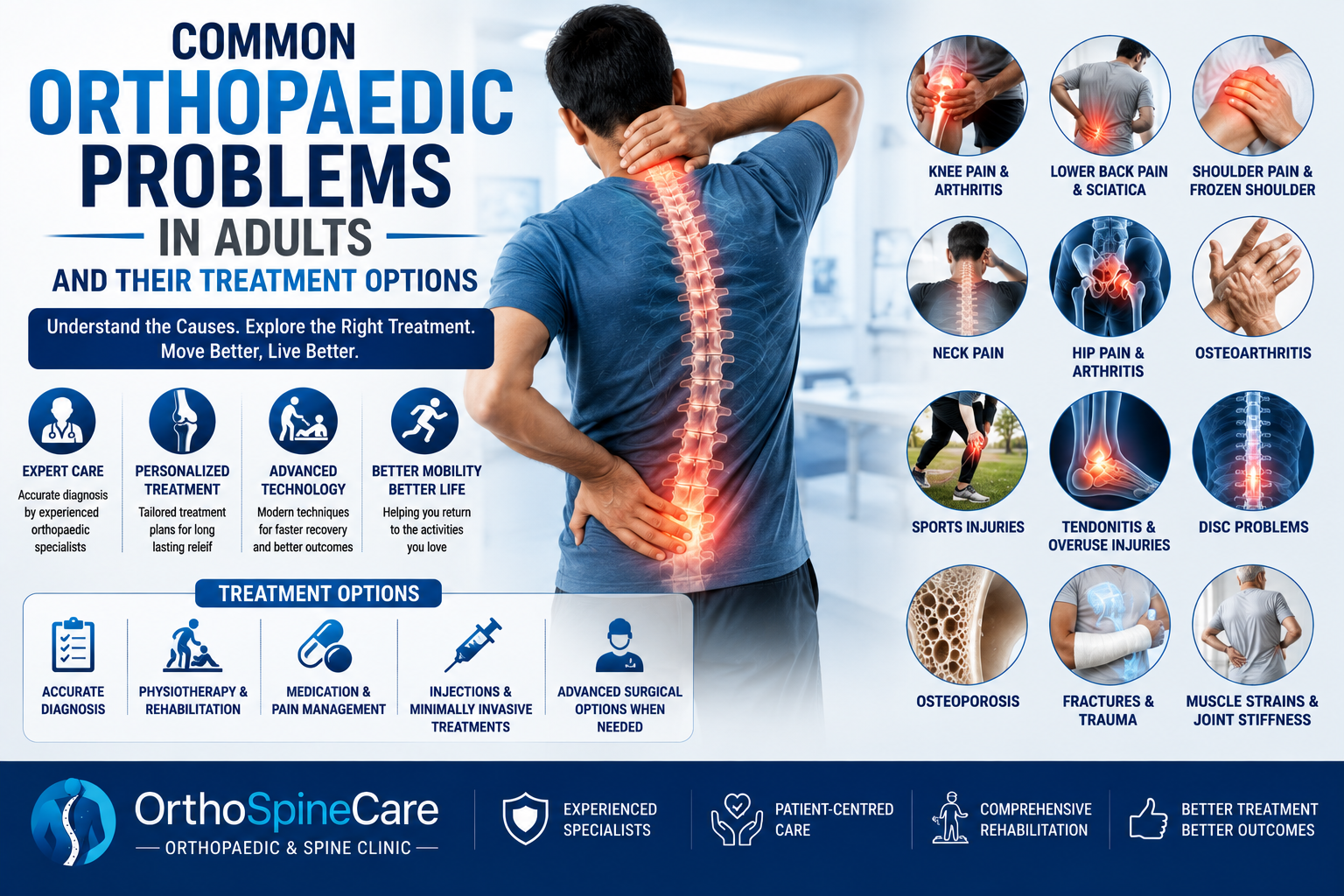
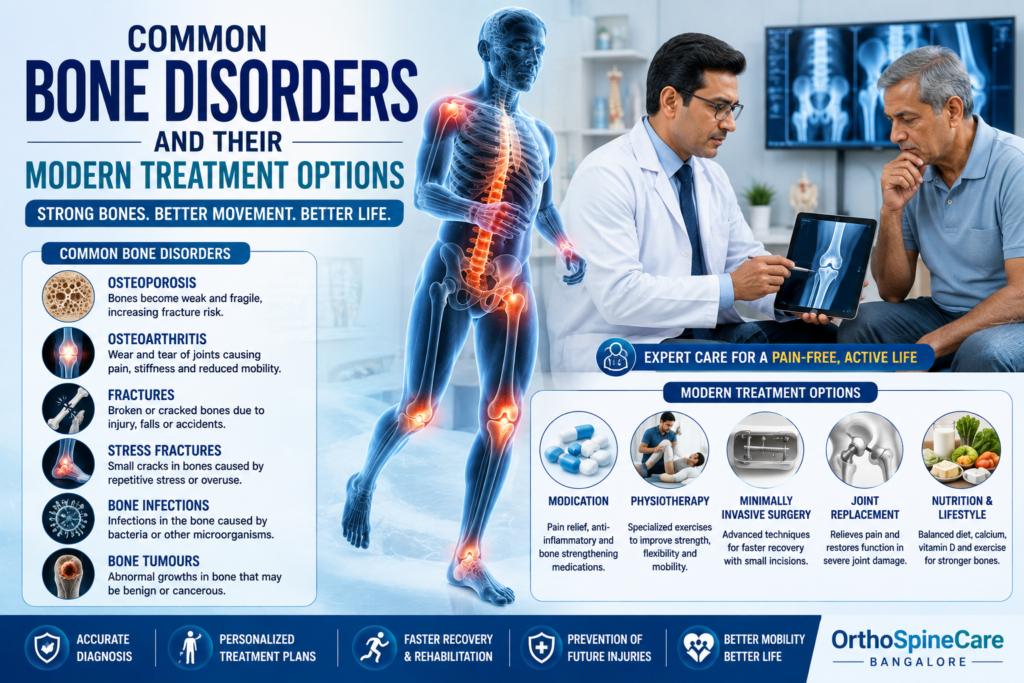
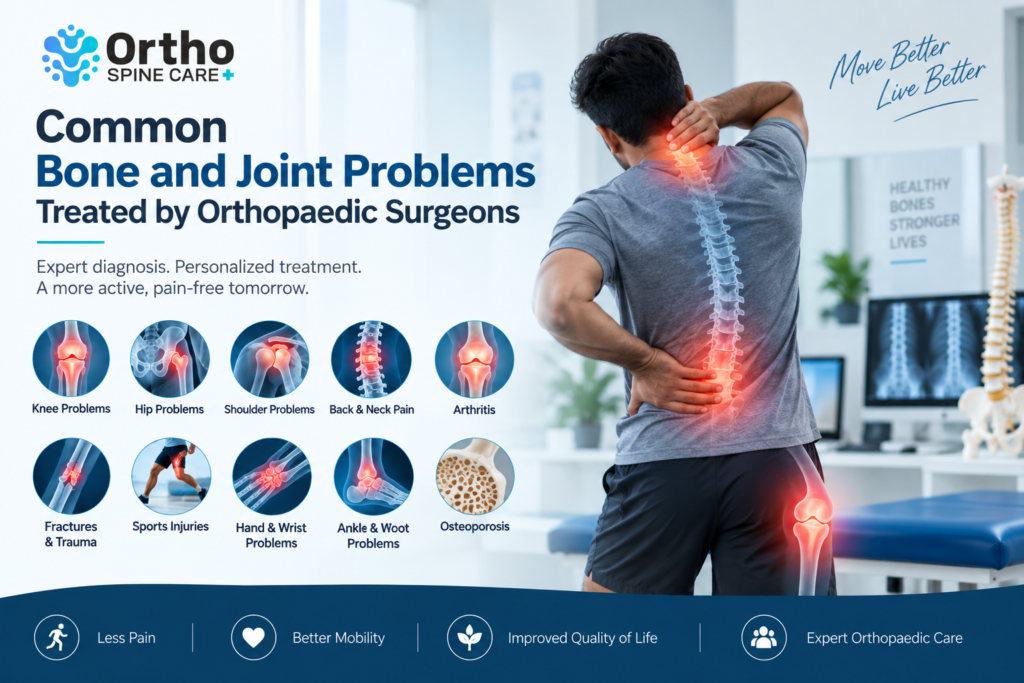
Common Bone and Joint Problems Treated by Orthopaedic Surgeons Bone and joint problems can affect anyone. A young athlete may develop a ligament injury during a game, an office worker may struggle with persistent neck or shoulder pain, while an older adult may experience knee pain because of joint degeneration. Sometimes the discomfort is temporary and improves with rest. However, when pain continues, movement becomes difficult, or an injury affects your everyday activities, it may be time to consult an orthopaedic specialist. Orthopaedic surgeons diagnose and treat conditions involving the bones, joints, muscles, ligaments, tendons, and spine. Depending on the condition, treatment may include medication, physiotherapy, rehabilitation, injections, lifestyle changes, or surgery. If you are looking for an orthopaedic surgeon in Bangalore, understanding some of the common conditions treated by these specialists can help you recognize when professional care may be appropriate. What Does an Orthopaedic Surgeon Treat? Orthopaedic surgeons deal with a wide range of musculoskeletal problems. These can result from injuries, ageing, overuse, sports activities, posture, joint degeneration, or other underlying conditions. Some common problems include: The treatment depends on the individual’s symptoms and diagnosis. Surgery is only one part of orthopaedic care; many conditions can be managed with non-surgical approaches. OrthoSpineCare’s services include fracture management, spine care, bone and joint treatment, sports injury management, pain management, physiotherapy and rehabilitation, and specialized treatments. 1. Arthritis and Joint Pain Arthritis is one of the common causes of joint pain and stiffness. It can affect different parts of the body, including the knees, hips, shoulders, hands, and other joints. People with joint problems may notice: Joint pain can have different causes, so getting the right diagnosis is important. Treatment may involve medication, physiotherapy, activity modification, injections, joint-preservation approaches, or joint replacement in selected cases. 2. Knee Problems Your knees carry much of your body’s weight and are involved in almost every movement you make. Knee problems can develop because of sports injuries, overuse, arthritis, previous injuries, or age-related changes. Common symptoms include pain while walking, climbing stairs, squatting, exercising, or getting up from a chair. An orthopaedic surgeon can evaluate the knee and determine whether conservative treatment, rehabilitation, injections, or a surgical procedure may be appropriate. Not every knee problem requires surgery. The treatment should be based on the actual cause and severity of the problem. 3. Shoulder Problems Shoulder pain can make simple activities surprisingly difficult. Reaching overhead, lifting something, dressing, exercising, or even sleeping on one side may become uncomfortable. Shoulder problems can involve the joint, tendons, muscles, or surrounding soft tissues. Rotator cuff injuries are one example of a condition that may require orthopaedic assessment. Depending on the diagnosis, treatment may include rehabilitation, medication, injections, or surgery when necessary. 4. Hip Problems Hip pain can affect walking, standing, exercising, and everyday movement. Some people experience discomfort in the hip itself, while others may feel pain around the groin, thigh, or buttock. Hip problems can be related to injuries, arthritis, joint degeneration, or other musculoskeletal conditions. Early evaluation can help determine the source of the pain and identify suitable treatment options. 5. Back and Neck Pain Back and neck pain are particularly common among people who spend long hours sitting, driving, working at a computer, or maintaining poor posture. While occasional discomfort may improve, persistent or recurring pain deserves attention. Orthopaedic and spine specialists may manage conditions such as: Treatment may range from non-surgical care and rehabilitation to minimally invasive procedures or surgery, depending on the diagnosis. 6. Sciatica Sciatica refers to pain that follows the path of the sciatic nerve, commonly travelling from the lower back through the buttock and into the leg. Patients may describe the sensation as sharp, burning, shooting, or electric-like. Numbness or tingling can also occur. Sciatica can have different underlying causes. A specialist assessment can help determine what is contributing to the symptoms and whether further investigation or treatment is needed. 7. Slipped Disc The discs between the vertebrae help cushion and support the spine. Sometimes, a disc can bulge or become damaged and irritate a nearby nerve. A slipped disc may cause: Treatment depends on the individual’s symptoms and the underlying condition. Some patients may improve with non-surgical treatment, while others may require further specialist intervention. 8. Fractures and Trauma A fracture can occur after a fall, accident, sports injury, or other trauma. Some fractures are obvious, while others may initially appear to be a simple injury. Significant pain, swelling, deformity, or difficulty using the affected body part should be evaluated promptly. Orthopaedic fracture care may include: The appropriate treatment depends on the location and nature of the fracture. 9. Sports Injuries Sports and fitness activities are excellent for maintaining an active lifestyle, but injuries can happen. Running, cycling, cricket, football, badminton, gym workouts, and other activities can place stress on the muscles, joints, tendons, and ligaments. Common sports-related problems include: Ignoring an injury and returning to activity too quickly may delay recovery. A proper assessment can help determine the extent of the injury and guide rehabilitation. 10. Ligament and Tendon Problems Ligaments connect bones to one another, while tendons connect muscles to bones. Both can become injured through sports, accidents, repetitive activity, or overuse. Depending on the injury, patients may experience pain, swelling, weakness, instability, or difficulty moving the affected area. Treatment varies according to the severity of the injury. Rehabilitation can be an important part of recovery, while some significant injuries may require surgical intervention. 11. Osteoporosis and Bone Health Bone health becomes increasingly important as we age. Osteoporosis can reduce bone strength and increase the risk of fractures. This is particularly concerning in older adults because a fracture can significantly affect mobility and independence. Orthopaedic care may include bone health assessment, osteoporosis screening guidance, treatment planning, and strategies to reduce the risk of falls and fractures. Maintaining adequate physical activity and following appropriate medical advice can also support overall musculoskeletal health. 12. Orthopaedic Problems in Children Children have developing bones and joints, so their orthopaedic needs can