Author name: thewebsitemakers

Why Leg Pain Could Be Coming From Your Spine
Orthospine Doctor

Why Leg Pain Could Be Coming From Your Spine

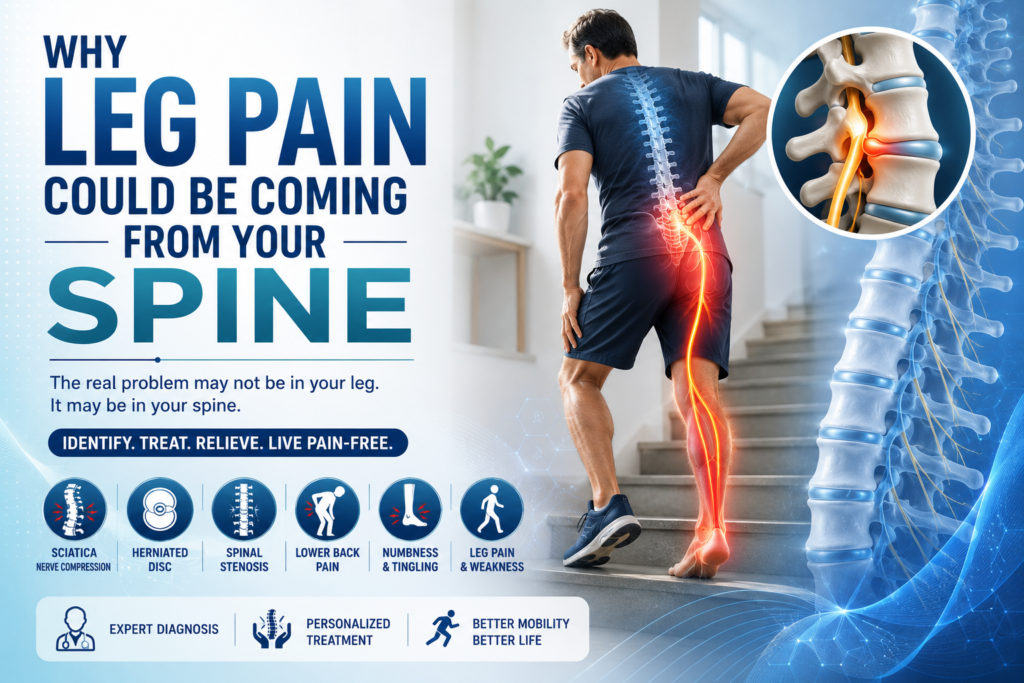
Why Leg Pain Could Be Coming From Your Spine Leg pain is often associated with muscle strain, overuse, or injuries. However, what many people don’t realize is that the source of the pain may not be in the leg at all. In many cases, persistent leg pain actually begins in the spine. Problems affecting the lower back can irritate or compress spinal nerves, causing pain that travels down the hips, thighs, calves, or even into the feet. Understanding the connection between your spine and leg pain is essential because treating only the symptoms in the leg may not solve the underlying problem. Early diagnosis and appropriate treatment can help relieve pain, restore mobility, and prevent long-term complications. At OrthoSpineCare in Bangalore, experienced orthopedic and spine specialists diagnose the root cause of leg pain and provide personalized treatment plans to help patients return to an active, pain-free lifestyle. How Is Your Spine Connected to Your Legs? Your spinal cord sends nerve signals from your brain to every part of your body. In the lower back (lumbar spine), several nerves branch out and travel through the hips, buttocks, legs, and feet. If one of these nerves becomes compressed or irritated, you may experience pain, numbness, tingling, or weakness in your leg—even though the actual problem originates in your spine. This type of pain is known as referred pain or radicular pain, depending on the underlying condition. Common Spine Conditions That Cause Leg Pain Several spinal disorders can lead to pain that radiates into the legs. Sciatica Sciatica is one of the most common causes of leg pain originating from the spine. It occurs when the sciatic nerve becomes compressed, usually due to a herniated disc or spinal narrowing. Symptoms include: Herniated (Slipped) Disc A spinal disc acts as a cushion between the vertebrae. When a disc bulges or ruptures, it may press against nearby nerves. Depending on which nerve is affected, pain can travel into the thigh, calf, or foot. Spinal Stenosis Spinal stenosis is the narrowing of the spinal canal, which places pressure on the spinal nerves. People with spinal stenosis often experience: Degenerative Disc Disease As spinal discs naturally wear down with age, they lose flexibility and cushioning. This can increase pressure on spinal nerves, causing recurring lower back and leg pain. Spondylolisthesis This condition occurs when one vertebra slips forward over another. The displaced bone can compress nearby nerves, leading to leg pain, weakness, and numbness. Symptoms That Suggest Your Leg Pain Is Coming From the Spine Not every leg pain originates from the spine. However, certain symptoms strongly suggest a spinal cause. These include: If you experience several of these symptoms together, it’s important to consult a spine specialist. Risk Factors for Spine-Related Leg Pain Several factors increase the likelihood of developing spine-related nerve pain. Common risk factors include: Making healthy lifestyle changes can reduce your risk of developing these conditions. When Should You See a Spine Specialist? You should seek medical attention if: Early treatment often leads to faster recovery and better outcomes. How Spine Specialists Diagnose the Cause At OrthoSpineCare, specialists perform a detailed evaluation to determine whether your leg pain originates from the spine. Diagnosis may include: These investigations help identify nerve compression and other spinal abnormalities accurately. Non-Surgical Treatment Options The good news is that many patients recover without surgery. Physiotherapy Physiotherapy strengthens the muscles supporting the spine, improves flexibility, and reduces pressure on affected nerves. Customized exercise programs also help prevent future episodes of pain. Pain Management Depending on the diagnosis, doctors may recommend medications to reduce inflammation and control pain. Image-Guided Spine Injections For persistent symptoms, image-guided injections around the affected nerve may provide significant pain relief while supporting rehabilitation. Lifestyle Modifications Simple changes often make a big difference. Your doctor may recommend: These habits reduce stress on your spine and support long-term recovery. PRP Therapy For selected musculoskeletal conditions, Platelet-Rich Plasma (PRP) Therapy may be considered to promote healing as part of a personalized treatment plan. When Is Surgery Needed? Surgery is usually recommended only when: Modern minimally invasive spine surgery often allows faster recovery with smaller incisions and less postoperative discomfort. Tips to Prevent Spine-Related Leg Pain Healthy daily habits can help protect both your spine and your nerves. These simple habits help reduce pressure on your spinal nerves and improve overall spine health. Why Choose OrthoSpineCare in Bangalore? At OrthoSpineCare, every patient receives personalized care based on their symptoms, lifestyle, and medical condition. The clinic offers: The focus is always on identifying the root cause of pain and providing long-term relief rather than simply treating symptoms. Conclusion Leg pain isn’t always caused by a problem in the leg itself. In many cases, the real cause lies in the spine, where compressed or irritated nerves send pain signals down the leg. Recognizing the warning signs early and seeking expert evaluation can prevent complications and improve recovery. If you’re experiencing persistent leg pain, numbness, tingling, or lower back discomfort, consult the experienced spine specialists at OrthoSpineCare in Bangalore. With advanced diagnostic facilities, personalized treatment plans, and comprehensive rehabilitation, you can find lasting relief and get back to doing the activities you enjoy.

Can Sciatica Heal Without Surgery? Everything You Need to Know
Orthospine Doctor

Can Sciatica Heal Without Surgery? Everything You Need to Know

Can Sciatica Heal Without Surgery? Everything You Need to Know Sciatica is one of the most common causes of lower back and leg pain. The sharp, radiating pain can make simple activities like walking, sitting, or even sleeping uncomfortable. Hearing the word “sciatica” often makes people worry that they might need surgery. Fortunately, that’s not usually the case. The majority of people with sciatica recover successfully through non-surgical treatments. With early diagnosis, the right treatment plan, and a few lifestyle changes, many patients experience significant pain relief and return to their normal routine without undergoing an operation. If you’re struggling with sciatica, OrthoSpineCare in Bangalore provides expert diagnosis, advanced non-surgical treatments, and personalized rehabilitation programs to help you recover safely and effectively. What Is Sciatica? Sciatica is not a disease but a symptom caused by irritation or compression of the sciatic nerve, the largest nerve in the body. This nerve begins in the lower back, passes through the hips and buttocks, and extends down each leg. When the sciatic nerve is compressed, it can cause pain, numbness, tingling, or weakness that usually affects one side of the body. What Causes Sciatica? Several spine conditions can lead to sciatica. Herniated Disc A slipped or herniated disc is the most common cause of sciatica. The damaged disc presses on the sciatic nerve, causing pain that travels down the leg. Degenerative Disc Disease As spinal discs naturally wear down with age, they may lose their cushioning ability and place pressure on nearby nerves. Spinal Stenosis Narrowing of the spinal canal can compress the nerves in the lower back, leading to sciatica symptoms. Bone Spurs Arthritis can cause bone spurs that reduce the space around spinal nerves and trigger nerve irritation. Piriformis Syndrome In some people, the piriformis muscle in the buttock can irritate the sciatic nerve, resulting in pain similar to sciatica. Common Symptoms of Sciatica Symptoms vary depending on the severity of nerve compression. Common signs include: The symptoms may develop gradually or appear suddenly after lifting something heavy or making an awkward movement. Can Sciatica Heal Without Surgery? Yes. In many cases, sciatica improves without surgery. Most patients respond well to conservative treatment, especially when care begins early. The body can often reduce inflammation around the affected nerve over time. With proper medical guidance, the compressed nerve can recover, and symptoms may gradually improve. Recovery time varies depending on the cause and severity of the condition, but many people notice significant improvement within a few weeks to a few months. Non-Surgical Treatments for Sciatica Physiotherapy Physiotherapy is one of the most effective treatments for sciatica. A personalized exercise program can: Regular physiotherapy also improves mobility and speeds up recovery. Medications Doctors may prescribe medications to reduce pain and inflammation during the recovery process. Depending on your symptoms, treatment may include: Medication works best when combined with exercise and rehabilitation. Image-Guided Spine Injections For patients with persistent pain, image-guided spinal injections may reduce inflammation around the affected nerve. Common procedures include: These treatments can provide significant pain relief while allowing rehabilitation to continue. Lifestyle Modifications Simple lifestyle changes can reduce stress on your spine and help prevent recurring sciatica. Doctors often recommend: These changes support long-term spine health. PRP Therapy For selected musculoskeletal conditions associated with chronic pain, Platelet-Rich Plasma (PRP) Therapy may be considered as part of a comprehensive treatment plan. Your spine specialist will determine whether this option is suitable for your condition. Exercises That May Help Sciatica Recovery Gentle movement often supports recovery better than complete bed rest. Your physiotherapist may recommend: Exercises should always be performed under professional guidance to avoid worsening symptoms. When Is Surgery Needed? Although most patients recover without surgery, some situations require surgical treatment. Surgery may be recommended if: Modern minimally invasive spine surgery offers faster recovery and excellent outcomes for patients who require surgical intervention. How Long Does Recovery Take? Recovery depends on several factors, including the underlying cause, severity of nerve compression, and commitment to treatment. Many patients improve within 4 to 8 weeks, while others with more complex conditions may require several months of rehabilitation. Following your treatment plan consistently plays a major role in achieving the best results. Tips to Prevent Sciatica from Returning Preventing future episodes is just as important as treating the current one. Healthy habits include: These simple steps reduce pressure on the spine and support overall spinal health. Why Choose OrthoSpineCare in Bangalore? At OrthoSpineCare, every patient receives a personalized treatment plan based on their specific condition and lifestyle. Patients choose the clinic because of its: The goal is always to relieve pain, restore mobility, and help patients return to their daily lives with confidence. Conclusion A diagnosis of sciatica does not automatically mean you need surgery. In fact, most people recover successfully through physiotherapy, medication, lifestyle changes, and other non-surgical treatments. The key is to seek medical advice early before the condition becomes more severe. If you’re experiencing persistent lower back pain, leg pain, or numbness, consult the experienced spine specialists at OrthoSpineCare in Bangalore. With accurate diagnosis, evidence-based treatment, and comprehensive rehabilitation, you can find lasting relief and get back to living an active, pain-free life.

Early Symptoms of Sciatica Pain
Orthospine Doctor

Sciatica Pain: Early Symptoms You Should Never Ignore

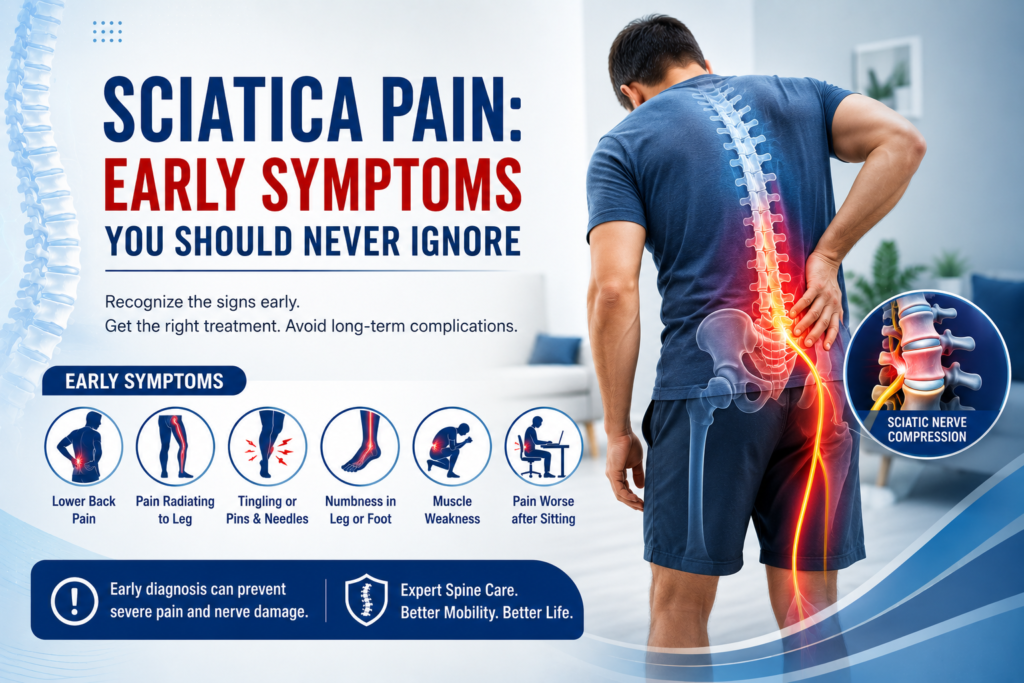
Sciatica Pain: Early Symptoms You Should Never Ignore Sciatica is one of the common reasons people get leg pain but a lot of people think it is just regular back pain or a pulled muscle. Actually sciatica happens when the sciatic nerve, which is the nerve in our body gets irritated or squeezed. This can cause pain that starts in the back and goes down through the buttock, thigh and leg. It is really important to know the symptoms of sciatica because if you get treated right away you can stop the problem from getting worse and prevent long-term nerve damage. Luckily a lot of people get better with treatment that does not involve surgery long as they get diagnosed early. If you have leg pain or lower back discomfort that will not go away OrthoSpineCare in Bangalore has experts who can diagnose your problem and create a treatment plan that’s just for you to help you get back to your normal life without pain. What Is Sciatica? Sciatica is not a disease it is a symptom of a problem that affects the sciatic nerve. The sciatic nerve starts in the spine and goes down through the hips, buttocks and down each leg. When this nerve gets squeezed or inflamed it can cause pain, numbness, tingling and weakness in the areas it touches. Usually sciatica only affects one side of the body. In bad cases it can affect both legs. Common Causes of Sciatica There are spine problems that can cause sciatica. Herniated or Slipped Disc A herniated disc is the common reason for sciatica. When a spinal disc bulges or breaks it can push on the nerve and cause pain. Spinal Stenosis Spinal stenosis happens when the spinal canal gets narrower which puts pressure on the nerves. This problem is more common in people and can cause chronic leg pain and numbness. Degenerative Disc Disease As spinal discs get older they can lose their ability to cushion which increases the chance of nerve compression. Bone Spurs Bone spurs from arthritis can make the spaces around nerves smaller which can irritate the sciatic nerve. Muscle Tightness Sometimes muscles, especially the piriformis muscle in the buttock can squeeze the sciatic nerve and cause symptoms. Symptoms of Sciatica You Should Never Ignore If you know what sciatica is early on you can get treated faster and feel better sooner. Pain That Travels Down One Leg Unlike back pain sciatica often causes pain that starts in the lower back or buttock and goes down the back of the thigh and into the calf or foot. This kind of pain is one of the signs of sciatica. Tingling or “Pins and Needles” A lot of people notice a tingling feeling in their leg or foot before the pain gets really bad. This usually means the sciatic nerve is irritated. Numbness in the Leg or Foot If the nerve is squeezed you might lose feeling in one leg or foot. If you have numbness that will not go away you should see a specialist. Burning or Sharp Pain Sciatica pain can feel like it is burning, shooting or like a shock, rather than a dull ache. The pain can get worse when you sit, cough or sneeze. Muscle Weakness If you have trouble lifting your foot climbing stairs or walking normally it might mean the nerve is not working right. If you have muscle weakness you should see a doctor away. Lower Back Pain Even though leg pain is usually more noticeable a lot of people also have back discomfort. The amount of pain varies from person to person. Pain That Worsens After Sitting If you sit for a time it can put more pressure on your lower spine, which can make sciatica symptoms worse. A lot of people who work at desks notice their pain gets worse after sitting for a time. Risk Factors for Sciatica There are some lifestyle and health things that can increase your chance of getting sciatica. These include: If you make lifestyle changes you can lower your risk. When Should You See a Spine Specialist? You should see a doctor if: If you get treated early you can prevent long-term nerve damage and feel better faster. When Is Sciatica a Medical Emergency? Even though most cases are not emergencies you should get help right away if you have: These symptoms might mean you have Cauda Equina Syndrome, which needs to be treated away. How Is Sciatica Diagnosed? At OrthoSpineCare the specialists will do a check to figure out what is causing your symptoms. The diagnosis might include: If the diagnosis is accurate the doctors can decide on the treatment. Non-Surgical Treatment Options Most people get better without surgery. Treatment might include: A rehabilitation program can help strengthen your muscles improve your flexibility and reduce pressure on the nerve. Medicine can help with pain and inflammation while you heal. Improving your posture staying at a weight being active and not sitting for too long can all help you get better. If your symptoms persist, injections around the affected nerve can reduce inflammation. Help with pain. For some patients treatments like Platelet-Rich Plasma Therapy might help certain musculoskeletal problems heal. When Is Surgery Needed? Surgery is only considered when: spine surgery is less invasive and can help patients recover faster and have better outcomes. Why Choose OrthoSpineCare in Bangalore? Patients trust OrthoSpineCare because they take care of everything related to health. The clinic offers: The team works closely with each patient to relieve pain help them move better and improve their quality of life. Tips to Prevent Sciatica There are some habits that can help lower your chance of getting sciatica. Healthy habits can help keep your spine and sciatic nerve Sciatica often starts with symptoms like tingling, leg pain or lower back discomfort but if you ignore these signs it can lead to more serious nerve problems. If you know what sciatica is on and get treated you can

Right Spine Specialist in Bangalore
Orthospine Doctor

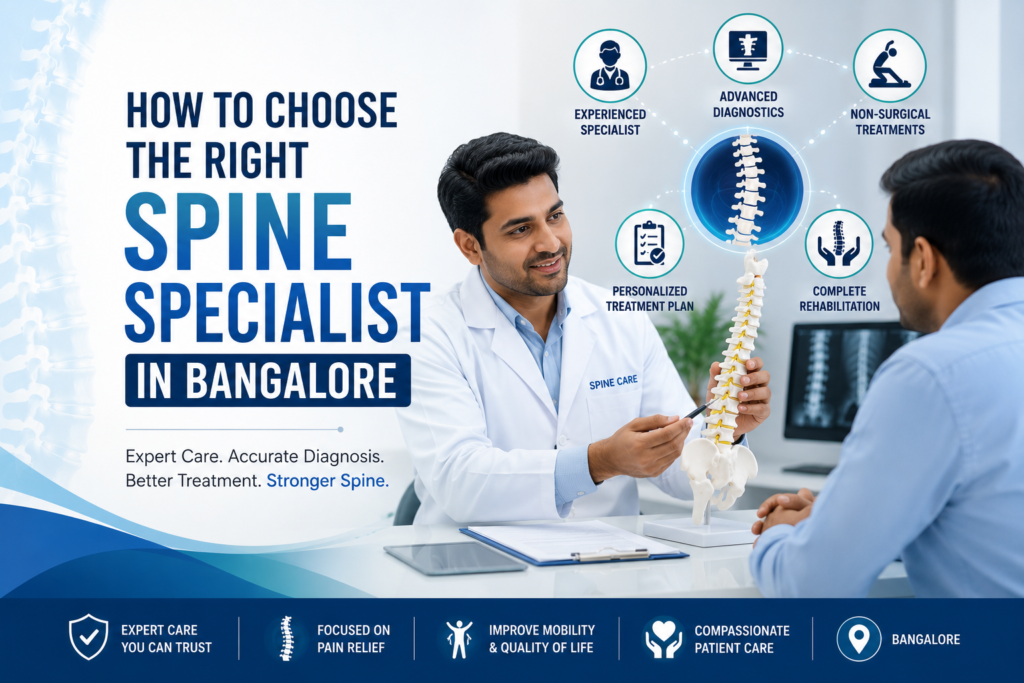
How to Choose the Right Spine Specialist in Bangalore

How to Choose the Right Spine Specialist in Bangalore Back and neck pain can really affect your life. It can make it hard to work drive and even spend time with your family. Sometimes rest can help with the pain. If it keeps coming back you might need to see a doctor. Choosing the right spine specialist is a decision for your health. There are hospitals and clinics in Bangalore that offer spine care so it can be hard to pick the right one. This guide will help you figure out what to look for in a specialist. That way you can make a decision and get the best care. At OrthoSpineCare patients get to see doctors use advanced equipment to diagnose problems and get personalized treatment plans. These plans are designed to help patients move around easily again and improve their quality of life. Why Choosing the Right Spine Specialist Matters The spine is made up of different parts, including bones, discs, nerves, muscles and ligaments. If one part gets hurt it can affect how you move, your balance and how your nerves work. A good spine specialist can figure out what is causing your pain. Suggest the best treatment. If you get help early you might not need surgery. You will also get treatment that’s just right for you, not a one-size-fits-all approach. When Should You See a Spine Specialist? Some people wait long to see a doctor about their back or neck pain.. It is better to get help early. You should see a specialist if you have: *. Tingling If your symptoms are getting in the way of your work, sleep or daily life it is time to see a doctor. What to Look for in a Spine Specialist Experience and Expertise It is really important to choose a doctor who has experience with problems. A specialist who has seen patients with spine issues will be better at diagnosing and treating them. Look for a doctor who has experience with: A good specialist can offer different treatment options, including surgery if needed. Comprehensive Diagnostic Facilities To get the treatment you need an accurate diagnosis. A good spine clinic should have equipment like: These tests can help figure out what is causing your symptoms. Focus on Non-Surgical Treatment Surgery is not always the answer. A good spine specialist will try -surgical treatments first. These can include: Many patients get better without surgery if they get help early. Personalized Treatment Plans Every patient is different. The best spine specialists take the time to understand your symptoms, medical history and lifestyle. Then they can create a treatment plan. This kind of plan usually works better. Helps patients recover faster. Strong Rehabilitation Support Recovering from problems does not stop when the pain is gone. Physiotherapy and rehabilitation are important for getting strong and preventing future injuries. Choose a clinic that offers rehabilitation programs as part of your treatment. Clear Communication A good spine specialist should explain: When you understand your condition you can make good decisions about your health. Questions to Ask During Your First Consultation It is an idea to prepare questions before your appointment. You might ask: When you talk openly with your doctor you can trust them more. Get better care. Why Early Treatment Is Important If you wait long to get treatment small spine problems can become big ones. Getting help can: The sooner you see a doctor, the better your chances of getting better. Common Spine Conditions Treated by Specialists specialists can diagnose and treat many different conditions, including: Each condition needs a treatment plan based on how bad it is and your overall health. Why Choose OrthoSpineCare in Bangalore? When you are looking for a specialist choose a clinic that puts patients first. OrthoSpineCare is committed to giving patients the spine care using advanced diagnostics and proven treatments. Patients choose OrthoSpineCare because of its: The team at OrthoSpineCare focuses on finding the cause of your pain and helping you get lasting relief. Tips to Maintain a Healthy Spine after treatment it is important to take care of your spine. You should: These habits can help prevent future spine problems and keep you healthy. Choosing the right spine specialist is a step in getting better from back or neck pain. Look for experience, advanced equipment, personalized care and a focus on -surgical treatment. If you are looking for a specialist in Bangalore OrthoSpineCare offers comprehensive evaluation, advanced treatment options and compassionate care. Whether you have chronic back pain, sciatica, neck pain or a sports injury the experienced team, at OrthoSpineCare can help you move comfortably and live without pain.

Non-Surgical Treatments for Chronic Back Pain in Bangalore
Orthospine Doctor

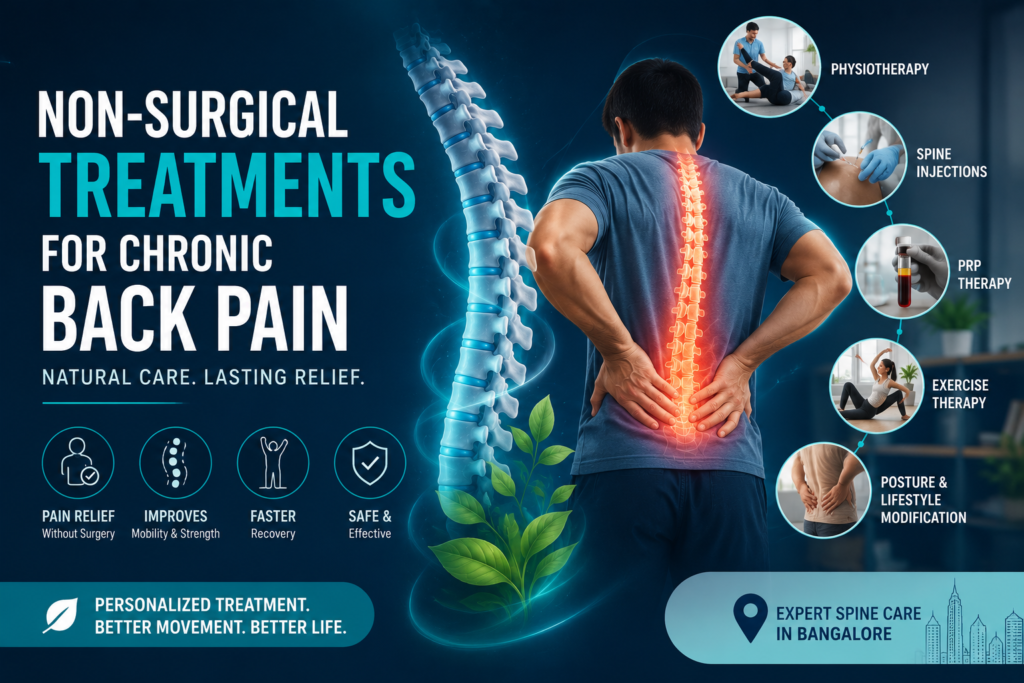
Best Non-Surgical Treatments for Chronic Back Pain in Bangalore

Best Non-Surgical Treatments for Chronic Back Pain in Bangalore Living with back pain can be really tough. It can make everyday things feel like a challenge. Whether you are sitting at your desk, driving, climbing stairs or trying to get a nights sleep chronic back pain can affect every part of your life. The good news is that not everyone with chronic back pain needs to have surgery. Thanks to developments in orthopedic and spine care many conditions can now be treated without surgery. If you are looking for the non-surgical treatments for chronic back pain in Bangalore OrthoSpineCare is a good option. They offer an evaluation, advanced pain management, physiotherapy and personalized treatment plans to help you regain mobility and live without pain. What is chronic back pain? Chronic back pain is when your back hurts for a time. 12 Weeks or more. This is different from temporary muscle soreness. Chronic back pain often means that there is something with your spine, joints, discs, muscles or nerves. If you ignore chronic back pain it can get worse. You may not be able to move as well and your quality of life can suffer. It is really important to get diagnosed so you can get treated successfully. There are things that can cause chronic back pain. These include: If the spine specialists know what is causing your back pain they can recommend the best treatment for you. Can chronic back pain be treated without surgery? Yes it can. Most people with back pain get better with conservative treatment. Surgery is usually only considered if other treatments do not work or if there is nerve compression, spinal instability or significant neurological weakness. Many people get results with a combination of therapies that are tailored to their condition. Best non-surgical treatments for chronic back pain Every successful treatment starts with a diagnosis. At OrthoSpineCare spine specialists do: This helps them figure out what is causing your pain and create a personalized treatment plan. Physiotherapy is one of the treatments for chronic back pain. A customized rehabilitation program focuses on: Regular physiotherapy can reduce pain naturally and improve your long-term spine health. Pain management aims to reduce discomfort while letting you stay active during recovery. Treatment may include: Medication is usually used with physiotherapy not as a long-term solution. For people with inflammation or nerve pain image-guided injections can provide significant relief. Common procedures include: These treatments reduce inflammation around affected nerves. Improve mobility. PRP therapy uses your platelets to support natural healing in damaged soft tissues and selected musculoskeletal conditions. For some patients PRP may: Your specialist will decide if PRP is suitable for you based on your diagnosis. Simple lifestyle changes can really improve back pain. Doctors often recommend: These habits reduce stress on your spine and help prevent recurring pain. Poor posture is a contributor to chronic back pain especially among office workers. Correct posture while sitting, standing and lifting can reduce strain on spinal discs and muscles. Making adjustments to your workstation is also important. Targeted exercise improves health and reduces pain. Low-impact activities include: Exercise programs should always be designed according to your condition. Simple home treatments can often help manage symptoms. Ice packs reduce swelling during flare-ups. Heat therapy relaxes muscles. Improves blood circulation. Your doctor can advise when each treatment is most appropriate. Benefits of -surgical spine treatment Choosing conservative treatment has several advantages. These include: Many people achieve lasting relief without having surgery. When is surgery necessary? Although non-surgical treatments are effective for people surgery may be recommended if you have: minimally invasive spine surgery offers excellent outcomes when surgery is necessary. Why choose OrthoSpineCare in Bangalore? At OrthoSpineCare treatment begins with understanding each patients condition and lifestyle. Patients trust the clinic because of its: The goal is always to relieve pain improve movement and help patients avoid surgery whenever possible. Tips to keep your healthy Healthy daily habits can help prevent chronic back pain. Consistency is the key to maintaining a spine. Chronic back pain does not always mean you need surgery. In fact many people recover successfully through physiotherapy, pain management, posture correction, exercise and advanced non-surgical treatments. The earlier you seek expert care the your chances of avoiding surgery and returning to your normal routine. If you are looking for the non-surgical treatment for chronic back pain, in Bangalore OrthoSpineCare offers comprehensive spine care with advanced diagnostics, personalized treatment plans and compassionate support. With the approach lasting pain relief is possible helping you enjoy a healthier more active life.

Back Pain Become a Medical Emergency
Orthospine Doctor

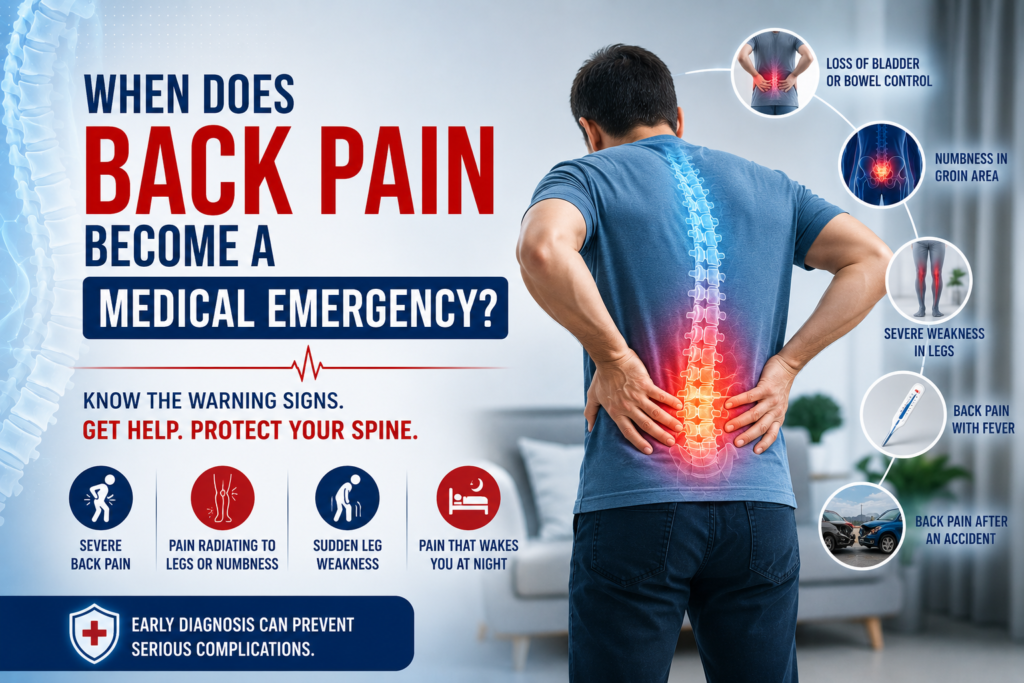
When Does Back Pain Become a Medical Emergency?

When Does Back Pain Become a Medical Emergency? Back pain is one of the most common health problems worldwide. In many cases, it improves with rest, proper posture, and simple treatments. However, not all back pain is harmless. Sometimes, it can be a warning sign of a serious spinal condition that requires immediate medical attention. Knowing when back pain becomes a medical emergency can help prevent permanent nerve damage, disability, or other life-threatening complications. If you or a loved one experience severe or unusual symptoms along with back pain, seeking emergency medical care without delay is essential. At OrthoSpineCare in Bangalore, experienced orthopedic and spine specialists diagnose and treat both routine and emergency spine conditions, ensuring patients receive timely and effective care. Is All Back Pain an Emergency? The simple answer is no. Most cases of back pain result from muscle strain, poor posture, or minor injuries and improve within a few days or weeks. However, certain symptoms indicate that the pain may be caused by a serious problem affecting the spinal cord, nerves, bones, or internal organs. These situations require immediate medical evaluation. Warning Signs That Require Emergency Medical Care If your back pain is accompanied by any of the following symptoms, seek emergency medical attention immediately. 1. Loss of Bladder or Bowel Control Sudden inability to control urination or bowel movements, along with severe back pain, could indicate Cauda Equina Syndrome, a rare but serious condition caused by severe compression of the spinal nerves. Without immediate treatment, permanent nerve damage may occur. 2. Numbness Around the Groin or Inner Thighs Loss of sensation in the buttocks, groin, or inner thighs—often called saddle numbness—is another warning sign of severe nerve compression. This symptom should never be ignored and requires urgent medical evaluation. 3. Severe Weakness in the Legs If you suddenly find it difficult to walk, stand, or move one or both legs, your spinal nerves or spinal cord may be affected. Immediate treatment can help prevent long-term disability. 4. Back Pain After a Serious Accident Back pain following: may indicate fractures, spinal instability, or ligament injuries. Even if the pain seems manageable, you should seek medical attention immediately. 5. Sudden, Severe Back Pain With Fever Back pain accompanied by fever, chills, or unexplained fatigue may indicate a spinal infection. Prompt diagnosis and treatment are essential to prevent serious complications. 6. Back Pain With Unexplained Weight Loss Persistent back pain along with unexplained weight loss, loss of appetite, or night sweats may indicate an underlying medical condition such as infection or, in rare cases, cancer. Early evaluation is important for proper diagnosis. 7. Pain That Wakes You Every Night Muscle-related back pain usually improves with rest. Pain that consistently wakes you from sleep or becomes worse at night deserves prompt medical attention. 8. Pain Spreading to Both Legs Pain radiating down one leg often indicates sciatica. However, pain affecting both legs, especially with weakness or numbness, may suggest significant spinal nerve compression. Early treatment helps prevent permanent nerve damage. 9. Progressive Numbness or Tingling Occasional tingling may not always be serious, but numbness that gradually worsens or spreads should be evaluated by a spine specialist immediately. It may indicate ongoing nerve damage. 10. Severe Back Pain That Doesn’t Improve Pain that remains severe despite medication, rest, or home treatment should never be ignored. Persistent pain may indicate a more serious spine condition requiring specialized care. Common Spine Conditions That Can Become Emergencies Several spinal disorders require urgent medical treatment if symptoms become severe. These include: Cauda Equina Syndrome A medical emergency caused by compression of the nerves at the base of the spinal cord. Symptoms include: Immediate surgery is often necessary. Spinal Fractures Fractures may occur after trauma or because of osteoporosis. Without treatment, spinal instability can lead to nerve injury. Severe Herniated Disc A large disc herniation may compress spinal nerves or the spinal cord, causing severe pain, numbness, and muscle weakness. Spinal Infections Although uncommon, infections affecting the spine require urgent diagnosis and antibiotic treatment. Spinal Tumors Some tumors can compress nerves and cause persistent pain, weakness, and neurological symptoms. Early diagnosis improves treatment outcomes. When Should You Schedule a Spine Consultation Instead of Visiting the Emergency Room? Not every case of back pain requires emergency care. Book an appointment with a spine specialist if you experience: These symptoms still require evaluation but are usually not emergencies. How Spine Specialists Diagnose Serious Back Pain At OrthoSpineCare, specialists perform a detailed evaluation to determine the cause of your symptoms. Diagnosis may include: Accurate diagnosis helps guide the most effective treatment. Treatment Options for Serious Spine Conditions Treatment depends on the underlying diagnosis and severity of the condition. Emergency Treatment Patients with severe nerve compression, fractures, or spinal instability may require immediate hospitalization or surgery. Non-Surgical Treatment Many spine problems can be managed through: Minimally Invasive Spine Procedures Advanced minimally invasive techniques often reduce recovery time while effectively treating certain spinal conditions. Rehabilitation After treatment, rehabilitation helps restore strength, flexibility, and mobility while reducing the risk of future injuries. How to Reduce the Risk of Serious Spine Problems Healthy daily habits help protect your spine. Prevention is always better than delayed treatment. Why Choose OrthoSpineCare in Bangalore? When it comes to spine health, early diagnosis and expert treatment make a significant difference. Patients choose OrthoSpineCare because of its: The team is dedicated to helping patients recover safely and return to their daily lives with confidence. Conclusion Most back pain improves with conservative care, but certain symptoms should never be ignored. Severe pain accompanied by numbness, muscle weakness, loss of bladder or bowel control, fever, or pain after an accident may indicate a medical emergency that requires immediate attention. Recognizing these warning signs can help prevent serious complications and protect your long-term spine health. If you have persistent back pain or notice concerning symptoms, consult the experienced specialists at OrthoSpineCare in Bangalore. Whether your condition requires conservative treatment or urgent intervention, timely care can make all the difference in

Lifestyle Changes for a Healthy Spine
Orthospine Doctor

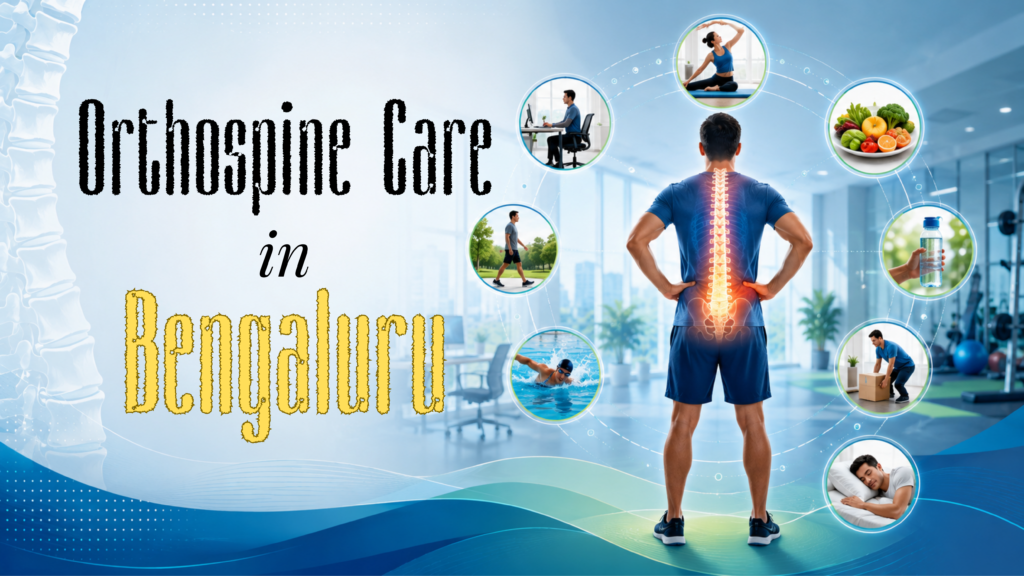
Top Lifestyle Changes That Keep Your Spine Healthy

Top Lifestyle Changes That Keep Your Spine Healthy Your spine is what helps your body move and keeps you standing up. It holds your weight keeps your cord safe and lets you do all the things you need to do every day.. Nowadays a lot of people sit for long periods have bad posture do not exercise enough and have unhealthy habits, which can cause problems with their spine. The good thing is that you can prevent a lot of problems by making some simple changes to your daily life. If you start doing things every day you can reduce the chance of getting back pain be more flexible and have a strong and healthy spine for a long time. If you have pain in your neck or back that will not go away OrthoSpineCare in Bangalore can help you figure out what is wrong and make a plan to make you feel better. They want to help you have a spine and a better life. Why The Way You Live Matters For Your Spine Your spine is always being used, whether you are sitting, standing, walking, lifting or sleeping. If you do not take care of yourself it can cause pain. Make it hard to move around. If you make some changes to your life you can: Making small changes every day can make a big difference over time. 1.. Stand Up Straight Having bad posture is one of the main reasons people get pain in their neck and back. When you sit or stand incorrectly it puts strain on your spine. To sit and stand up straight: Having posture helps your spine keep its natural curve and reduces unnecessary strain. Exercising regularly helps keep your spine flexible. Makes the muscles that support it stronger. Things you can do to help your spine include: Try to do something for at least 30 minutes most days of the week. The muscles in your stomach and back help support your spine. Exercises like planks, bridges and gentle core workouts can help improve your stability and reduce strain on your spinal discs. Having a core also helps you balance better and lowers the chance of getting hurt. A lot of people who work in offices sit for most of the day which can put strain on their lower back. To reduce the strain: Getting up and moving around can help your blood flow. Reduce stiffness in your muscles. Lifting things incorrectly is a way to hurt your back. Always remember to: Lifting things the way can help protect your muscles and spinal discs. Being overweight can put strain on your spine, especially your lower back. Keeping a weight can help: Exercising regularly and eating a balanced diet can help you have a healthy spine for a long time. Your bones and muscles need the foods to stay healthy. Eat foods that have: Eating a diet can help keep your bones, joints and spinal tissues healthy. Your spinal discs are mostly made up of water, which helps them absorb shock and stay flexible. Drinking water throughout the day can help keep your spinal discs healthy and your body working properly. Drinking water can also help your muscles work efficiently and reduce fatigue. The way you sleep can affect the alignment of your spine for hours every night. To sleep in a way that’s good for your spine: Sleeping in a way that’s good for your spine can help your muscles and spine recover from the strain of the day. Smoking can reduce blood flow to your tissues slow down healing and make your spinal discs degenerate faster. People who smoke are more likely to have chronic back pain and take longer to recover from spine injuries. Quitting smoking can help both your spine and your overall health. Stress can cause muscle tension in your neck, shoulders and upper back. You can manage stress by: Reducing stress can help relax your muscles and reduce pain. A lot of people keep working even when they have pain hoping it will go away on its own. If you have pain that lasts for than two weeks or keeps coming back you should see a spine specialist. Getting treatment early can help prevent problems from becoming big ones. Warning Signs That You Need To See A Doctor You should see a doctor if you have: Loss of control over your bladder or bowels (this is an emergency) Getting a diagnosis early can help you get treatment that works better. Why Choose OrthoSpineCare In Bangalore? At OrthoSpineCare experienced spine specialists can help you with pain, neck pain, sports injuries and spine problems. Patients can get: The goal is to help every patient have a healthy spine and be able to move around easily. Treatment Options For Spine Problems Depending on what’s wrong with your spine treatment may include: Physiotherapy Doing exercises that are tailored to your needs can help improve your strength, flexibility, posture and spinal stability. Pain Management Medications and spinal injections can help reduce inflammation and make you more comfortable. Lifestyle Modification Doctors can give you advice on how to improve your posture make your workplace more comfortable exercise and manage your weight. Minimally Invasive Spine Procedures When other treatments do not work invasive procedures can help relieve pain and promote faster recovery. Making choices can help protect your spine and prevent chronic back problems. Simple habits like sitting and standing up straight exercising regularly eating a diet drinking plenty of water and not sitting for too long can make a big difference in your spine health. If you already have neck pain do not wait for it to get worse. Getting a diagnosis and treatment early can make all the difference. OrthoSpineCare, in Bangalore can provide you with spine care, personalized treatment plans and comprehensive rehabilitation to help you have a healthy spine and live an active pain-free life.

Causes of Chronic Back Pain
Orthospine Doctor

What Causes Chronic Back Pain? Expert Advice from Spine Specialists

What Causes Chronic Back Pain? Expert Advice from Spine Specialists Back pain is something that most people will experience at some point in their life. While many people get better with rest or simple care at home back pain that lasts for weeks or months should not be ignored. Chronic back pain can affect your ability to work, exercise and sleep. It can also stop you from doing things you enjoy. Importantly chronic back pain may be a sign of a spinal problem that needs professional treatment. Understanding what causes back pain is the first step to finding relief. If you get a diagnosis and expert care on time you can recover without surgery. Start living an active life again. If you are looking for spine specialists in Bangalore, OrthoSpineCare provides complete evaluation and personalized treatment for chronic back pain and other spine problems. What is chronic back pain? Chronic back pain is when your back hurts for 12 weeks or more after the initial injury or cause has healed. The pain can be constant. Come and go, mild or severe and it can affect your lower back, upper back or neck. Chronic back pain is different from temporary muscle soreness. It often needs a medical evaluation to find and treat the underlying cause. There are things that can cause chronic back pain. Finding the cause helps spine specialists recommend the best treatment. One common cause is an slipped disc. The spinal discs act like cushions between the vertebrae. When a disc bulges or ruptures it can press on nerves causing pain, numbness or weakness. Many people with a disc also experience pain that goes down their legs or arms. Another cause is disc disease. As we get older spinal discs lose water and flexibility. This can reduce the discs ability to absorb shock leading to pain and stiffness. Although it is a part of aging symptoms can often be managed with early treatment. Sciatica is another cause of back pain. It happens when the sciatic nerve becomes compressed or irritated. Pain usually starts in the back and goes down the buttocks into one leg. If you do not get treatment sciatica can become a recurring problem that affects your mobility and daily activities. Spinal arthritis can also cause chronic back pain. Arthritis can affect the joints of the spine causing inflammation, stiffness and pain. Osteoarthritis is the common type, especially among older adults.. Inflammatory conditions like rheumatoid arthritis can also affect the spine. Poor posture is another thing that can cause chronic back pain. Many people spend hours sitting at desks working on computers or using smartphones. Poor posture puts stress on the spine, muscles and ligaments. Over time this can lead to neck and back pain. Muscle and ligament strain can also cause chronic pain. Repeated lifting, movements or overuse can strain the muscles and ligaments that support the spine. If these injuries do not heal properly they can lead to recurring pain and reduced mobility. Spinal stenosis is the narrowing of the spaces within the spine, which puts pressure on the cord or nerves. Common symptoms include pain, numbness, tingling and weakness in the legs. Osteoporosis can also cause chronic back pain. It weakens bones. Increases the risk of spinal fractures especially in older adults. These fractures can cause persistent back pain. There are things that can increase your risk of getting chronic back pain. These include getting older not exercising, posture being overweight smoking, lifting heavy things not exercising regularly previous back injuries and jobs that are physically demanding. If you know what these risk factors are you can make choices. There are some symptoms that you should not ignore. You should see a doctor if your back pain lasts for than two weeks keeps coming back spreads to your arms or legs or causes numbness or tingling. You should also see a doctor if you have muscle weakness, trouble walking or standing pain that disrupts your sleep or loss of bladder or bowel control. Early diagnosis can help prevent complications and improve recovery. Spine specialists diagnose chronic pain with a detailed evaluation. They may do an examination assess your medical history take digital X-rays do an MRI scan, CT scan or neurological examination. They may also do a bone density test if needed. Accurate diagnosis allows for treatment that targets the root cause of the pain. There are treatment options for chronic back pain. Modern spine care focuses on relieving pain restoring function and improving quality of life. Physiotherapy and rehabilitation can help. Physiotherapy strengthens the muscles that support the spine improves flexibility, posture and movement. Customized rehabilitation programs can also reduce the risk of injuries. Pain management is another option. Depending on the condition doctors may prescribe medication. Recommend image-guided spinal injections to reduce pain and inflammation. Making lifestyle changes can also help. Simple changes can improve health. Recommendations may include improving posture maintaining a weight, regular stretching making ergonomic adjustments at work doing low-impact exercise and using safe lifting techniques. These changes can reduce stress on the spine. Support long-term recovery. Regenerative therapies like Platelet-Rich Plasma (PRP) Therapy may also help. Your specialist will determine if these treatments are right for you. Invasive spine procedures can also help relieve nerve compression and reduce recovery time. In some cases spine surgery may be necessary. Surgery is usually considered when other treatments do not work or when there is nerve compression or spinal instability. Modern surgical techniques focus on precision, smaller incisions and faster recovery. There are things you can do to prevent chronic pain. Exercise regularly to strengthen your core muscles. Maintain posture while sitting and standing. Avoid sitting for periods. Stretch before and after activity. Sleep on a mattress. Eat a diet rich in calcium and Vitamin D. Maintain a healthy body weight. Avoid smoking. Lift objects correctly. These simple habits can reduce the risk of recurring pain. If you are looking for a specialist in Bangalore consider OrthoSpineCare. They provide orthopedic

Early Spine Treatment
Orthospine Doctor

How Early Spine Treatment Can Help You Avoid Surgery

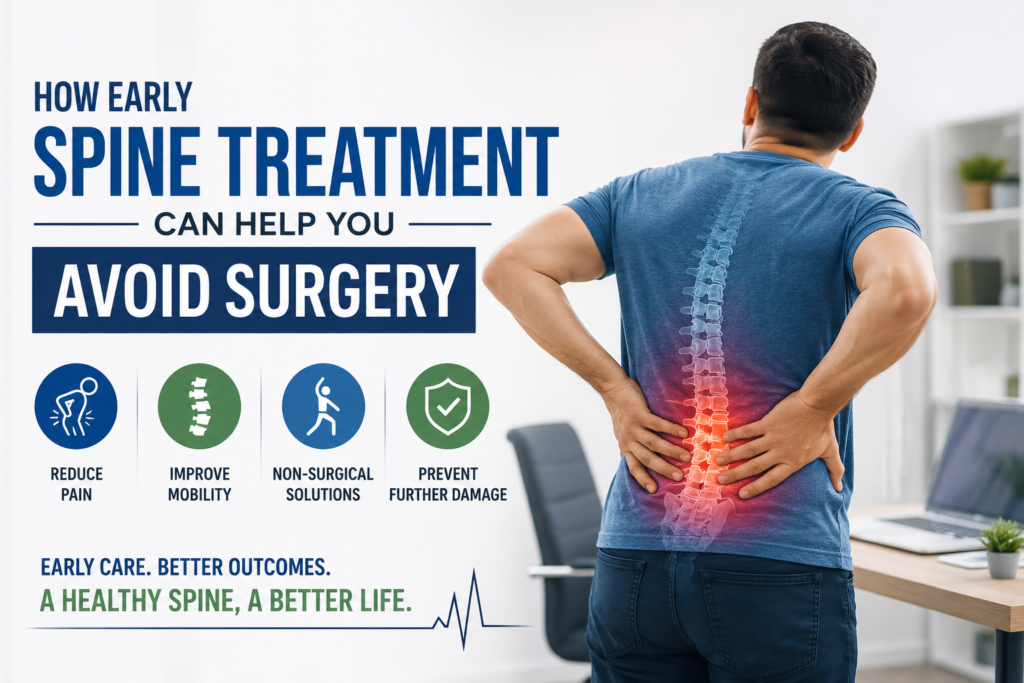
How Early Spine Treatment Can Help You Avoid Surgery Back and neck pain are really health issues nowadays. Whether you get them from working hours having poor posture getting sports injuries or just because you are getting older spine problems can really interfere with your daily life and make your life not as good. A lot of people wait long to see a specialist thinking the pain will just go away on its own.. Waiting too long can make the problem worse and sometimes you might even need surgery. The good news is that a lot of problems can be fixed without surgery if you catch them early. If you get help right away and get the right treatment you can get rid of the pain move around better and avoid more serious problems. If you have pain that just will not go away OrthoSpineCare in Bangalore can help you figure out what is wrong and give you a personalized plan to get you better safely and help you stay healthy and active. Why Early Spine Treatment Matters Your spine is really important it holds up your body protects the cord and helps you move around smoothly. Even small problems can get worse if you ignore them. Getting treatment early helps find out what is causing the pain before it gets too bad. It also lets doctors start treating you without surgery, which might even make the need for surgery go away. Going to see a doctor soon as you start having pain that will not go away can help you get better faster and have a better life in the long run. Common Spine Conditions That Benefit from Early Treatment A lot of problems can get better without surgery if you treat them early. Herniated or Slipped Disc A slipped disc happens when the soft part of a disc comes out through the outer layer and presses on the nerves nearby. Treating it early can reduce the swelling take the pressure off the nerves and help a lot of people get better without surgery. Sciatica Sciatica is a kind of pain that goes from your lower down to your buttocks and legs because the sciatic nerve is irritated. Getting treatment away can stop the pain from becoming chronic and help the nerve work better. Degenerative Disc Disease As you get older your spinal discs wear down. Can cause stiffness and pain that keeps coming back. Changing your lifestyle doing physiotherapy and managing your pain can slow down the damage. Help you move around better if you start early. Spinal Arthritis When the spinal joints get inflamed it can cause pain. Make it hard to move around. Finding out what is wrong early lets doctors help you manage it with medicine, exercise and rehabilitation. Muscle and Ligament Injuries Injuries to the tissues can get better with physiotherapy and rehabilitation if you treat them before they become long-term problems. Warning Signs You Shouldn’t Ignore If you have symptoms that will not go away it might be a sign that your spine needs help. You should see a specialist if you have: Getting checked out early can stop more damage and make treatment work better. How Early Treatment Helps You Avoid Surgery A lot of people think surgery is the way to fix bad back pain.. Surgery is usually only considered when other treatments have not worked or when there is a lot of pressure on the nerves or the spine is not stable. Getting treatment early has a lot of benefits. Accurate Diagnosis The first step is figuring out what is causing your symptoms. Using imaging and checking you out in person helps specialists come up with a plan that treats the root cause not just the pain. Physiotherapy and Rehabilitation Physiotherapy makes the muscles that support your spine stronger improves your posture and makes you more flexible. A customized rehabilitation program can: Getting pain under control early helps reduce the swelling and discomfort and lets you stay active while you recover. Treatment might include medicine or special spinal injections depending on what’s wrong. Lifestyle Modifications Making changes to your daily routine can make a big difference. Doctors might tell you to: Preventing Disease Progression Treating spine problems early helps stop the nerves from getting worse the discs from getting damaged and the joints from degenerating. This can reduce the chance that you will need surgery later. When Surgery May Still Be Necessary Even though a lot of people get better without surgery some spine problems need to be treated with surgery. Surgery might be recommended if you have: Modern spine surgery uses advanced techniques that make it more precise and help you recover faster when surgery is needed. Why Choose OrthoSpineCare in Bangalore? At OrthoSpineCare the goal is to give each patient the treatment possible. Whenever possible specialists try to use -surgical options before considering surgery. Patients trust OrthoSpineCare because of its: The goal is to get rid of the pain make it easier to move around and help patients get back to their normal activities as quickly as possible. Tips to Keep Your Spine Healthy Taking care of your spine every day can reduce the chance of pain. You should: Having healthy habits and getting treatment early gives you the best protection for your spine. Ignoring back or neck pain that will not go away can let small spine problems become more serious. The sooner you get help the more likely you are to get better without surgery. With diagnosis, personalized treatment, physiotherapy and lifestyle guidance many spine problems can be fixed without surgery. If you have pain that will not go away OrthoSpineCare, in Bangalore can help you figure out what is wrong and give you advanced treatment options to help you avoid surgery whenever possible. Taking action now can protect your spine improve your mobility and support a pain-free life.

Spine Care
Orthospine Doctor

The Complete Guide to Spine Care for Office Workers in Bangalore

The Complete Guide to Spine Care for Office Workers in Bangalore Office work is a part of our lives now but sitting at a desk for long hours can hurt our spine. Many people in Bangalore sit in front of a computer for eight to ten hours a day with bad posture and not much physical activity. Over time this can cause neck pain, back pain, stiffness and even long-term spine problems. The good news is that we can prevent spine problems at work by having good habits and getting medical care when we need it. This guide will tell us how office work affects our spine, what warning signs to look out for and how to keep our back healthy. If you have back or neck pain that will not go away OrthoSpineCare in Bangalore can help you with diagnosis and personalized treatment to keep you active and pain-free. Why Office Workers Are More Prone to Spine Problems Even though office work does not involve physical labor sitting for long periods puts stress on our spine. When we sit for a time our muscles do not work as much our core gets weaker and there is more pressure on the discs in our lower back. Some bad workplace habits that can cause problems include: These things can cause discomfort and pain if we do not do something about them. Common Spine Problems Among Office Workers Neck Pain When we keep our head bent forward while using a computer or phone it puts pressure on our neck. This can cause stiffness, headaches and shoulder pain. Back Pain Lower back pain is a common problem for office workers. Sitting for a time puts more pressure on our lower back and weakens the muscles that support it. Upper Back and Shoulder Pain Having posture and using a keyboard for a long time can strain the muscles in our upper back and shoulders causing tightness and discomfort. Herniated Disc If we put stress on our spine we may have disc problems especially if we have bad posture or our spine is already degenerating. Sciatica A herniated disc or pressure on our nerves can cause sciatica, which can cause pain, numbness or tingling in one leg. Warning Signs You Should Not Ignore While it is normal to feel a little stiff some symptoms mean we should see a spine specialist. We should see a doctor if we have: *. Tingling sensations If we get diagnosed early we can prevent problems from becoming big ones. How to Set Up an Ergonomic Workspace Having a workspace that is set up right can reduce the strain on our spine. We should: The Importance of Taking Regular Breaks Sitting in one position for hours is bad for us even if our posture is good. We should try to: These small breaks can help our blood flow. Reduce muscle stiffness. Simple Exercises for Office Workers Exercising regularly can help strengthen the muscles that support our spine. We can do: Lifestyle Habits That Protect Our Spine Having daily habits can help prevent spine problems. We should: These habits can help us have stronger bones and a healthier spine. When to Visit a Spine Specialist Many people keep working even when they’re in pain thinking it will get better on its own.. We should not ignore persistent symptoms. We should see a specialist if: Getting treated promptly can prevent more serious problems. Why Choose OrthoSpineCare in Bangalore? At OrthoSpineCare the doctors understand the challenges that office workers face. They provide evaluation and personalized treatment plans to relieve pain and restore mobility. Patients get: The focus is on treating pain and preventing future spine problems. Treatment Options Available Depending on the diagnosis treatment may include: We do not have to have chronic back or neck pain just because we work in an office. By having posture creating an ergonomic workspace exercising regularly and getting medical care when we need it we can protect our spine and stay active and productive. If you are an office worker with back or neck pain OrthoSpineCare, in Bangalore can help you with expert spine care. They provide diagnosis, personalized treatment and comprehensive rehabilitation to help you work comfortably and live without pain.

Scroll to Top
Call Now Button