
Orthopaedic Treatment in Bangalore: What Patients Should Know
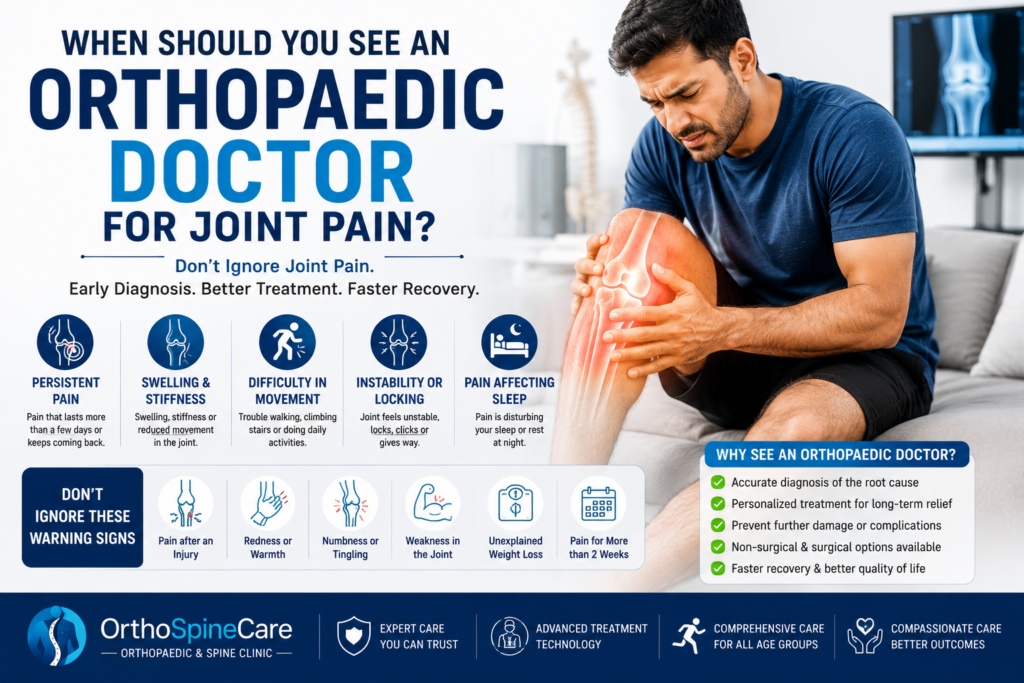
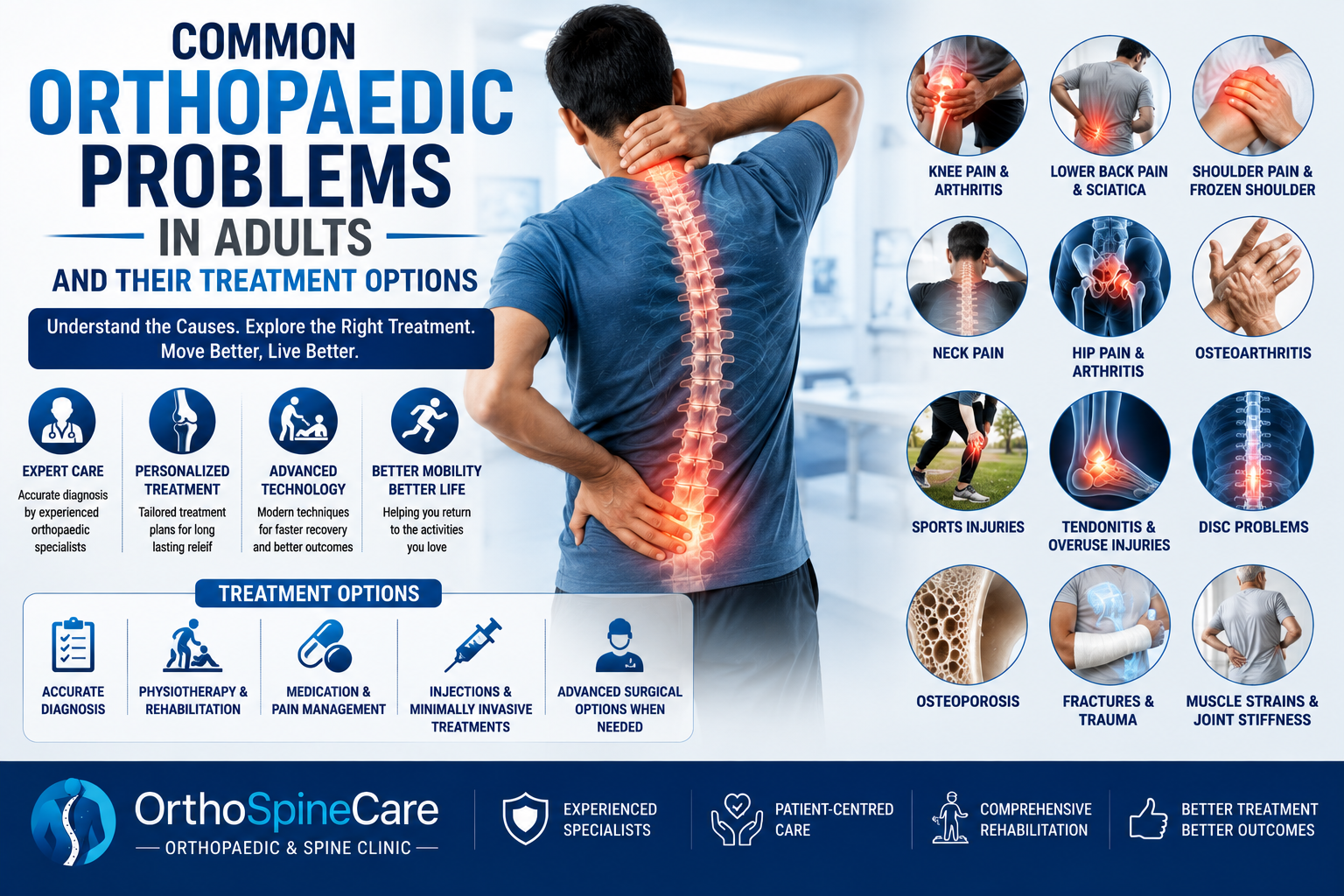
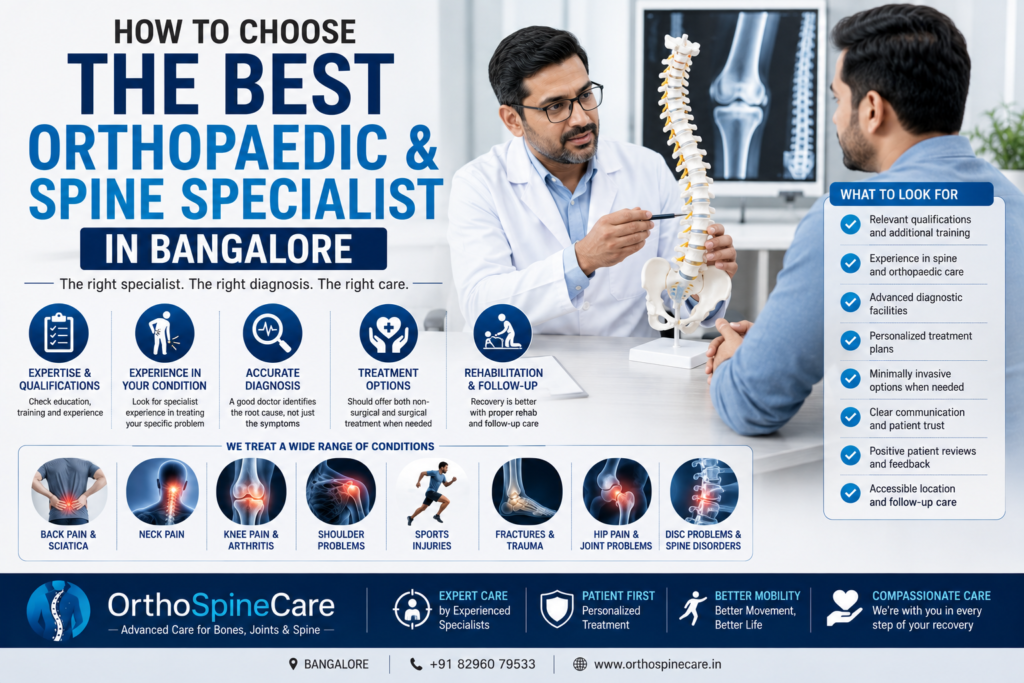
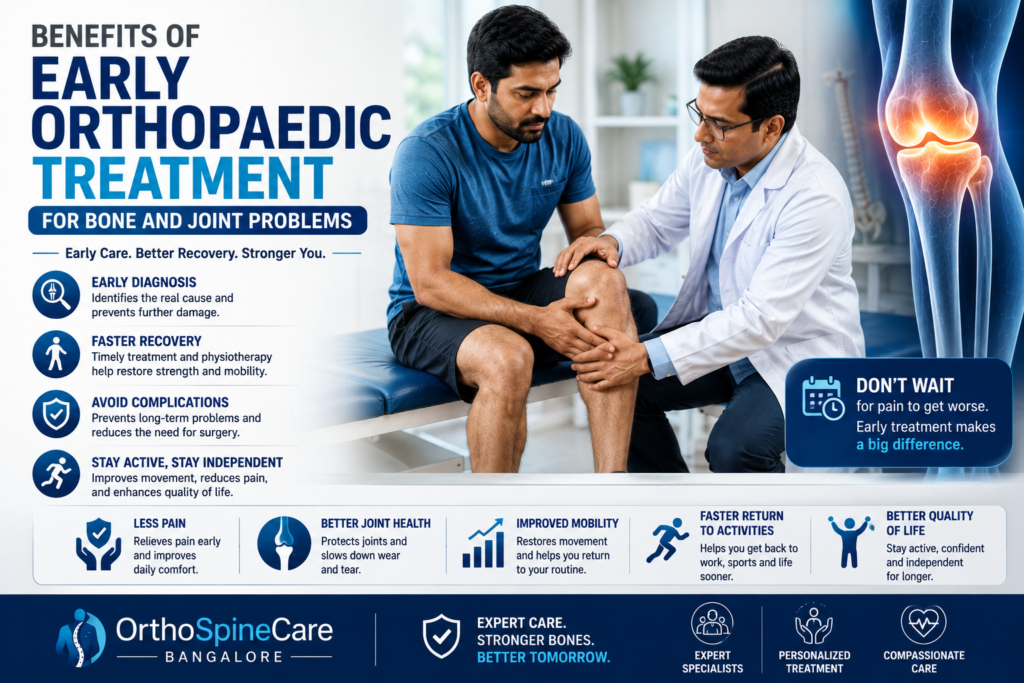
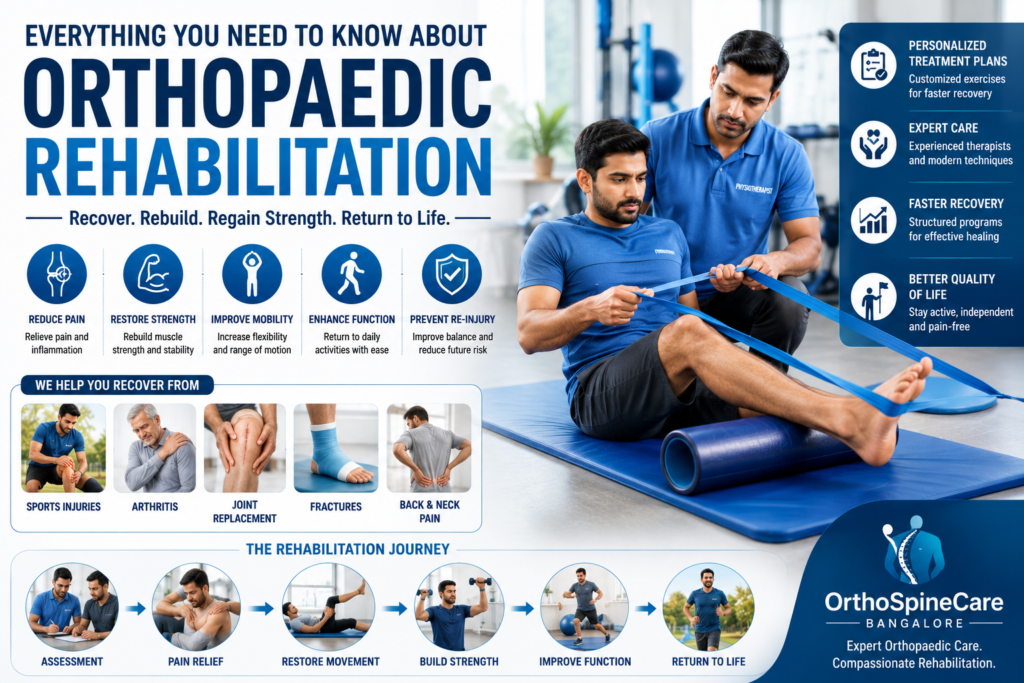
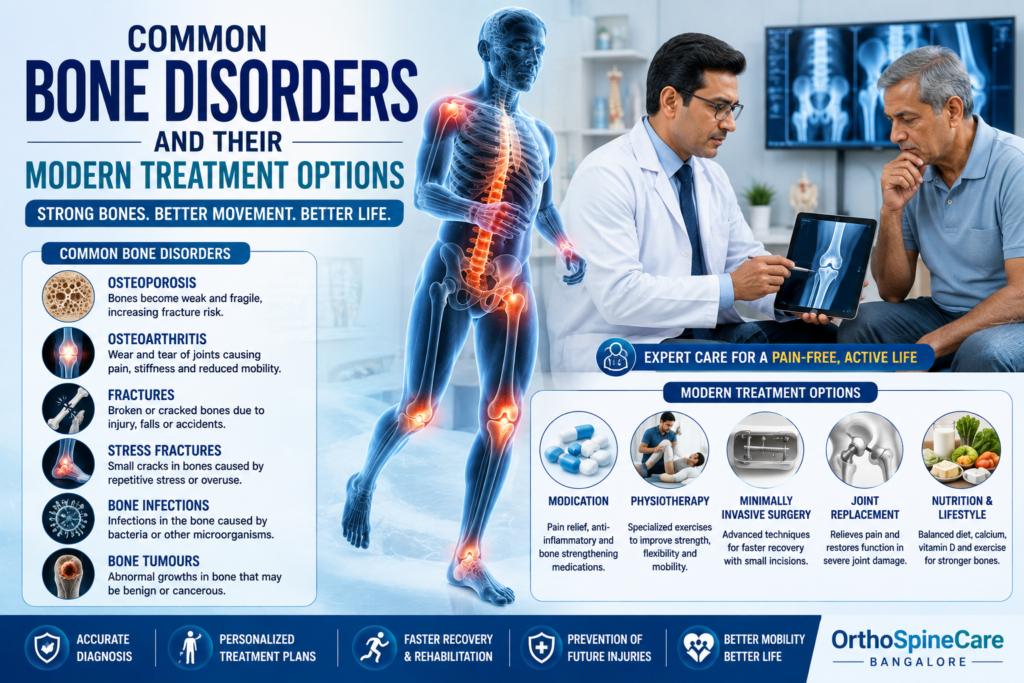
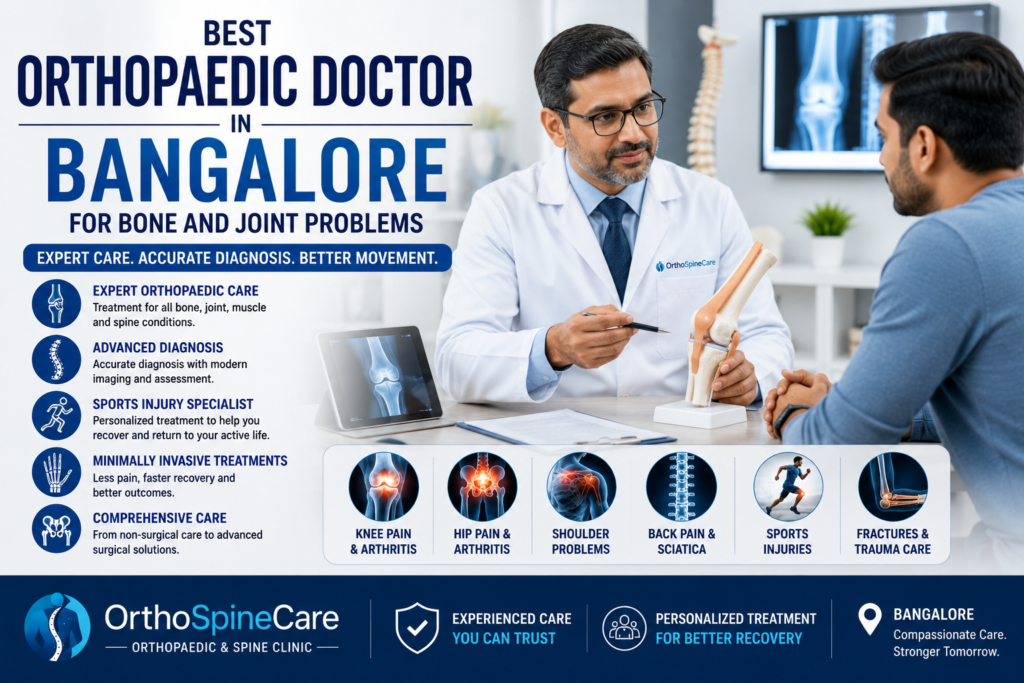
Orthopaedic Treatment in Bangalore: What Patients Should Know Bone, joint, muscle, and spine problems can affect almost every part of daily life. A painful knee can make climbing stairs difficult. Shoulder pain can make it uncomfortable to lift your arm. Back pain can turn a normal workday into a struggle. And when the pain doesn’t go away, one of the first questions people ask is: “Where should I go for orthopaedic treatment in Bangalore?” With so many clinics, hospitals, specialists, and treatment options available, choosing the right care can feel confusing. More importantly, orthopaedic treatment isn’t the same for everyone. The right treatment depends on the cause of the problem, how severe it is, your age, activity level, and overall health. This guide explains what patients should know before seeking orthopaedic treatment in Bangalore and what to expect during the treatment process. What Does Orthopaedic Treatment Include? Orthopaedics is a medical specialty focused on the musculoskeletal system, which includes bones, joints, muscles, ligaments, tendons, and related structures. An orthopaedic specialist may evaluate and treat conditions affecting areas such as: Treatment can range from simple lifestyle modifications and physiotherapy to medications, injections, minimally invasive procedures, or surgery when necessary. Common Orthopaedic Problems in Bangalore People seek orthopaedic care for many different reasons. Some problems develop gradually, while others occur suddenly after an accident or injury. 1. Knee Pain Knee pain is one of the most common reasons people consult an orthopaedic specialist. It can be associated with: Knee pain may make walking, squatting, climbing stairs, or exercising uncomfortable. 2. Back and Spine Problems Long working hours, prolonged sitting, poor movement habits, injuries, and various spinal conditions can contribute to back pain. Some patients may experience only local back discomfort, while others may have symptoms such as pain travelling into the leg, numbness, tingling, or weakness. Persistent or worsening symptoms should be evaluated rather than repeatedly managed with painkillers or home remedies. 3. Arthritis and Joint Stiffness Arthritis can cause pain, stiffness, swelling, and difficulty moving a joint. It may affect the: The treatment approach depends on the type of arthritis and the individual’s symptoms. 4. Sports Injuries Sports and exercise are excellent for overall health, but injuries can happen. Common sports-related problems include: Proper diagnosis can help determine when it is safe to return to physical activity. 5. Fractures and Trauma Falls, road accidents, workplace injuries, and sports accidents can result in fractures or other orthopaedic injuries. Some fractures require immediate medical attention and may need immobilization, reduction, or surgery depending on the injury. When Should You See an Orthopaedic Specialist? Not every ache requires a specialist consultation. However, persistent or recurring symptoms shouldn’t be ignored. Consider seeing an orthopaedic doctor if you experience: Early assessment can help identify the underlying problem and guide appropriate treatment. What Happens During an Orthopaedic Consultation? Many patients feel nervous before their first consultation because they don’t know what to expect. The process usually starts with a discussion about your symptoms. Step 1: Understanding Your Symptoms Your doctor may ask: These details can provide important clues. Step 2: Physical Examination The affected area may be examined to assess: A physical examination helps the doctor understand how the problem is affecting your body. Step 3: Diagnostic Tests Not everyone needs imaging or laboratory tests. Depending on your symptoms, the doctor may recommend an X-ray, MRI, CT scan, ultrasound, or blood tests. The purpose is to understand the underlying condition rather than simply identify where it hurts. Does Orthopaedic Treatment Always Mean Surgery? No. This is one of the biggest misconceptions about orthopaedic care. Many orthopaedic conditions can initially be managed with non-surgical approaches when appropriate. Depending on the diagnosis, treatment may include: Surgery may be considered when there is a significant structural problem or when appropriate non-surgical treatment does not provide sufficient improvement. The decision should always be based on the individual patient’s condition. The Importance of Physiotherapy and Rehabilitation Treatment doesn’t necessarily end when the pain decreases. For many injuries and orthopaedic conditions, rehabilitation plays an important role in restoring strength and movement. Depending on the condition, rehabilitation may focus on: Following a structured rehabilitation plan can be particularly important after injuries and certain procedures. How to Choose Orthopaedic Treatment in Bangalore Bangalore has many healthcare options, so choosing a specialist can sometimes feel overwhelming. Instead of selecting a clinic based only on advertisements or online rankings, consider a few practical factors. Look at the Doctor’s Expertise Orthopaedics covers a broad range of conditions. If your problem involves the spine, sports injuries, joints, or trauma, look for a doctor with relevant experience in that area. Consider the Diagnostic Approach Accurate diagnosis is an important part of effective treatment. A good consultation should focus on understanding your symptoms and medical history rather than immediately recommending a procedure. Ask About Non-Surgical Options If surgery has been suggested, don’t hesitate to ask whether there are appropriate non-surgical options for your particular condition. Consider Rehabilitation Ask how rehabilitation and follow-up care will be handled, particularly if you’re recovering from an injury or procedure. Communication Matters You should feel comfortable asking questions about your diagnosis, treatment choices, expected recovery, and possible risks. Good communication can make the treatment journey easier to understand. Why Personalized Orthopaedic Treatment Matters Two people can have pain in the same joint but completely different underlying problems. For example, knee pain in a young athlete may be related to an injury, while knee pain in an older adult may be associated with degenerative changes. Treating both patients in exactly the same way wouldn’t necessarily make sense. That’s why orthopaedic treatment should consider: A personalized approach helps doctors select treatment based on the actual condition rather than simply treating the symptom. Orthopaedic Treatment for Office Workers Bangalore’s technology and corporate workforce means many people spend long hours sitting at desks. Extended sitting and limited physical activity can contribute to musculoskeletal discomfort, particularly when combined with poor ergonomics or insufficient movement. Simple habits can help: If back