Author name: thewebsitemakers

Affordable Orthopaedic Care Bangalore
Orthospine Doctor

Looking for the Best Orthopedic Care in Bangalore? Choose OrthoSpine Care

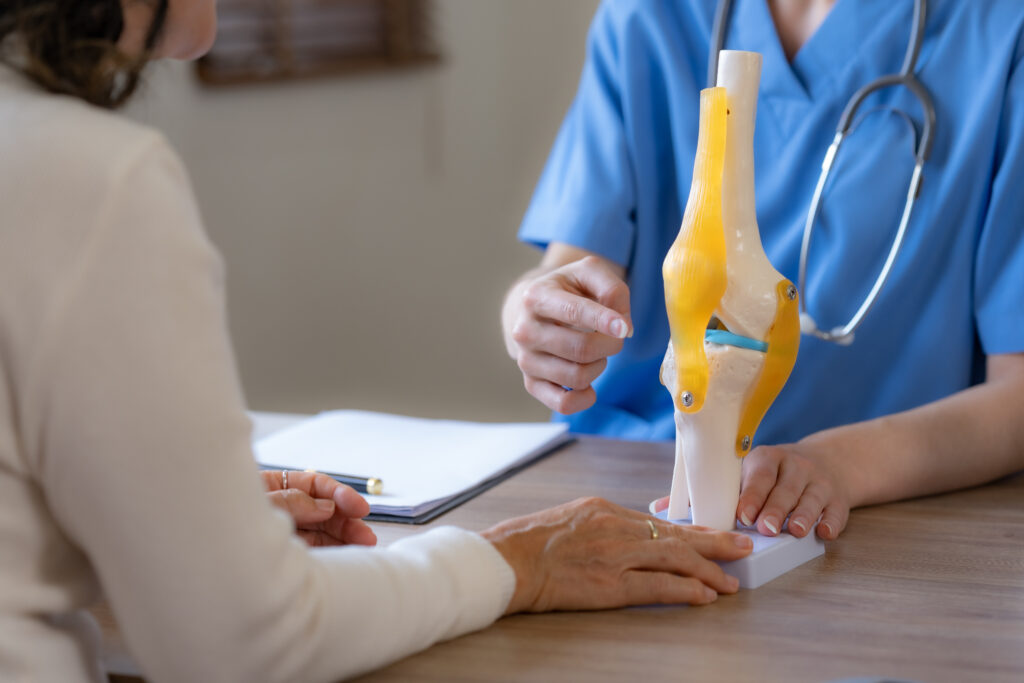
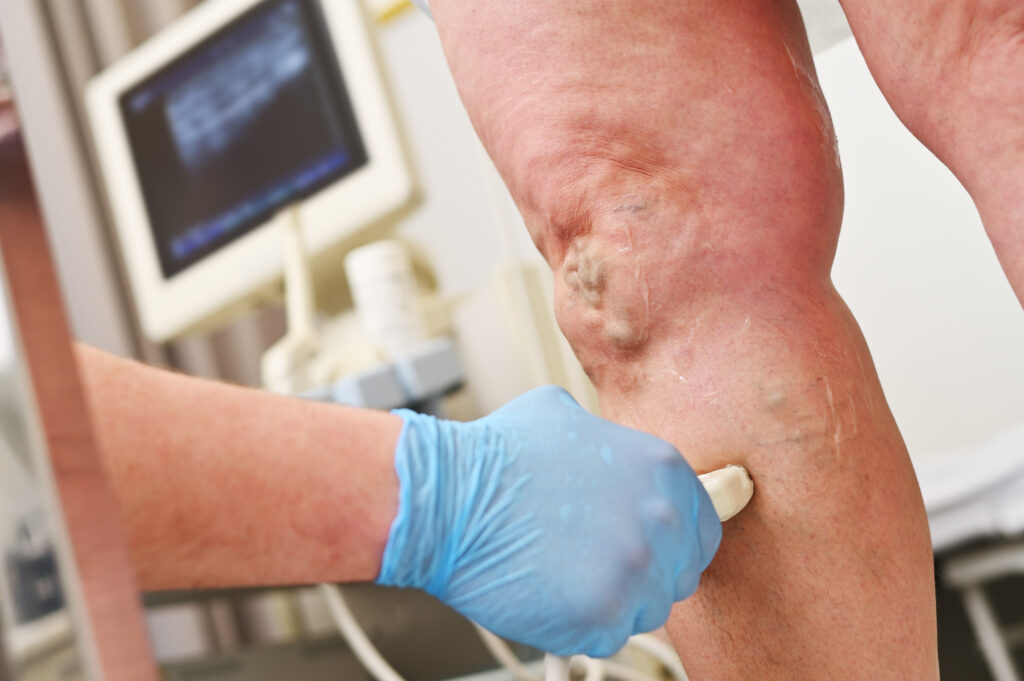
Looking for the Best Orthopedic Care in Bangalore? Choose OrthoSpine Care Bone, joint, and spine problems can affect every part of your daily life. Whether it is persistent back pain, joint stiffness, sports injuries, fractures, or mobility issues, finding the right orthopedic specialist is essential for proper treatment and long-term recovery. If you are searching for trusted and advanced orthopedic care in Bangalore, OrthoSpine Care stands out as a reliable destination for expert diagnosis, personalized treatment, and compassionate patient care. At OrthoSpine Care, every patient receives focused attention and specialized treatment designed to restore movement, reduce pain, and improve quality of life. Why Orthopedic Care Matters Orthopedic health is closely connected to how we move, work, and live every day. Problems affecting bones, joints, muscles, ligaments, and the spine can gradually worsen if ignored. Early orthopedic care helps: Seeking timely treatment from experienced specialists can make a major difference in recovery outcomes. What Makes OrthoSpine Care Different OrthoSpine Care is committed to providing advanced orthopedic and spine treatments with a patient-first approach. The clinic combines medical expertise, modern technology, and personalized care plans to ensure every patient receives the best possible treatment. What sets OrthoSpine Care apart is its focus on both non-surgical and surgical solutions, allowing patients to receive treatment that matches their exact condition and lifestyle needs. Comprehensive Orthopedic Services Under One Roof OrthoSpine Care offers a wide range of orthopedic and spine services for patients of all age groups. Back and Spine Care Back pain, slipped discs, sciatica, and spinal disorders require expert evaluation and treatment. OrthoSpine Care specializes in diagnosing and managing complex spine conditions using advanced techniques. Joint Pain Treatment Knee pain, hip discomfort, shoulder injuries, and arthritis-related joint issues are treated with modern methods aimed at reducing pain and restoring movement. Fracture and Trauma Management Accidents and injuries need immediate orthopedic attention. The clinic provides expert fracture care, trauma management, and rehabilitation support. Sports Injury Care Athletes and active individuals often experience ligament tears, tendon injuries, and muscle strain. Specialized sports injury treatment helps patients recover safely and return to activity faster. Arthritis and Chronic Pain Management Chronic orthopedic pain can affect daily routines. Personalized arthritis treatment plans help manage pain and improve long-term joint health. Expert Care by Skilled Specialists At the heart of OrthoSpine Care is experienced medical leadership focused on delivering accurate diagnosis and effective treatment. Every patient receives thorough evaluation, clear explanations, and individualized care. The team believes in treating not just the condition but the person as a whole—ensuring comfort, trust, and confidence throughout the healing journey. Advanced Technology for Better Results Modern orthopedic care depends on precision. OrthoSpine Care uses advanced diagnostic tools and updated treatment methods to provide: Technology combined with clinical expertise leads to safer and more effective care. Personalized Treatment for Every Patient No two orthopedic conditions are the same. That is why OrthoSpine Care creates customized treatment plans based on: This personalized approach helps patients achieve better and lasting results. Focus on Non-Surgical Solutions First Whenever possible, OrthoSpine Care prioritizes non-surgical treatments before considering surgery. These may include: This conservative approach helps many patients recover without invasive procedures. When Surgery Is Needed, Expert Hands Matter In cases where surgery is necessary, patients can rely on advanced surgical expertise. Minimally invasive procedures and modern orthopedic surgeries are performed with high precision, ensuring quicker healing and reduced discomfort. Patient-Centered Healing Experience What truly makes OrthoSpine Care trusted among patients is its compassionate approach. From consultation to recovery, the focus remains on patient comfort, education, and long-term wellness. Patients are encouraged to ask questions, understand their treatment options, and actively participate in their recovery process. Why Bangalore Patients Trust OrthoSpine Care Patients across Bangalore choose OrthoSpine Care because of: The clinic has become a dependable name for those seeking lasting orthopedic relief. Conclusion If you are looking for the best orthopedic care in Bangalore, OrthoSpine Care offers the expertise, technology, and compassionate support needed for effective healing. Whether you are dealing with back pain, joint discomfort, fractures, or chronic orthopedic conditions, the right care can restore your mobility and improve your quality of life. Choosing OrthoSpine Care means choosing trusted specialists dedicated to helping you move better, live pain-free, and regain confidence in every step you take.
Back pain specialist Bangalore
Orthospine Doctor

Advanced Orthopaedic Services in Bangalore for Injury and Joint Care

Advanced Orthopaedic Services in Bangalore for Injury and Joint Care In today’s fast-paced lifestyle, bone, joint, and muscle problems have become increasingly common. From sports injuries and accidents to chronic joint pain and age-related conditions, orthopedic issues can affect people of all age groups. The good news is that modern medicine now offers advanced orthopaedic services in Bangalore that focus on accurate diagnosis, effective treatment, and faster recovery. With access to experienced specialists and advanced medical technology, patients can receive comprehensive care tailored to their specific needs. Understanding Orthopaedic Care Orthopaedic care focuses on diagnosing and treating conditions related to bones, joints, ligaments, tendons, and muscles. These conditions may arise due to injuries, wear and tear, or underlying medical issues. Advanced orthopedic services aim not only to relieve pain but also to restore mobility, improve strength, and enhance overall quality of life. Common Orthopaedic Problems Orthopaedic specialists treat a wide range of conditions, including: Each condition requires a personalized approach to ensure the best possible outcome. Importance of Early Diagnosis Early diagnosis plays a crucial role in effective treatment. Ignoring pain or discomfort can lead to complications and prolonged recovery. Advanced diagnostic tools such as digital imaging and clinical evaluation help specialists identify the exact cause of the problem. This allows for targeted treatment and better results. Advanced Treatment Options Available Modern orthopaedic care in Bangalore offers a wide range of treatment options, depending on the severity of the condition. Non-Surgical Treatments Many orthopedic conditions can be managed without surgery. These treatments include physiotherapy, medications, lifestyle changes, and pain management techniques. Rehabilitation programs focus on strengthening muscles, improving flexibility, and reducing stress on joints. Minimally Invasive Procedures When non-surgical methods are not sufficient, minimally invasive procedures provide effective solutions. These techniques involve smaller incisions, less pain, and faster recovery compared to traditional surgery. They are commonly used for joint and spine-related conditions. Surgical Treatments In severe cases, surgical intervention may be required. Procedures such as joint replacement, arthroscopy, and spine surgery are performed using advanced techniques to ensure precision and improved outcomes. Role of Rehabilitation in Recovery Recovery does not end with treatment. Rehabilitation is a key part of orthopedic care, helping patients regain strength and mobility. Physiotherapy programs are designed to support healing, prevent complications, and ensure long-term success. Regular follow-ups and guided exercises play an important role in recovery. Personalized Patient Care One of the key features of advanced orthopaedic services is a patient-centered approach. Each treatment plan is tailored based on: This ensures that patients receive care that is both effective and suitable for their individual needs. Benefits of Advanced Orthopaedic Services Choosing advanced orthopedic care offers several advantages: These benefits help patients return to their normal lives with confidence. Preventing Orthopaedic Problems While treatment is important, prevention is equally essential. Simple lifestyle habits can help maintain bone and joint health. Regular exercise, maintaining proper posture, avoiding excessive strain, and following a balanced diet support strong bones and joints. Taking precautions during physical activities can also reduce the risk of injuries. When to Consult an Orthopaedic Specialist It is important to seek medical advice if you experience: Early consultation ensures timely treatment and prevents complications. Conclusion Advanced orthopaedic services in Bangalore provide effective solutions for a wide range of bone, joint, and injury-related conditions. With modern treatments, personalized care, and expert guidance, patients can achieve faster recovery and long-term relief. If you are dealing with pain or mobility issues, consulting a qualified orthopaedic specialist can help you regain strength, improve movement, and return to a healthy, active lifestyle.

Growth Related Bone Problems in Kids
Orthospine Doctor

Common Growth-Related Orthopedic Problems in Kids and How to Treat Them

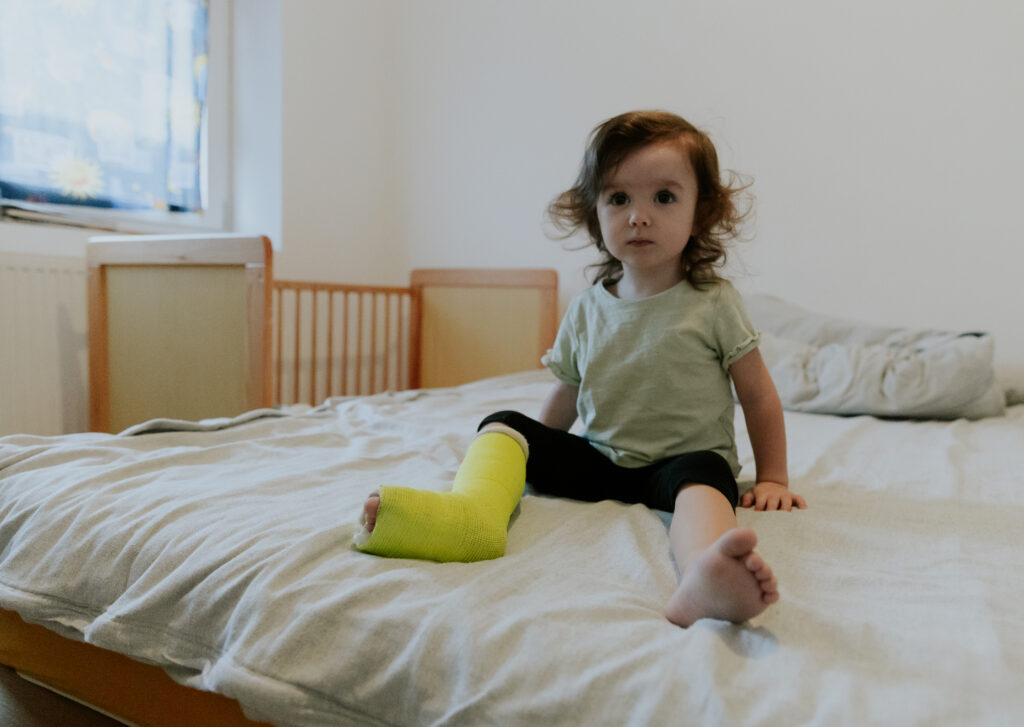
Common Growth-Related Orthopedic Problems in Kids and How to Treat Them Children grow rapidly, and during this phase, their bones, joints, and muscles are constantly developing. While most growth happens naturally and without issues, some children may experience growth-related orthopedic problems that can affect their movement and overall development. Early identification and proper care are essential to ensure healthy growth and prevent long-term complications. Understanding Growth-Related Orthopedic Issues Growth-related orthopedic problems occur when there are abnormalities in how bones and joints develop. Since children’s bones are still growing, they are more flexible but also more vulnerable to certain conditions. These issues may be present from birth, develop over time, or result from injuries during growth years. Recognizing early signs and seeking timely medical care can make a significant difference in treatment outcomes. Common Growth-Related Problems in Children Several orthopedic conditions are commonly seen in children during their growth phase. Bow Legs and Knock KneesMany young children naturally have bow legs or knock knees, which usually correct themselves as they grow. However, if the condition is severe or persists beyond a certain age, medical evaluation is necessary. Flat FeetFlat feet are common in children and often improve as the arch develops with age. In some cases, supportive footwear or exercises may be needed if the child experiences pain or discomfort. Growth Plate InjuriesGrowth plates are areas of developing tissue at the ends of long bones. Injuries to these areas can affect bone growth if not treated properly. These injuries often occur during sports or physical activities. Limb Length DifferencesSome children may have one leg slightly longer than the other. While minor differences are common, significant variations may require medical attention to prevent walking difficulties or posture issues. Postural ProblemsPoor posture during growth years can lead to back or neck discomfort. Conditions like scoliosis, which causes abnormal curvature of the spine, may develop during adolescence. Signs Parents Should Watch For Early detection plays a key role in effective treatment. Parents should look out for: If any of these signs are noticed, consulting a specialist is important. How Are These Conditions Diagnosed Doctors assess growth-related issues through physical examinations and, if necessary, imaging tests like X-rays. They evaluate the child’s posture, movement, and bone development to identify the exact problem. Accurate diagnosis helps in creating a personalized treatment plan tailored to the child’s needs. Treatment Options for Growth-Related Issues Treatment depends on the type and severity of the condition. In many cases, non-surgical methods are effective. Observation and MonitoringSome conditions, like mild bow legs or flat feet, may improve naturally over time and only require regular monitoring. Physiotherapy and ExercisesTargeted exercises help strengthen muscles, improve balance, and support proper alignment. Physiotherapy plays a vital role in managing many orthopedic conditions in children. Bracing and Support DevicesIn certain cases, braces or orthotic devices are used to guide bone growth and correct alignment. Medications and Pain ManagementIf the child experiences discomfort, doctors may recommend appropriate pain management strategies. Surgical InterventionSurgery is considered only in severe cases where other treatments are not effective. Modern techniques ensure safe and precise correction when needed. Importance of Early Treatment Addressing growth-related issues early helps prevent complications later in life. Proper treatment ensures: Early intervention is always more effective and less complex than treating advanced conditions. Supporting Healthy Growth in Children Parents can play a major role in promoting their child’s bone health. Encouraging regular physical activity, providing a balanced diet rich in calcium and vitamin D, and ensuring proper posture can support healthy development. Regular health check-ups also help monitor growth and detect any issues early. Conclusion Growth-related orthopedic problems in children are not uncommon, but with timely care and proper guidance, they can be effectively managed. Understanding the signs, seeking early diagnosis, and following the right treatment plan can help ensure that children grow strong, active, and healthy. If you notice any unusual symptoms in your child’s movement or posture, consulting an orthopedic specialist can provide clarity and peace of mind. Early care today can make a lasting difference in your child’s future well-being.

Spine and joint care
Orthospine Doctor

Joint Replacement Counseling: What You Need to Know Before Surgery

Joint Replacement Counseling: What You Need to Know Before Surgery Joint pain can gradually affect your ability to move, work, and enjoy daily life. When medications, physiotherapy, and other treatments no longer provide relief, joint replacement surgery may become a recommended option. However, before taking this step, joint replacement counseling plays a crucial role in helping patients understand the procedure, prepare effectively, and achieve better outcomes. What Is Joint Replacement Counseling Joint replacement counseling is a detailed consultation process where doctors guide patients about the need for surgery, available treatment options, and what to expect before, during, and after the procedure. It helps patients make informed decisions and feel more confident about their treatment journey. This counseling process is personalized, taking into account the patient’s condition, lifestyle, and overall health. When Is Joint Replacement Recommended Joint replacement is usually considered when joint damage becomes severe and affects daily activities. Common reasons include: Chronic joint pain that does not improve with medicationSevere arthritis affecting mobilityStiffness and reduced range of motionDifficulty walking, climbing stairs, or performing routine tasks Proper evaluation during counseling helps determine whether surgery is the right choice or if other treatments can still be effective. Understanding the Procedure During counseling, the doctor explains how the surgery is performed. In joint replacement, the damaged parts of the joint are replaced with artificial components designed to restore movement and reduce pain. Patients are also informed about the type of surgery, expected duration, and the techniques used, including minimally invasive approaches when suitable. Preparing for Surgery Preparation is an important part of successful joint replacement. Counseling helps patients get ready both physically and mentally. This may include: Medical tests and health evaluationsManaging existing health conditionsPre-surgery exercises to strengthen musclesPlanning for post-surgery care and support at home Being well-prepared reduces complications and supports smoother recovery. Setting Realistic Expectations One of the key benefits of counseling is understanding what results to expect. While joint replacement significantly reduces pain and improves mobility, recovery takes time and effort. Patients learn about: Recovery timelinesPossible limitations during healingImportance of rehabilitationLong-term outcomes and lifestyle adjustments Clear expectations help avoid confusion and build confidence in the treatment process. Risks and Safety Measures Like any surgical procedure, joint replacement carries some risks. Counseling ensures that patients are aware of these risks while also understanding the safety measures taken to minimize them. Doctors explain potential complications, such as infection or stiffness, and how they are managed. This transparency helps patients feel informed and reassured. Role of Rehabilitation After Surgery Recovery does not end with surgery. Rehabilitation is a vital part of the healing process. Counseling highlights the importance of physiotherapy in restoring strength, flexibility, and movement. Patients are guided on: Post-surgery exercisesGradual return to daily activitiesFollow-up care and monitoring A strong rehabilitation plan ensures long-term success of the surgery. Emotional and Mental Preparation Undergoing surgery can feel overwhelming. Counseling also focuses on emotional well-being by addressing fears and concerns. Patients are encouraged to ask questions and express their doubts. Understanding the procedure and having a clear plan helps reduce anxiety and builds a positive mindset toward recovery. Benefits of Joint Replacement Counseling Joint replacement counseling offers several advantages: Helps make informed decisionsImproves surgical outcomesReduces anxiety and uncertaintyEncourages better preparation and recoveryEnhances overall patient satisfaction It ensures that patients are not just treated, but also supported throughout their journey. Conclusion Joint replacement counseling is an essential step before surgery, helping patients understand their condition, explore treatment options, and prepare for a successful recovery. It bridges the gap between diagnosis and treatment, ensuring that patients feel confident and informed every step of the way. If you are considering joint replacement, consulting an experienced orthopedic specialist for proper counseling can make a significant difference in your overall experience and results. With the right guidance and preparation, you can look forward to a more active, pain-free life.

Fall Prevention
Orthospine Doctor

Fall Prevention Guidance: Tips to Stay Safe and Steady

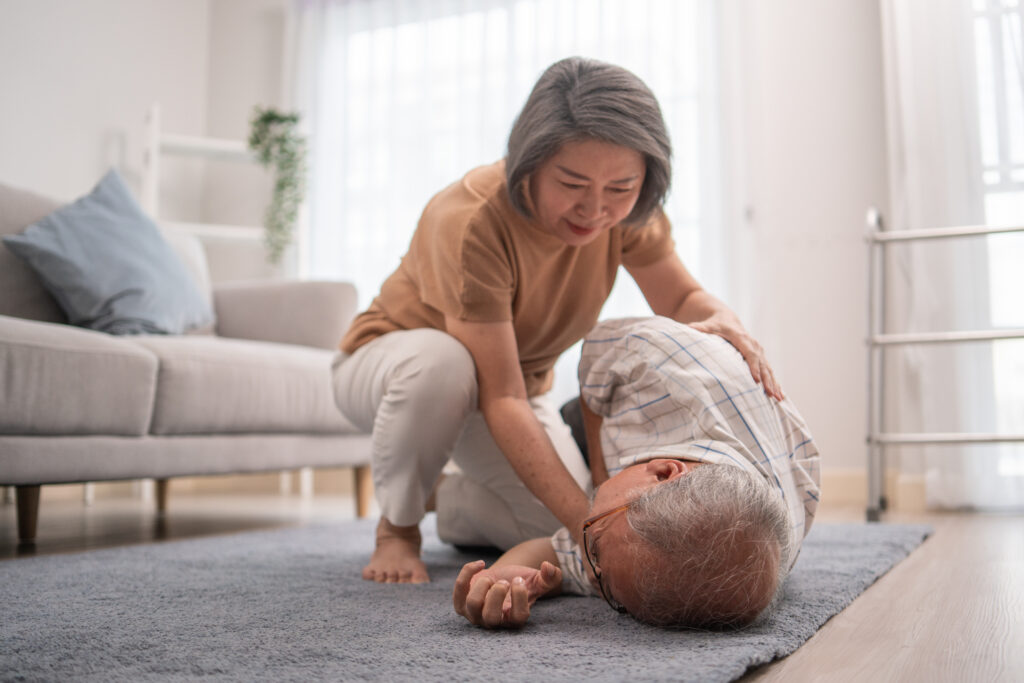
Fall Prevention Guidance: Tips to Stay Safe and Steady Falls can happen to anyone, but they are especially common among older adults or individuals with mobility issues. A fall can lead to serious injuries, loss of confidence, and a decrease in overall independence. Taking proactive steps to prevent falls is essential for maintaining safety, mobility, and quality of life. Understanding the Risk of Falls Falls occur when balance is compromised, or unexpected obstacles disrupt movement. Risk factors include age-related muscle weakness, poor vision, medications, and underlying health conditions. Recognizing these risks helps in taking preventive measures before an incident occurs. Creating a Safe Home Environment A large number of falls happen at home. Simple adjustments can significantly reduce risks. Ensure floors are clear of clutter, remove loose rugs or secure them with anti-slip backing, and keep frequently used items within easy reach. Install grab bars in bathrooms and handrails on stairs to provide extra support. Improving Balance and Strength Regular exercise strengthens muscles, improves coordination, and enhances balance. Activities like walking, yoga, tai chi, and resistance training help maintain mobility and stability. Even small daily exercises, guided by a physiotherapist if needed, can make a significant difference in preventing falls. Proper Footwear and Mobility Aids Wearing shoes with non-slip soles and proper support reduces the risk of slipping. Avoid walking barefoot or in loose slippers. For individuals with mobility challenges, using canes, walkers, or other assistive devices can provide additional stability and confidence. Vision and Health Management Regular eye check-ups are important, as impaired vision increases the likelihood of falls. Managing health conditions like diabetes, arthritis, and low blood pressure can also help prevent falls. Be aware of medications that may cause dizziness or drowsiness, and discuss alternatives with your doctor if necessary. Safe Movement and Habits Being mindful of your movements can prevent accidents. Take your time when standing up, especially from chairs or beds. Use handrails when climbing stairs and avoid rushing in unfamiliar or poorly lit areas. Encourage adequate lighting throughout the home, including night lights in hallways and bathrooms. Professional Guidance and Support Physiotherapists and occupational therapists can assess your home and physical abilities to recommend personalized fall prevention strategies. They can provide exercises to strengthen muscles, improve balance, and teach safe techniques for daily activities. Building Confidence and Awareness Falls often lead to fear, which can reduce activity and increase vulnerability. Practicing safe habits, staying active, and following guidance from professionals can boost confidence and encourage independence. Education about risk factors and preventive measures empowers individuals to take control of their safety. Conclusion Fall prevention is a crucial aspect of maintaining independence, especially for older adults or those with mobility challenges. By creating a safe environment, improving strength and balance, and seeking professional guidance, the risk of falls can be significantly reduced. Prioritizing these measures helps individuals stay safe, steady, and confident in their daily lives.

Intra-Articular Injections
Orthospine Doctor

A Complete Guide to Intra-Articular and Soft Tissue Injections

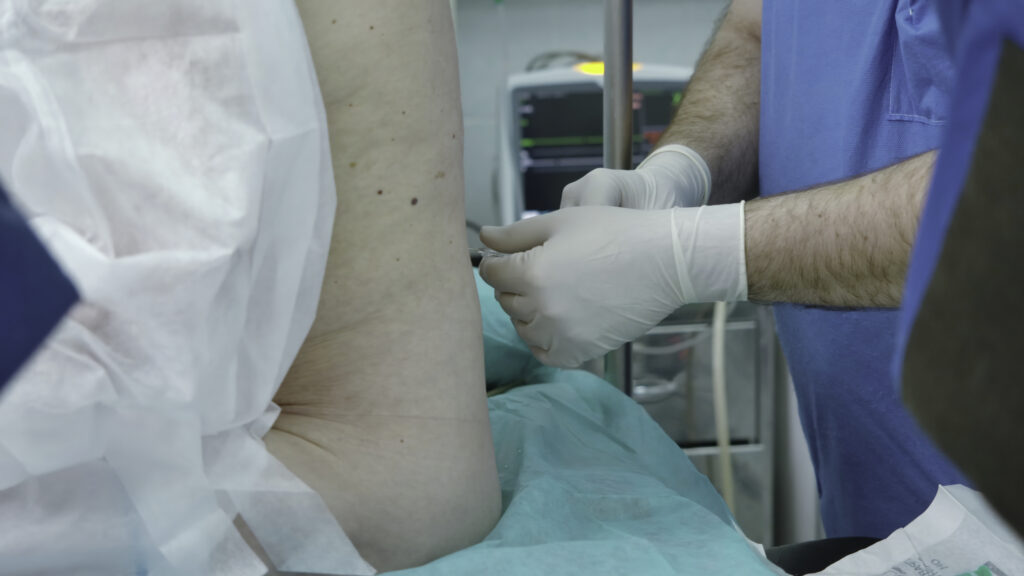
A Complete Guide to Intra-Articular and Soft Tissue Injections Joint and muscle pain can interfere with even the simplest daily activities, from walking and lifting to sitting comfortably. While medications and physiotherapy help many people, some conditions require more targeted treatment. This is where intra-articular and soft tissue injections come into play. These modern, minimally invasive treatments are widely used in orthopedic care to reduce pain, control inflammation, and improve mobility—often without the need for surgery. What Are Intra-Articular and Soft Tissue Injections? Both treatments involve injecting medication directly into specific areas of the body, but they differ in their target location. Intra-articular injections are administered directly into a joint, such as the knee, shoulder, or hip. These injections focus on treating joint-related conditions. Soft tissue injections, on the other hand, are given into tissues surrounding the joints, such as muscles, tendons, or ligaments. These are used to treat injuries and inflammation in soft tissues. By delivering medication directly to the affected area, these injections provide faster and more effective relief compared to oral medications. Conditions Treated with Injection Therapy Intra-articular and soft tissue injections are commonly used to manage a variety of orthopedic conditions, including: These treatments are especially helpful when other non-surgical methods do not provide sufficient relief. Types of Injections Used Depending on the condition and severity, doctors may recommend different types of injections. Corticosteroid Injections These are commonly used to reduce inflammation and relieve pain quickly. They are effective for both joint and soft tissue conditions. Hyaluronic Acid Injections These injections improve joint lubrication and are often used in patients with osteoarthritis, particularly in the knee. Platelet-Rich Plasma (PRP) Therapy PRP uses the patient’s own blood components to promote natural healing and tissue regeneration. Local Anesthetic Injections These are used to provide immediate pain relief and are sometimes combined with other treatments. How the Procedure Is Performed Injection therapy is usually a quick and simple outpatient procedure. The procedure typically takes only a few minutes, and most patients can go home the same day. Benefits of Injection Therapy These treatments offer several advantages, making them a preferred option for many patients: Targeted Pain ReliefMedication is delivered directly to the source of pain for faster results. Reduced InflammationInjections help control swelling and irritation in joints and tissues. Minimally InvasiveNo major surgery is required, reducing risks and recovery time. Improved MobilityPatients often experience better movement and flexibility after treatment. Quick RecoveryMost people can resume normal activities within a short period. What to Expect After the Injection After the procedure, patients may experience mild soreness or swelling at the injection site, which usually resolves within a few days. Doctors may recommend: Following these guidelines helps maximize the benefits of the treatment. Are These Injections Safe? When performed by experienced medical professionals, intra-articular and soft tissue injections are generally safe. Since many treatments use well-established medications or even the patient’s own biological material, the risk of complications is low. However, like any medical procedure, they should only be done after proper evaluation by a qualified specialist. When Should You Consider Injection Therapy? You may benefit from these treatments if: An orthopedic specialist can assess your condition and recommend the most suitable treatment plan. Supporting Long-Term Recovery While injections provide effective relief, long-term results depend on overall joint care. Patients are often advised to: These steps help maintain joint health and prevent recurring issues. Conclusion Intra-articular and soft tissue injections are valuable tools in modern orthopedic care, offering targeted and effective pain relief without the need for surgery. By addressing inflammation and promoting healing directly at the source, these treatments help patients regain mobility and improve their quality of life. If joint or muscle pain is affecting your daily routine, consulting an orthopedic specialist can help determine whether injection therapy is the right option for you. With proper care and guidance, you can achieve lasting relief and return to an active, pain-free life.

Orthospine Doctor

Post-Injury Recovery: Steps to Heal Faster and Safely

Post-Injury Recovery: Steps to Heal Faster and Safely Injuries can happen unexpectedly—whether during sports, daily activities, or accidents. While immediate treatment is important, what truly determines how well you recover is the care you take afterward. Post-injury recovery is a crucial phase that helps restore strength, mobility, and overall function. Recovering properly not only helps you return to your normal routine but also reduces the risk of long-term complications or re-injury. With the right approach, healing can be both faster and safer. Understanding Post-Injury Recovery Post-injury recovery is the process your body goes through to heal damaged tissues such as muscles, ligaments, bones, or joints. This process varies depending on the type and severity of the injury. Recovery is not just about resting—it involves a combination of medical care, physical rehabilitation, and lifestyle adjustments. A structured recovery plan ensures that healing happens correctly and completely. Why Proper Recovery Matters Many people try to return to normal activities too quickly after an injury. This can delay healing or even worsen the condition. Proper recovery helps: Taking recovery seriously is key to getting back to your active lifestyle safely. Step-by-Step Guide to Faster Recovery 1. Follow Immediate Care Guidelines In the early stage of injury, following basic care steps is essential. Resting the injured area and avoiding strain helps prevent further damage. Applying ice and keeping the injured area elevated can reduce swelling and discomfort during the initial phase. 2. Get an Accurate Diagnosis Understanding the exact nature of your injury is important for proper treatment. Consulting a medical professional ensures that you receive the right care and avoid complications. Early diagnosis helps create a targeted recovery plan. 3. Start Rehabilitation at the Right Time Rehabilitation is a key part of recovery. Once the initial pain and swelling reduce, guided exercises help restore movement and strength. Physiotherapy plays a vital role in: Starting rehabilitation at the right time ensures a smoother recovery. 4. Stay Consistent with Exercises Consistency is one of the most important factors in recovery. Performing prescribed exercises regularly helps rebuild strength and prevents stiffness. Even simple movements, when done correctly, can make a significant difference over time. 5. Maintain a Healthy Lifestyle Your overall health plays a big role in how quickly you recover. Eating a balanced diet rich in nutrients supports tissue repair and healing. Staying hydrated and getting enough rest also help the body recover more effectively. 6. Avoid Overexertion While movement is important, pushing yourself too hard can slow down recovery. Gradually increase your activity level as advised by your doctor or physiotherapist. Listening to your body is essential during this phase. 7. Monitor Your Progress Keep track of your recovery and watch for improvements in strength, flexibility, and pain levels. Regular follow-ups with your healthcare provider help ensure that your recovery is on track. If any symptoms worsen, timely medical attention is important. Common Challenges During Recovery Recovery may not always be smooth, and patients may experience: These challenges are normal. Staying patient and committed to your recovery plan helps overcome them. Tips to Prevent Re-Injury Once you recover, it’s important to protect your body from future injuries. Some helpful tips include: These precautions help maintain long-term physical health. When to Seek Medical Help While mild discomfort is common during recovery, certain symptoms should not be ignored: Consulting a medical professional ensures that any complications are addressed early. Long-Term Benefits of Proper Recovery A well-managed recovery process offers several long-term benefits: Proper recovery not only heals the injury but also strengthens the body for the future. Conclusion Post-injury recovery is just as important as the initial treatment. Taking the right steps, following medical advice, and staying consistent with rehabilitation can significantly improve healing outcomes. By giving your body the time and care it needs, you can recover safely, regain strength, and return to your daily activities with confidence. If you experience any injury, seeking professional guidance ensures the best path toward complete and lasting recovery.

Mobility treatment
Orthospine Doctor

Post-Surgery Rehabilitation: A Complete Guide to Faster Recovery

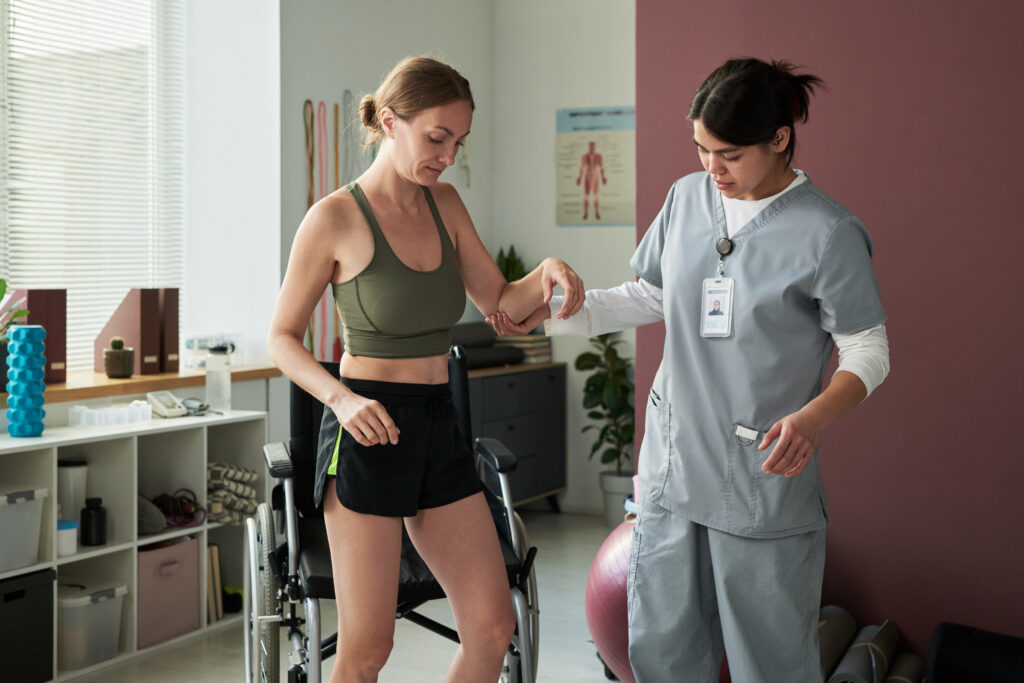
Post-Surgery Rehabilitation: A Complete Guide to Faster Recovery Surgery is often just the first step toward healing. What truly determines how well and how quickly a patient recovers is the care taken after the procedure—especially post-surgery rehabilitation. Whether it’s a joint replacement, fracture repair, or spine surgery, proper rehabilitation helps restore strength, mobility, and overall function. Many people underestimate the importance of rehabilitation, but it plays a crucial role in ensuring long-term success and preventing complications. With the right approach, patients can return to their daily activities safely and confidently. What Is Post-Surgery Rehabilitation? Post-surgery rehabilitation is a structured recovery process that begins after a surgical procedure. It includes physiotherapy, guided exercises, lifestyle adjustments, and medical supervision to help the body heal properly. The main goals of rehabilitation are: Rehabilitation programs are tailored to each patient based on their surgery, age, and overall health. Why Is Rehabilitation Important After Surgery? After surgery, the body needs time and support to recover. Without proper rehabilitation, patients may experience stiffness, weakness, or limited mobility. Here’s why rehabilitation is essential: Faster RecoveryGuided exercises and therapies help speed up the healing process. Improved MobilityRehabilitation restores joint movement and flexibility, allowing patients to move comfortably. Pain ManagementTherapies and exercises help reduce pain without relying solely on medications. Prevention of ComplicationsRehabilitation reduces the risk of issues like blood clots, muscle weakness, or joint stiffness. Better Long-Term ResultsFollowing a proper rehab plan ensures that the benefits of surgery are maintained over time. Phases of Post-Surgery Rehabilitation Recovery after surgery usually happens in stages. Each phase focuses on a specific aspect of healing. 1. Immediate Post-Surgery Phase This phase begins right after the surgery. The focus is on: Patients are usually guided by medical professionals during this stage. 2. Early Recovery Phase As healing progresses, rehabilitation becomes more active. This phase includes: The goal is to help the patient regain confidence in movement. 3. Strengthening Phase In this stage, the focus shifts to building strength and endurance. Patients may perform: This phase prepares the body for normal daily functions. 4. Advanced Recovery Phase The final stage involves returning to regular activities and, in some cases, sports or physically demanding tasks. Rehabilitation focuses on: Role of Physiotherapy in Rehabilitation Physiotherapy is a key component of post-surgery rehabilitation. Trained therapists guide patients through exercises that improve flexibility, strength, and coordination. They also monitor progress and adjust treatment plans as needed, ensuring safe and effective recovery. Tips for Faster Recovery After Surgery While professional guidance is essential, patients can also take steps to support their recovery: Consistency and patience are key factors in successful rehabilitation. Common Challenges During Rehabilitation Recovery is not always smooth, and patients may face challenges such as: These challenges are normal, and with proper guidance and persistence, they can be overcome. When to Seek Medical Advice While some discomfort is expected during recovery, certain symptoms require medical attention: Prompt medical care helps prevent complications and ensures proper healing. Long-Term Benefits of Rehabilitation Proper rehabilitation not only helps in short-term recovery but also provides lasting benefits: Patients who complete their rehabilitation programs are more likely to enjoy long-term success after surgery. Conclusion Post-surgery rehabilitation is a vital part of the healing journey. It helps patients regain strength, restore mobility, and return to their normal lives with confidence. While surgery addresses the underlying issue, rehabilitation ensures that the body heals properly and functions effectively. By following a structured rehabilitation plan and staying committed to recovery, patients can achieve faster healing and better long-term outcomes. If you or a loved one is preparing for or recovering from surgery, consulting a qualified orthopedic specialist and physiotherapist can make all the difference in your recovery journey.

Platelet-Rich Plasma Treatment
Orthospine Doctor

What Is PRP Therapy? A Complete Guide to Platelet-Rich Plasma Treatment

What Is PRP Therapy? A Complete Guide to Platelet-Rich Plasma Treatment Today’s advanced medical world has seen many patients look for treatments that not only alleviate pain but also allow the body to heal naturally. One such cutting-edge solution to orthopedic problems is PRP therapy. This relatively new treatment utilizes the body’s natural healing agents to repair damaged tissues, relieve pain, and promote recovery. PRP therapy has gained significant attention in treating joint pain, sports injuries, and musculoskeletal problems. This treatment provides a safe and non-surgical solution to many patients. What Is PRP Therapy? PRP therapy, or Platelet-Rich Plasma therapy, is a treatment that utilizes a concentrated form of platelets found in human blood. Platelets are tiny blood cells that have a significant role in the healing process. They contain growth factors that promote the repair of damaged tissues and reduce inflammation. The concentrated platelets are injected into the affected area to boost the healing process. How Does PRP Therapy Work? The procedure of PRP therapy is simple and quick, usually performed in a clinical setting. There are three main steps to the procedure: Blood CollectionA small sample of the patient’s blood is drawn, similar to a standard blood test. Processing the BloodThe blood sample is then placed in a centrifugal machine, also known as a centrifuge, to separate the platelet-rich plasma from other blood parts. Injection into the Affected AreaThe platelet-rich plasma is then injected into the injured joint, tendon, or ligament. The platelets then stimulate healing, reduce swelling, and speed up the recovery process. Conditions Treated with PRP Therapy PRP therapy is commonly used to treat a range of conditions, especially in orthopedic and sports medicine, including: PRP therapy is especially effective in treating conditions where healing is slow or incomplete with other standard treatments. Benefits of PRP Therapy There are a number of benefits of PRP therapy, and this is why it is a popular treatment among patients: Natural HealingSince PRP is a patient’s own blood, it is a natural healing system. Minimally InvasiveIt is a minimally invasive treatment, and no surgery is required. Reduction of Pain and InflammationIt reduces inflammation, and this is why patients get pain relief in the long term. Faster RecoveryThe recovery time is quick, and this is a benefit of PRP therapy. Low Risk of Side EffectsSince patients are injecting their own blood, there is no risk of side effects, and allergic reactions are unlikely to occur. What to Expect After PRP Therapy There are a few things to expect after undergoing PRP therapy, and this is why patients should know about them: There is a possibility of pain and swelling in the area where PRP was administered, and this usually goes away in a few days. Rest and avoiding physical activities are recommended by doctors, and patients should also go for physiotherapy and rehabilitation, and then resume their normal activities. How Long Do the Results Last? The results of PRP therapy can last long. This applies particularly to cases where rehabilitation and lifestyle changes are made accordingly. In some instances, a series of PRP therapy may be necessary to achieve optimal results. Is PRP Therapy Right for You? PRP therapy can work wonders for people facing a variety of conditions. PRP therapy may be right for you if: You are facing chronic joint painYou wish to avoid undergoing a surgical procedureYou have not responded well to medications or physiotherapyYou are looking for a natural form of therapy PRP therapy may not be suitable for people facing severe joint conditions. Consult an orthopedic specialist to assess your condition. PRP Therapy vs. Traditional Treatments PRP therapy provides a range of advantages over painkillers. While painkillers simply provide relief from pain, PRP therapy works on healing the condition. PRP therapy provides a range of advantages over surgeries. While surgeries require a long recovery time, PRP therapy provides a quick recovery. PRP therapy provides an ideal solution for people looking to receive long-term relief from pain. Conclusion PRP therapy is a revolutionary step in modern orthopedic care, offering a natural and effective way to treat pain and injuries. By using the body’s own healing power, it promotes tissue repair, reduces inflammation, and improves overall function. For individuals dealing with joint pain, sports injuries, or chronic conditions, PRP therapy provides a promising alternative to traditional treatments. Consulting a qualified orthopedic specialist can help determine whether this innovative therapy is the right choice for your recovery journey.

Joint Pain Treatment Bangalore
Orthospine Doctor

What Is Viscosupplementation? A Modern Treatment for Joint Pain

What Is Viscosupplementation? A Modern Treatment for Joint Pain The pain makes movements such as walking, climbing stairs, or even standing uncomfortable. This has been a challenge for many people, especially those suffering from arthritis. Though pain management through drugs or physiotherapy has been helpful, modern orthopedic treatments have introduced a non-surgical technique to overcome this condition, i.e., viscosupplementation. This technique has been popularized as an effective means to overcome joint pain, ease movements, and prevent surgeries. What is Viscosupplementation? Viscosupplementation is a technique whereby hyaluronic acid, a semi-solid substance, is injected into a joint, usually the knee. Hyaluronic acid is a component of joint fluid that has a lubricating effect on the joint. In conditions such as osteoarthritis, the amount of hyaluronic acid present in the joint fluid is reduced. This results in pain, stiffness, and reduced movements. This technique has been effective because, during viscosupplementation, hyaluronic acid is injected into the joint. This has a lubricating effect on the joint, enabling free movements. How Does Viscosupplementation Work? In a healthy joint, there are smooth cartilage surfaces, which facilitate movement. When this balance is disrupted due to wear and tear, friction occurs. This friction results in pain. Viscosupplementation helps to alleviate this by: By doing this, patients are able to experience relief without undergoing any surgical procedures. Conditions Treated with Viscosupplementation Viscosupplementation can be used to treat the following conditions: While it can be used to treat the knee joint, it can be used to treat other joints depending on the patient’s condition. What to Expect During the Procedure This is a simple outpatient procedure, and the whole process may take just a few minutes. The area is cleaned by the doctor around the joint.Using a needle, the doctor injects the hyaluronic acid into the joint.Imaging may be used to help the doctor accurately inject the solution into the joint. Generally, this is a painless procedure, and the patient is able to return home on the same day. Benefits of Viscosupplementation There are several reasons why this treatment is recommended to people with joint pain: Non-Surgical ProcedureThis is a non-surgical solution, which means the patient is able to avoid surgery. Improved MobilityThis solution allows the patient to move smoothly. Relief from Pain and StiffnessThis solution ensures that the patient is able to move without any pain. Quick Procedure with Minimal DowntimeThis solution is injected in a matter of minutes, and the patient is able to return home in no time. Long-Lasting ReliefThis solution ensures that the patient is able to enjoy the results for a long time. Who Can Benefit from This Treatment? The best candidates for viscosupplementation are those who: Suffer from mild to moderate arthritisDo not receive adequate pain relief from medication and physiotherapySeek to avoid or delay joint replacement surgerySeek a non-invasive treatment for their condition It is not recommended for those whose condition is too advanced. It is always best to consult with an orthopedic surgeon to determine the best course of treatment. Post-Treatment Care and Recovery After the procedure, patients are advised to: Avoid strenuous activities for a day or twoUse ice packs if they experience mild painGradually resume their normal activitiesResume their physiotherapy sessions By adhering to these guidelines, patients will be able to maximize the benefits of the treatment. How Long Do the Results Last? The result of the treatment varies from patient to patient. While some experience pain relief for several months, others may need to have the treatment repeated to continue experiencing the benefits. Viscosupplementation vs Other Treatments In comparison to other treatments such as painkillers and other medication that may only provide pain relief from the symptoms of the problem, viscosupplementation provides direct pain relief at the source of the problem. Another benefit is that viscosupplementation is not a surgical procedure that requires a long recovery period, as is the case with other surgical procedures. Conclusion Viscosupplementation is a modern method of treatment for joint pain that is quite effective, especially for those suffering from osteoarthritis. This method of treatment is beneficial in that it helps to restore the natural lubrication of the joints to their normal condition. For those looking for a non-surgical solution to their joint pain problems, viscosupplementation is a safe and easy way to achieve full recovery from joint pain. It is recommended that one consult with a professional and experienced orthopedic doctor to determine whether viscosupplementation is the right solution for your condition.

Scroll to Top
Call Now Button