Author name: thewebsitemakers

Non-Surgical Spine Treatment Bengaluru
Orthospine Doctor

Non-Surgical Spine Treatment Hospitals in Bengaluru

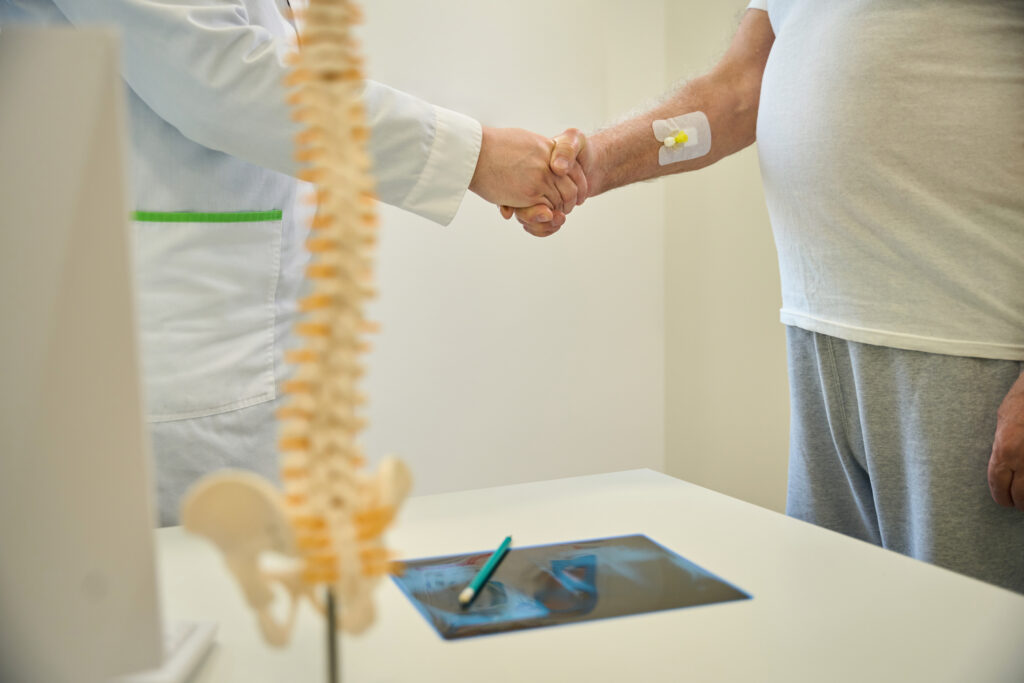
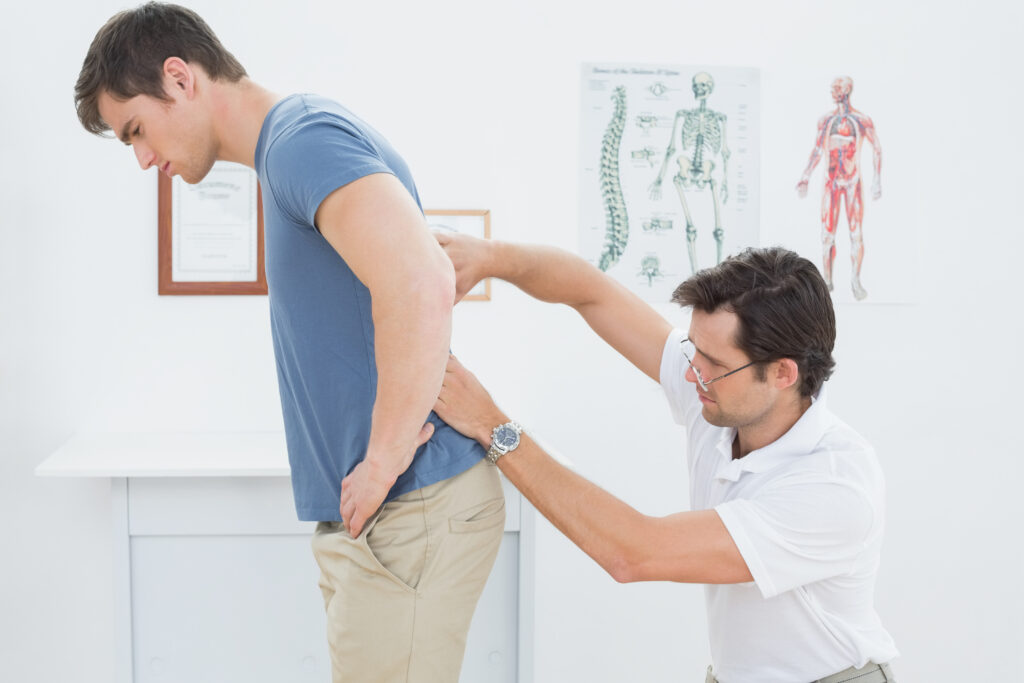
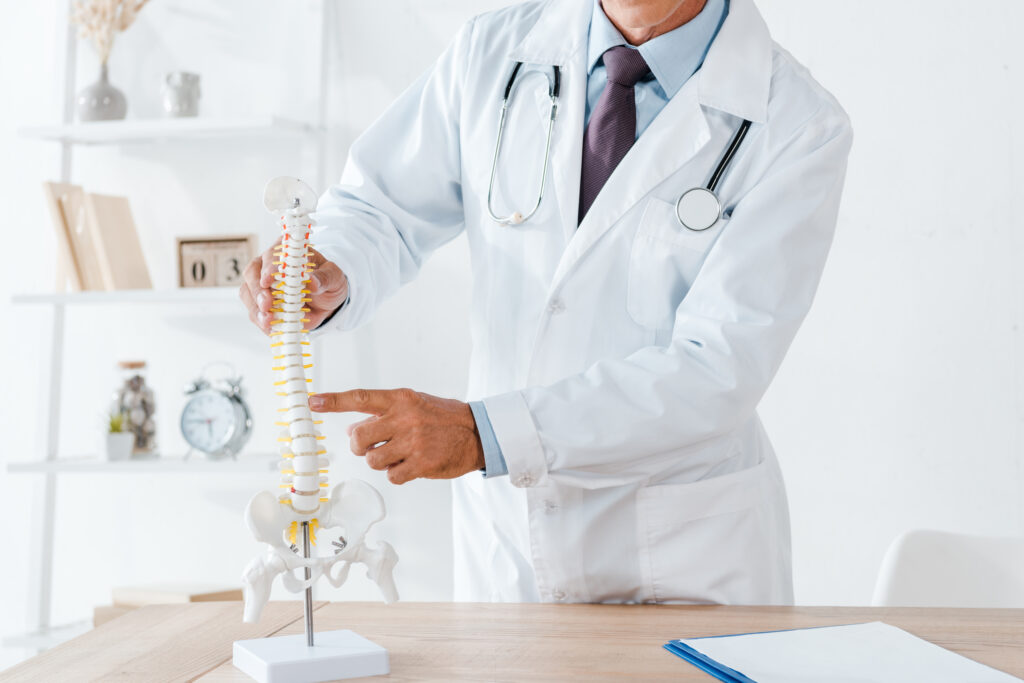
Non-Surgical Spine Treatment Hospitals in Bengaluru Back and spine problems are becoming increasingly common due to modern lifestyles, long working hours, and reduced physical activity. While many people fear that spine issues always lead to surgery, the reality is quite different. Today, most spine conditions can be effectively managed without surgery through advanced and specialized care. If you are looking for non-surgical spine treatment hospitals in Bengaluru, it’s important to understand how these treatments work and where to find the right care. Clinics like OrthoSpine Care focus on conservative, patient-friendly approaches that prioritize healing without invasive procedures. Understanding Spine Problems The spine is a complex structure made up of bones, discs, joints, and nerves. When any part of this system is affected, it can lead to pain, stiffness, or reduced mobility. Common spine-related conditions include: Many of these conditions can be treated successfully without surgery when diagnosed early. What Is Non-Surgical Spine Treatment Non-surgical spine treatment focuses on relieving pain, improving function, and promoting healing without the need for invasive procedures. These treatments are designed to address the root cause of the problem while minimizing risks and recovery time. The goal is to help patients regain mobility and return to normal life safely. Why Choose Non-Surgical Treatment Non-surgical approaches are often the first line of treatment for spine problems. They offer several benefits: Most patients experience significant relief through these methods when followed consistently. Non-Surgical Treatment Options Available Leading spine care centers in Bengaluru, including OrthoSpine Care, offer a variety of non-surgical treatments tailored to individual needs. Physiotherapy and Rehabilitation Physiotherapy is one of the most effective treatments for spine problems. It includes exercises that strengthen muscles, improve flexibility, and support the spine. Pain Management Techniques Medications and targeted therapies are used to control pain and inflammation, allowing patients to move comfortably. Postural Correction Improving posture plays a major role in reducing strain on the spine. Patients are guided on proper sitting, standing, and movement habits. Spinal Injections In some cases, injections are used to deliver medication directly to the affected area, providing targeted pain relief and reducing inflammation. Lifestyle Modifications Simple changes such as regular exercise, maintaining a healthy weight, and ergonomic adjustments can significantly improve spine health. Why OrthoSpine Care Is a Preferred Choice When it comes to non-surgical spine treatment in Bengaluru, OrthoSpine Care is known for its patient-focused approach and advanced care. The clinic emphasizes: Patients receive guidance at every step, ensuring a smooth and effective recovery journey. Importance of Early Treatment Many people ignore back pain or discomfort, assuming it will go away on its own. However, delaying treatment can lead to chronic problems and complications. Early intervention helps: Seeking timely care is essential for long-term spine health. Role of Rehabilitation in Recovery Rehabilitation is a key part of non-surgical treatment. It focuses on restoring strength, flexibility, and normal function. At OrthoSpine Care, rehabilitation programs are designed to: Consistency in rehabilitation leads to better outcomes. When to Consult a Spine Specialist You should consider consulting a specialist if you experience: Early consultation ensures proper diagnosis and effective treatment. Conclusion Non-surgical spine treatment offers a safe and effective way to manage back and spine problems without the need for surgery. With the right combination of physiotherapy, pain management, and lifestyle changes, most patients can achieve significant relief and improved mobility. If you are searching for trusted non-surgical spine treatment hospitals in Bengaluru, OrthoSpine Care provides expert care, personalized treatment, and a commitment to helping patients live pain-free. Taking the first step toward treatment can help you regain comfort, mobility, and confidence in your daily life.
Spine Care Hospitals Bengaluru
Orthospine Doctor

Top Spine Care Hospitals in Bengaluru for Joint and Nerve Pain

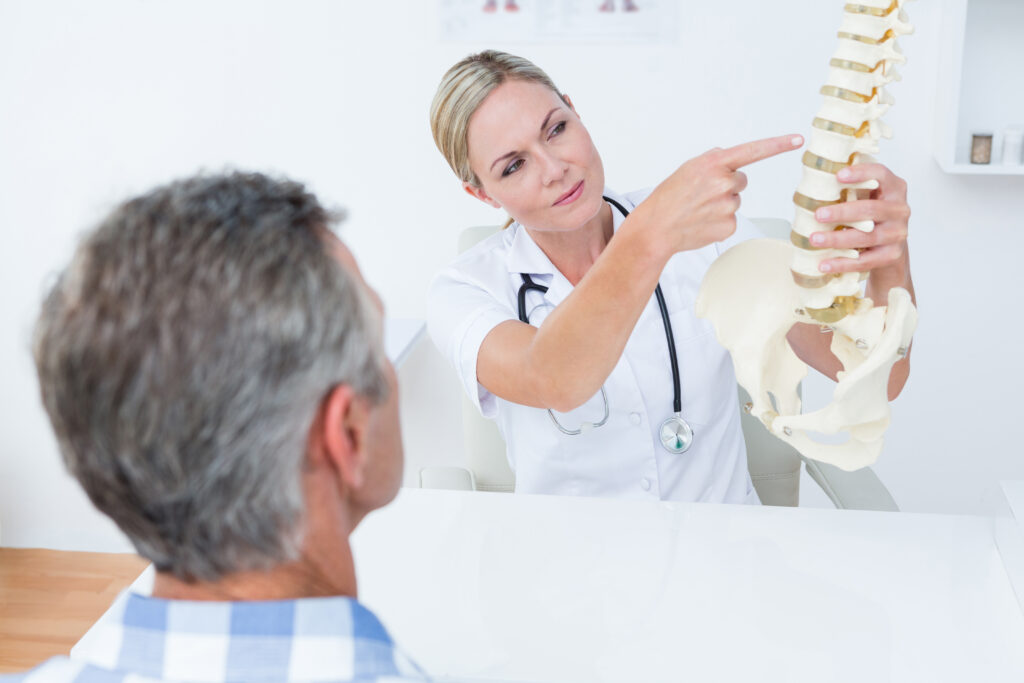
Top Spine Care Hospitals in Bengaluru for Joint and Nerve Pain Joint and nerve pain can significantly affect your daily life, making simple activities like walking, sitting, or even sleeping uncomfortable. Conditions related to the spine are often the underlying cause of such pain, and without proper treatment, they can worsen over time. If you are searching for top spine care hospitals in Bengaluru, it is important to choose a center that offers expert care, advanced treatment options, and a patient-focused approach. Among the trusted names, OrthoSpine Care stands out for its comprehensive and personalized spine and orthopedic services. Understanding Joint and Nerve Pain Joint and nerve pain often originate from problems in the spine. When spinal structures such as discs, joints, or nerves are affected, it can lead to pain that radiates to different parts of the body. Common conditions include: Understanding the root cause is the first step toward effective treatment. Why Choose a Specialized Spine Care Center Spine-related problems require specialized knowledge and precise treatment. A dedicated spine care hospital provides: Choosing the right center ensures better recovery and long-term relief. Why OrthoSpine Care Is a Trusted Choice When it comes to spine and orthopedic care in Bengaluru, OrthoSpine Care is known for delivering high-quality treatment with a patient-first approach. The clinic focuses on: With expert guidance and modern techniques, patients receive care that is both effective and compassionate. Advanced Treatment Options Available OrthoSpine Care offers a wide range of treatment options tailored to individual conditions. Non-Surgical Treatments Many spine and joint problems can be managed without surgery. These include: These treatments aim to reduce pain and improve mobility. Minimally Invasive Procedures For patients who need more advanced care, minimally invasive procedures provide effective solutions with less discomfort and quicker recovery. These techniques are commonly used for nerve compression and disc-related issues. Surgical Care In severe cases, surgery may be required. OrthoSpine Care offers advanced surgical options with a focus on precision, safety, and long-term results. Importance of Early Treatment Delaying treatment for joint or nerve pain can lead to complications and chronic conditions. Early medical care helps: Timely consultation is key to better outcomes. Personalized Care for Every Patient Every patient is different, and OrthoSpine Care believes in creating customized treatment plans based on: This personalized approach ensures effective treatment and faster recovery. Role of Rehabilitation in Recovery Recovery does not end with treatment. Rehabilitation plays a vital role in restoring strength and mobility. Physiotherapy programs at OrthoSpine Care are designed to: When to Consult a Spine Specialist You should seek medical attention if you experience: Early diagnosis helps in effective and timely treatment. Conclusion Joint and nerve pain can greatly impact your lifestyle, but with the right care, it can be effectively managed. Choosing a trusted spine care center like OrthoSpine Care in Bengaluru ensures access to advanced treatments, expert guidance, and personalized care. If you are dealing with persistent pain or mobility issues, consulting a specialist can help you find the right solution. With modern spine care and the right treatment approach, you can regain comfort, mobility, and confidence in your daily life.
Orthopaedic doctor in Bangalore
Orthospine Doctor

Best Spine Hospitals in Bengaluru for Advanced Back Pain Treatment

Best Spine Hospitals in Bengaluru for Advanced Back Pain Treatment Back pain has become one of the most common health concerns today, affecting people of all ages. Whether it’s due to long working hours, poor posture, injuries, or underlying spine conditions, persistent back pain can interfere with daily life and overall well-being. If you are searching for the best spine hospitals in Bengaluru for advanced back pain treatment, it is important to understand what quality spine care involves and how the right treatment can help you regain a pain-free life. Understanding Back Pain and Spine Health The spine plays a vital role in supporting the body and enabling movement. It consists of bones, discs, nerves, and muscles that work together to provide stability and flexibility. When any part of the spine is affected, it can lead to discomfort, stiffness, or severe pain. Back pain can range from mild to chronic and may require specialized care depending on the cause. Common Causes of Back Pain Back pain can develop due to various reasons. Some of the most common causes include: Identifying the root cause is essential for choosing the right treatment. Why Choose a Specialized Spine Hospital Spine hospitals are equipped with advanced technology and experienced specialists who focus specifically on spine-related conditions. Choosing a specialized center ensures: Specialized care helps achieve better outcomes and faster recovery. Advanced Back Pain Treatment Options Modern spine hospitals in Bengaluru offer a range of advanced treatments tailored to individual needs. Non-Surgical Treatments Most back pain conditions can be treated without surgery. These treatments focus on relieving pain and improving mobility. These methods are effective in managing many spine conditions. Minimally Invasive Spine Procedures When conservative treatments do not provide relief, minimally invasive procedures may be recommended. These techniques involve smaller incisions, reduced pain, and quicker recovery. They are widely used for treating disc problems, nerve compression, and certain spine disorders. Surgical Treatment In severe cases, surgery may be necessary to correct structural problems in the spine. Advanced surgical techniques ensure precision, safety, and improved recovery outcomes. Importance of Personalized Treatment Every patient’s condition is unique, and effective treatment requires a customized approach. Spine specialists evaluate: Based on this evaluation, a personalized treatment plan is created to achieve the best results. Role of Rehabilitation in Recovery Rehabilitation is an essential part of spine care. Physiotherapy helps restore strength, improve flexibility, and prevent recurrence of pain. A structured rehabilitation program ensures long-term recovery and better quality of life. What to Look for in the Best Spine Hospital When choosing a spine hospital in Bengaluru, consider the following factors: Selecting the right hospital can make a significant difference in your recovery journey. Benefits of Early Treatment Ignoring back pain can lead to chronic conditions and complications. Early treatment offers several benefits: Timely care helps patients return to their normal activities sooner. Regain a Pain-Free Life Back pain should not limit your lifestyle. With advanced spine care available in Bengaluru, patients have access to modern treatments that focus on long-term relief and improved mobility. Consulting the right specialist at the right time can help you regain control over your health and live without discomfort. Conclusion Choosing the best spine hospital in Bengaluru for advanced back pain treatment is a crucial step toward recovery. With expert care, modern technology, and personalized treatment plans, patients can achieve effective pain relief and long-term spine health. If you are experiencing persistent back pain, do not delay seeking medical advice. The right care can help you move better, feel stronger, and enjoy a healthier, more active life.

Nerve Root Block
Orthospine Doctor

Nerve Root Block and Facet Joint Injections: A Complete Guide

Nerve Root Block and Facet Joint Injections: A Complete Guide Back and neck pain can be frustrating, especially when it starts affecting your daily routine, sleep, or work. For many people, medications and physiotherapy provide relief—but in some cases, the pain persists due to nerve irritation or joint inflammation in the spine. This is where nerve root block and facet joint injections come in. These modern, minimally invasive treatments are designed to target the exact source of pain and provide effective relief without the need for surgery. Understanding Spine-Related Pain The spine is a complex structure made up of bones, joints, discs, and nerves. When any of these components are affected—due to injury, wear and tear, or inflammation—it can lead to persistent pain. Common conditions that cause spine-related pain include: Identifying the exact source of pain is crucial for effective treatment. What Is a Nerve Root Block? A nerve root block is a targeted injection given near a specific nerve root that is causing pain. This procedure is commonly used when a nerve is compressed or inflamed, leading to symptoms like radiating pain, numbness, or tingling. The injection typically contains a combination of a local anesthetic and an anti-inflammatory medication. It works by: Nerve root blocks are often used both for diagnosis and treatment. What Are Facet Joint Injections? Facet joints are small joints located between the bones of the spine. These joints help in movement and provide stability. When they become inflamed or degenerated, they can cause localized back or neck pain. Facet joint injections involve delivering medication directly into these joints to reduce inflammation and relieve pain. They are especially useful for: How Are These Procedures Performed? Both nerve root block and facet joint injections are quick outpatient procedures. The procedure usually takes a short time, and patients can return home the same day. Benefits of Injection Therapy These injections offer several advantages for patients dealing with chronic spine pain. Targeted Pain ReliefMedication is delivered directly to the source of pain, making it more effective. Minimally InvasiveNo surgery is required, reducing risks and recovery time. Quick RecoveryMost patients resume normal activities within a short period. Diagnostic ValueThese injections help doctors confirm the exact source of pain. Improved MobilityPain relief allows patients to move more comfortably and participate in rehabilitation. What to Expect After the Procedure After the injection, some patients may experience immediate relief due to the anesthetic. Mild soreness at the injection site is normal and usually resolves within a day or two. Doctors may advise: The full effect of the injection may take a few days to become noticeable. Who Can Benefit from These Injections? Nerve root block and facet joint injections are suitable for individuals who: A detailed evaluation by a spine specialist helps determine if this treatment is appropriate. Are These Injections Safe? When performed by experienced specialists, these procedures are generally safe. The use of imaging guidance ensures accuracy and reduces the risk of complications. As with any medical procedure, a proper consultation is important to understand benefits and potential risks. Role in Long-Term Pain Management While injections provide significant relief, they are often part of a broader treatment plan. Combining them with physiotherapy, posture correction, and lifestyle changes helps achieve long-term results. This integrated approach ensures not just pain relief but also improved spine health. When to Consult a Specialist You should consider consulting a specialist if: Early intervention can prevent the condition from worsening. Conclusion Nerve root block and facet joint injections are effective, minimally invasive treatments for managing spine-related pain. By targeting the source of discomfort, they provide relief, improve mobility, and help patients return to their normal lives. If you are struggling with persistent back or neck pain, consulting a spine specialist can help you explore the best treatment options. With the right care and guidance, lasting relief is possible without the need for major surgery.

Orthopaedic care Bangalore
Orthospine Doctor

Arthritis Management: Effective Care for Joint Pain and Rheumatoid Conditions

Arthritis Management: Effective Care for Joint Pain and Rheumatoid Conditions Joint pain can quietly take over your daily life—making simple things like walking, climbing stairs, or even holding objects uncomfortable. One of the most common reasons behind persistent joint pain is arthritis, a condition that affects millions of people across all age groups. The good news is that with the right approach, arthritis can be effectively managed. Whether it’s wear-and-tear arthritis or autoimmune conditions like rheumatoid arthritis, modern treatments and lifestyle changes can help you stay active and live with less pain. Understanding Arthritis Arthritis is a general term used to describe inflammation of the joints. It can affect one or multiple joints, leading to pain, stiffness, and reduced mobility. Two of the most common types include: OsteoarthritisThis occurs due to gradual wear and tear of the joint cartilage, usually as a result of aging or long-term stress on joints. Rheumatoid ArthritisThis is an autoimmune condition where the body’s immune system attacks healthy joint tissues, causing inflammation and damage. While both conditions affect joints, their causes and treatment approaches differ. Common Causes of Arthritis Arthritis can develop due to a combination of factors. Age is a major contributor, as joint tissues naturally weaken over time. In rheumatoid arthritis, immune system dysfunction plays a key role. Other contributing factors include: Understanding these causes helps in managing the condition more effectively. Symptoms You Should Not Ignore Arthritis symptoms often develop gradually and may worsen over time if left untreated. Common symptoms include: In rheumatoid arthritis, symptoms may also include fatigue and involvement of multiple joints simultaneously. Importance of Early Diagnosis Early diagnosis plays a crucial role in controlling arthritis and preventing joint damage. Identifying the condition in its early stages allows for timely treatment, which can slow disease progression and improve quality of life. Consulting a specialist when symptoms first appear helps avoid complications and long-term joint damage. Treatment Options for Arthritis Arthritis management focuses on reducing pain, improving joint function, and maintaining mobility. Medications Doctors may prescribe medications to control pain and inflammation. In rheumatoid arthritis, specific medications help regulate the immune response. Physiotherapy Physiotherapy is a key part of arthritis management. It includes exercises that strengthen muscles, improve flexibility, and support joint stability. Lifestyle Modifications Maintaining a healthy weight reduces stress on joints. Regular physical activity helps keep joints flexible and improves overall health. Injection Therapy In some cases, injections are used to provide targeted pain relief and reduce inflammation in affected joints. Surgical Options When joint damage becomes severe and affects daily activities, surgical procedures such as joint replacement may be recommended. Managing Rheumatoid Arthritis Rheumatoid arthritis requires a comprehensive and long-term management plan. Early treatment helps prevent joint damage and maintain function. Regular monitoring, medication adherence, and lifestyle changes are essential for controlling symptoms and maintaining joint health. Daily Tips for Better Joint Health Living with arthritis becomes easier with simple lifestyle changes: Consistency in these habits can significantly improve joint function and reduce pain. When to See a Specialist You should consult a doctor if: Early medical care ensures proper diagnosis and effective treatment. Conclusion Arthritis may be a long-term condition, but it does not have to control your life. With modern treatment options, proper care, and healthy lifestyle habits, it is possible to manage joint pain and maintain mobility. Whether you are dealing with osteoarthritis or rheumatoid arthritis, early diagnosis and a personalized treatment plan can help you stay active, reduce discomfort, and improve your quality of life. Taking the right steps today can lead to stronger, healthier joints in the future.

Ligament Injuries
Orthospine Doctor

Common Ligament Injuries and Their Recovery Process

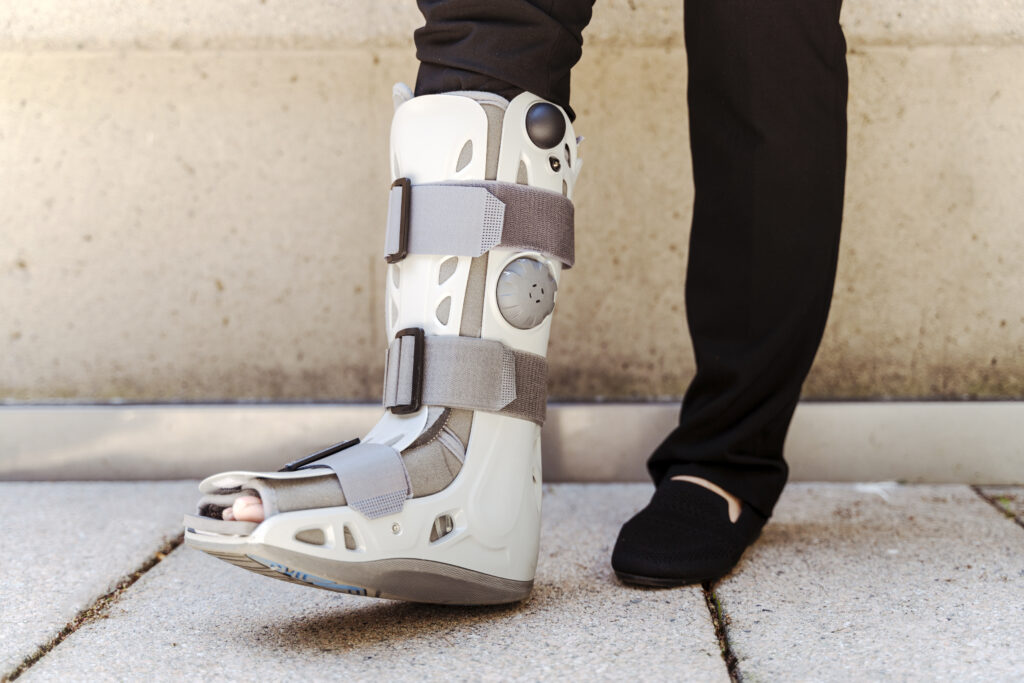
Common Ligament Injuries and Their Recovery Process Ligaments are strong, flexible bands of tissue that connect bones and provide stability to joints. They play a crucial role in maintaining balance and allowing smooth movement. However, due to sudden twists, sports activities, or accidents, ligaments can get stretched or torn, leading to pain and limited mobility. Ligament injuries are common among athletes, active individuals, and even people performing daily activities. Understanding these injuries and their recovery process can help ensure proper healing and prevent long-term complications. What Are Ligament Injuries A ligament injury occurs when a ligament is overstretched or torn. These injuries are commonly referred to as sprains and can range from mild to severe. Ligament injuries are usually classified into three grades: The severity of the injury determines the type of treatment and recovery time. Common Types of Ligament Injuries Ligament injuries can affect different joints in the body, depending on the activity and mechanism of injury. Ankle SprainOne of the most common ligament injuries, ankle sprains occur when the foot twists or rolls unexpectedly. This can happen during sports, walking on uneven surfaces, or sudden movements. ACL Injury (Knee Ligament)The anterior cruciate ligament (ACL) is a key stabilizing ligament in the knee. ACL injuries often occur during sports that involve jumping, sudden stops, or changes in direction. Wrist Ligament InjuryThese injuries are usually caused by falls where a person lands on their hands. They can lead to pain, swelling, and reduced wrist movement. Shoulder Ligament InjuryShoulder injuries may occur due to heavy lifting, sports activities, or trauma. They can affect the stability and range of motion of the shoulder joint. Symptoms of Ligament Injuries Although symptoms may vary depending on the location and severity, common signs include: Recognizing these symptoms early helps in timely treatment. Diagnosis of Ligament Injuries Doctors diagnose ligament injuries through physical examination and imaging tests when necessary. They assess joint stability, movement, and pain levels. In some cases, imaging techniques such as MRI scans are used to evaluate the extent of ligament damage. Accurate diagnosis is essential for planning the right treatment and recovery process. Treatment Options Treatment for ligament injuries depends on the severity of the injury. Rest and Initial Care In the early stage, rest is crucial to prevent further damage. Applying ice, compression, and elevation can help reduce swelling and pain. Physiotherapy Physiotherapy plays a vital role in recovery. It includes exercises that strengthen the muscles around the joint, improve flexibility, and restore normal movement. Medications Pain-relieving and anti-inflammatory medications may be prescribed to manage discomfort. Bracing or Support In some cases, braces or supports are used to stabilize the joint during healing. Surgical Treatment Severe ligament injuries, especially complete tears, may require surgical repair or reconstruction. Modern techniques ensure better outcomes and faster recovery. The Recovery Process Recovery from ligament injuries happens in stages and requires patience and consistency. Initial PhaseThe focus is on reducing pain and swelling. Movement is limited to allow the ligament to heal. Rehabilitation PhaseGradual exercises are introduced to improve flexibility and strength. Physiotherapy helps restore joint function. Strengthening PhaseMore advanced exercises are added to rebuild muscle strength and stability. Return to ActivityOnce the joint regains strength and mobility, patients can slowly return to normal activities or sports under medical guidance. Recovery time varies from a few weeks for mild injuries to several months for severe cases. Preventing Ligament Injuries While not all injuries can be prevented, certain measures can reduce the risk: These steps help protect joints and improve overall stability. When to See a Doctor It is important to seek medical attention if: Early treatment helps prevent complications and ensures proper healing. Conclusion Ligament injuries are common but can be effectively treated with timely care and proper rehabilitation. Understanding the recovery process helps patients stay patient, follow treatment plans, and achieve better outcomes. With the right combination of medical care, physiotherapy, and preventive measures, most individuals can fully recover and return to their normal activities. If you experience joint pain or suspect a ligament injury, consulting an orthopedic specialist is the best step toward safe and complete recovery.

Bone joint specialist
Orthospine Doctor

Understanding Tendonitis and Common Musculoskeletal Conditions

Understanding Tendonitis and Common Musculoskeletal Conditions Pain in muscles, joints, or tendons can make even simple daily activities difficult. Many people experience discomfort due to overuse, poor posture, or injuries, but often ignore the early signs. Two common causes of such pain are tendonitis and other musculoskeletal conditions. Understanding these issues can help you seek timely treatment and prevent long-term complications. What Is Tendonitis Tendonitis is the inflammation or irritation of a tendon, which is the thick tissue that connects muscles to bones. Tendons play a crucial role in movement, and when they become inflamed, it can lead to pain and restricted motion. Tendonitis usually develops due to repetitive movements or overuse of a particular joint. It commonly affects areas like the shoulder, elbow, wrist, knee, and ankle. Common Causes of Tendonitis Tendonitis can occur for several reasons, often related to daily activities or physical strain. Repetitive motion is one of the main causes, especially in jobs or sports that require repeated use of certain joints. Other contributing factors include: Understanding these causes can help in preventing the condition. Symptoms of Tendonitis The symptoms of tendonitis usually develop gradually and may worsen over time if not treated. Common signs include: Early recognition of these symptoms can help in faster recovery. What Are Musculoskeletal Conditions Musculoskeletal conditions refer to problems affecting bones, muscles, joints, ligaments, and tendons. These conditions can range from mild discomfort to severe pain that limits mobility. They may develop due to injury, overuse, aging, or underlying medical conditions. Musculoskeletal disorders are one of the leading causes of physical disability worldwide. Common Musculoskeletal Conditions Several musculoskeletal conditions can affect individuals of all ages. Muscle StrainThis occurs when muscles are stretched or torn due to overuse or sudden movements. Ligament InjuriesLigaments connect bones to each other. Injuries such as sprains can cause pain and instability in joints. Joint DisordersConditions like arthritis cause joint pain, stiffness, and inflammation. Back and Neck PainPoor posture, prolonged sitting, or spinal issues can lead to chronic discomfort. Tendon InjuriesApart from tendonitis, tendons may also develop tears or degeneration over time. Risk Factors Certain factors increase the likelihood of developing tendonitis and musculoskeletal disorders: Managing these risk factors can help reduce the chances of developing these conditions. Diagnosis and Evaluation Doctors diagnose tendonitis and musculoskeletal conditions through physical examination and medical history. They assess the affected area for pain, swelling, and movement limitations. In some cases, imaging tests such as X-rays or MRI scans may be recommended to understand the severity of the condition. Treatment Options Treatment focuses on relieving pain, reducing inflammation, and restoring normal movement. Rest and Activity Modification Avoiding activities that cause strain helps the affected area heal. Physiotherapy Physical therapy is one of the most effective treatments. It includes exercises to strengthen muscles, improve flexibility, and support joint function. Medications Doctors may prescribe medications to reduce pain and inflammation. Injection Therapy In certain cases, injections may be used to provide targeted relief and promote healing. Advanced Treatments For severe or chronic conditions, advanced procedures or surgical options may be considered. Preventing Tendonitis and Musculoskeletal Disorders Prevention plays a key role in maintaining long-term musculoskeletal health. Simple steps can make a big difference: These habits help protect muscles, joints, and tendons from strain. When to See a Doctor It is important to consult a specialist if: Early medical care ensures proper treatment and faster recovery. Conclusion Tendonitis and musculoskeletal conditions are common but manageable with the right care and attention. Ignoring early symptoms can lead to chronic pain and reduced mobility. By understanding the causes, recognizing symptoms, and adopting preventive measures, you can protect your musculoskeletal health. If you experience persistent pain or discomfort, consulting an orthopedic specialist can help you receive the right diagnosis and treatment for a healthier, more active life.

Joint pain doctor Bangalore
Orthospine Doctor

Rotator Cuff Injuries: Causes, Symptoms, and Treatment Options

Rotator Cuff Injuries: Causes, Symptoms, and Treatment Options Shoulder pain is a common problem that can affect daily activities like lifting, reaching, or even sleeping comfortably. One of the most frequent causes of shoulder pain is a rotator cuff injury. This condition affects the group of muscles and tendons that stabilize the shoulder joint and allow smooth arm movement. Understanding the causes, symptoms, and treatment options for rotator cuff injuries can help you take timely action and prevent long-term complications. What Is a Rotator Cuff Injury The rotator cuff is a group of four muscles and tendons that surround the shoulder joint. These structures work together to keep the shoulder stable and enable movements such as lifting and rotating the arm. A rotator cuff injury occurs when one or more of these tendons are irritated, inflamed, or torn. The injury can range from mild strain to a complete tear, depending on the severity. Common Causes of Rotator Cuff Injuries Rotator cuff injuries can develop due to various reasons. One of the most common causes is repetitive overhead movements, especially in activities like sports, lifting, or manual work. Age-related wear and tear also plays a major role. As people grow older, tendons become weaker and more prone to injury. Other causes include: Identifying the cause helps in choosing the right treatment plan. Symptoms You Should Not Ignore Rotator cuff injuries often develop gradually, but in some cases, pain may appear suddenly after an injury. Common symptoms include: If these symptoms persist, it is important to consult a specialist for proper evaluation. How Rotator Cuff Injuries Are Diagnosed Doctors diagnose rotator cuff injuries through a combination of physical examination and imaging tests. They assess shoulder movement, strength, and pain levels. In some cases, imaging tests such as X-rays or MRI scans may be used to determine the extent of the injury. Accurate diagnosis ensures effective and targeted treatment. Treatment Options for Rotator Cuff Injuries Treatment depends on the severity of the injury and the patient’s overall condition. Most cases can be managed without surgery. Non-Surgical Treatments Mild to moderate injuries are usually treated with conservative methods such as: These treatments help improve mobility and reduce discomfort. Injection Therapy In some cases, doctors may recommend injections to reduce inflammation and provide targeted pain relief. Surgical Treatment For severe tears or when non-surgical treatments do not provide relief, surgery may be required. Modern surgical techniques are minimally invasive and aim to repair the damaged tendon while ensuring faster recovery. Role of Rehabilitation in Recovery Rehabilitation is an essential part of recovery from rotator cuff injuries. Physiotherapy helps restore strength, flexibility, and normal shoulder function. Patients are guided through exercises that gradually improve movement and prevent future injuries. Preventing Rotator Cuff Injuries Preventive care can significantly reduce the risk of shoulder injuries. Some helpful tips include: These measures help protect the shoulder joint and maintain long-term health. When to See a Doctor It is important to seek medical advice if: Early treatment helps prevent further damage and speeds up recovery. Conclusion Rotator cuff injuries are a common cause of shoulder pain but can be effectively managed with timely diagnosis and proper treatment. Whether the injury is mild or severe, modern orthopedic care offers a range of solutions to restore movement and reduce pain. With the right care, rehabilitation, and preventive measures, most patients can recover fully and return to their normal activities. If you are experiencing shoulder pain, consulting a specialist can help you find the best treatment for long-term relief and improved mobility.

spine specialist Bangalore
Orthospine Doctor

Osteoporosis Treatment: Strengthening Bones for a Healthier Life

Osteoporosis Treatment: Strengthening Bones for a Healthier Life Bones are the foundation of our body, providing structure, support, and protection. As we age, maintaining bone strength becomes increasingly important. One common condition that affects bone health is osteoporosis, a disorder that weakens bones and makes them more prone to fractures. The good news is that with early detection and the right treatment approach, osteoporosis can be effectively managed, helping individuals maintain an active and healthy lifestyle. What Is Osteoporosis Osteoporosis is a condition in which bones lose density and become fragile. This happens when the body loses too much bone mass or does not produce enough new bone to maintain strength. As a result, even minor falls or everyday activities can lead to fractures, especially in areas like the hip, spine, and wrist. Causes of Osteoporosis Several factors contribute to the development of osteoporosis. Aging is one of the main causes, as bone density naturally decreases over time. Hormonal changes, especially in women after menopause, also play a significant role. Other contributing factors include poor nutrition, lack of physical activity, certain medical conditions, and long-term use of specific medications. Lifestyle habits such as smoking and excessive alcohol consumption can further weaken bones. Symptoms and Warning Signs Osteoporosis is often called a “silent disease” because it may not show symptoms in the early stages. Many people are unaware of the condition until a fracture occurs. However, some warning signs may include: Recognizing these signs early can help in timely diagnosis and treatment. Importance of Early Diagnosis Early detection is crucial in managing osteoporosis effectively. Bone density tests are commonly used to assess bone strength and identify the risk of fractures. Regular screening is especially important for older adults and individuals with risk factors. Early diagnosis allows doctors to begin treatment before significant bone loss occurs. Treatment Options for Osteoporosis Osteoporosis treatment focuses on strengthening bones, reducing fracture risk, and improving overall bone health. Medications Doctors may prescribe medications that help slow bone loss or increase bone formation. These medications play a key role in managing osteoporosis and preventing complications. Calcium and Vitamin D Intake Proper nutrition is essential for bone health. Calcium helps build and maintain strong bones, while vitamin D improves calcium absorption. A balanced diet or supplements may be recommended based on individual needs. Exercise and Physical Activity Regular exercise is one of the most effective ways to strengthen bones. Weight-bearing exercises, strength training, and balance exercises help improve bone density and reduce the risk of falls. Lifestyle Modifications Healthy lifestyle choices can significantly impact bone health. Avoiding smoking, limiting alcohol intake, and maintaining a healthy weight are important steps in managing osteoporosis. Fall Prevention Strategies Since fractures are a major concern, preventing falls is an important part of treatment. Making the home environment safe, improving balance, and using assistive devices when needed can reduce the risk of injury. Living with Osteoporosis Managing osteoporosis requires ongoing care and attention. Regular check-ups, adherence to treatment plans, and maintaining a healthy lifestyle are essential for long-term bone health. With proper management, individuals can continue to stay active and maintain independence. Preventing Osteoporosis Prevention is always better than treatment. Building strong bones from a young age through proper nutrition and physical activity can reduce the risk of osteoporosis later in life. Even for adults, adopting healthy habits can help slow down bone loss and maintain strength. When to Consult a Specialist It is important to seek medical advice if you experience symptoms or have risk factors for osteoporosis. Early consultation helps in proper diagnosis and effective management. An orthopedic specialist can guide you through screening, treatment options, and preventive measures tailored to your condition. Conclusion Osteoporosis may weaken bones, but it does not have to limit your life. With modern treatment options, proper nutrition, regular exercise, and early diagnosis, it is possible to strengthen bones and reduce the risk of fractures. Taking proactive steps toward bone health can help you live a stronger, healthier, and more active life. If you are concerned about your bone health, consulting a specialist is the first step toward effective prevention and treatment.

Sports injury recovery solutions
Orthospine Doctor

Common Congenital Orthopedic Deformities and How They Are Treated

Common Congenital Orthopedic Deformities and How They Are Treated Congenital orthopedic deformities are musculoskeletal conditions that are present at birth and affect the normal shape, alignment, or movement of bones, joints, or limbs. These conditions may vary from mild abnormalities to more complex deformities that require specialized treatment. Early diagnosis and proper orthopedic care are essential to ensure healthy growth, normal movement, and better long-term outcomes for children. With advances in pediatric orthopedics, many congenital deformities can now be effectively treated, allowing children to lead active and healthy lives. What Are Congenital Orthopedic Deformities? Congenital orthopedic deformities develop during pregnancy when bones, joints, or muscles do not form normally. These conditions are not caused by anything parents do during pregnancy and often occur naturally due to developmental factors, genetics, or limited space in the womb. Some deformities are visible immediately after birth, while others become more noticeable as the child grows. Common Types of Congenital Orthopedic Deformities Several congenital orthopedic deformities commonly affect infants and children. Clubfoot Clubfoot is one of the most common congenital deformities. In this condition, the baby’s foot is twisted inward or downward instead of pointing straight. Without treatment, clubfoot can make walking difficult. Fortunately, early intervention usually produces excellent results. Bow Legs Bow legs occur when a child’s legs curve outward at the knees, creating a bowed appearance. Mild bowing is common in toddlers and often corrects naturally, but severe or persistent bowing may require medical attention. Knock Knees Knock knees occur when the knees touch each other while the ankles remain apart. This condition may improve naturally during growth, but persistent cases may need evaluation. Developmental Dysplasia of the Hip (DDH) This condition happens when the hip joint does not fit properly into the hip socket. If untreated, it can affect walking and long-term joint stability. Limb Length Differences Some children are born with one leg or arm shorter than the other. Depending on severity, this may require monitoring or corrective treatment. Causes of Congenital Deformities The exact cause is not always known, but several factors may contribute: In many cases, no clear cause is identified. Signs Parents Should Watch For Early recognition is important. Parents should seek evaluation if they notice: Early orthopedic consultation improves treatment success. How Are These Conditions Diagnosed? Doctors diagnose congenital deformities through physical examination and imaging studies when needed. Diagnosis may include: Accurate diagnosis helps determine the most suitable treatment plan. Treatment Options for Congenital Orthopedic Deformities Treatment depends on the type, severity, and age of the child. Casting and Bracing Many deformities such as clubfoot can be corrected with special casting methods followed by braces to maintain correction. Physiotherapy Physical therapy helps strengthen muscles, improve flexibility, and support healthy joint movement. Orthopedic Devices Custom braces, special shoes, or supportive devices may be used to improve alignment and walking. Observation and Monitoring Some mild deformities improve naturally as children grow and only require regular follow-up. Surgical Correction In severe or complex cases, surgery may be necessary to correct bone position, joint alignment, or limb differences. Importance of Early Treatment Early treatment offers major benefits because children’s bones are still developing and easier to correct. Timely care helps: Delayed treatment may make correction more difficult later. Life After Treatment Most children respond very well to treatment and go on to live normal, active lives. Regular follow-up visits ensure progress is monitored as the child grows. Parents play an important role by following medical advice, attending scheduled appointments, and supporting rehabilitation when needed. Conclusion Congenital orthopedic deformities can seem alarming for parents, but many of these conditions are highly treatable with early diagnosis and specialized pediatric orthopedic care. Whether it is clubfoot, bow legs, hip dysplasia, or other deformities, modern treatments offer excellent outcomes and help children grow with healthy movement and confidence. If you notice any unusual bone or joint development in your child, consulting a pediatric orthopedic specialist early can make all the difference in ensuring a strong and healthy future.

Scroll to Top
Call Now Button