
Orthopaedic Doctor in Bangalore for Slip Disc and Sciatica Treatment
Back pain is one of the most common health concerns affecting people of all ages today. Long working hours, poor posture, sedentary lifestyles, heavy lifting, and spinal problems can all contribute to chronic discomfort. Among the most painful spinal conditions are slip disc and sciatica, both of which can significantly affect mobility and daily activities.
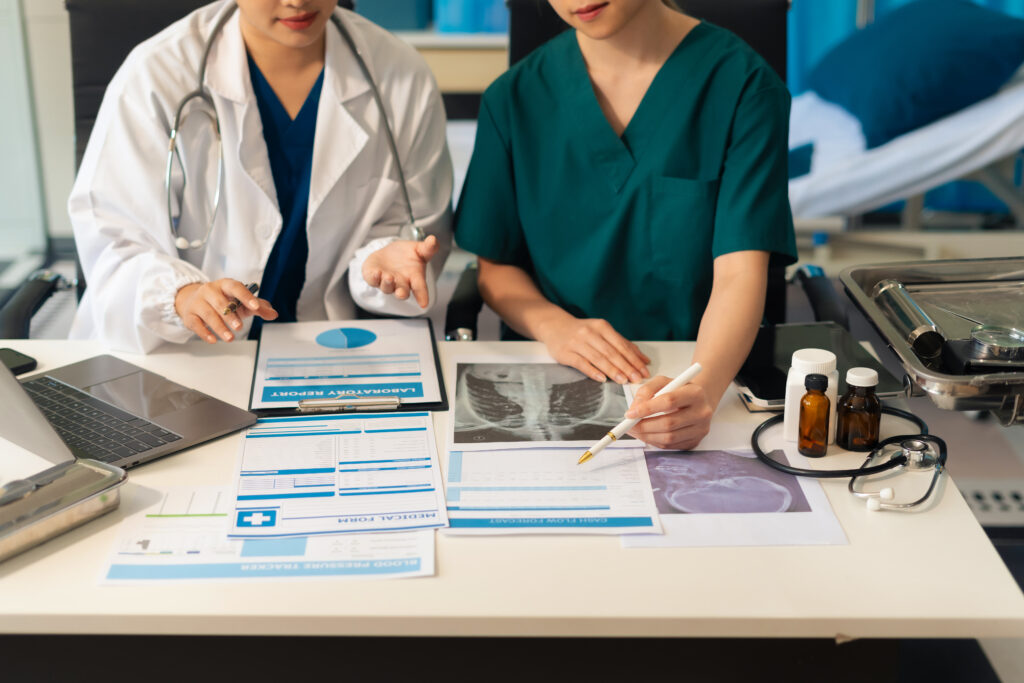
Consulting an experienced orthopaedic doctor in Bangalore for slip disc and sciatica treatment can help you receive an accurate diagnosis, effective pain relief, and a personalized recovery plan that improves your quality of life.
Understanding Slip Disc and Sciatica
Although slip disc and sciatica are often mentioned together, they are not exactly the same condition.
What Is a Slip Disc?
A slip disc, also known as a herniated or prolapsed disc, occurs when the soft inner portion of a spinal disc pushes through its outer layer. This can irritate nearby nerves and cause severe pain or numbness.
Slip discs commonly occur in the:
- Lower back (lumbar spine)
- Neck (cervical spine)
What Is Sciatica?
Sciatica refers to pain caused by irritation or compression of the sciatic nerve, the longest nerve in the body.
The pain usually starts in the lower back and travels through:
- Buttocks
- Hips
- Legs
- Feet
A slip disc is one of the most common causes of sciatica.
Common Symptoms of Slip Disc and Sciatica
Symptoms can vary depending on the severity and location of the problem.
Slip Disc Symptoms
- Severe lower back pain
- Neck pain
- Muscle weakness
- Numbness or tingling
- Pain while bending or lifting
Sciatica Symptoms
- Sharp pain radiating down the leg
- Burning sensation in the lower limb
- Tingling or numbness
- Difficulty walking or standing
- Pain worsening while sitting
If these symptoms persist, it is important to seek orthopaedic evaluation early.
Causes of Slip Disc and Sciatica
Several factors can increase the risk of developing spinal problems.
Common Causes Include
- Poor posture
- Prolonged sitting
- Heavy lifting
- Age-related disc degeneration
- Obesity
- Sedentary lifestyle
- Sudden injuries or accidents
- Weak core muscles
Modern desk jobs and inactive routines have made these conditions increasingly common among younger adults as well.
Importance of Early Diagnosis
Ignoring back pain or nerve-related symptoms may lead to worsening nerve compression and long-term mobility issues.
An experienced orthopaedic doctor can perform:
- Physical examination
- Neurological assessment
- Spine evaluation
- Imaging tests like MRI or X-rays
Accurate diagnosis helps determine the most suitable treatment approach and prevents complications.
Non-Surgical Treatment Options
Many cases of slip disc and sciatica can be treated successfully without surgery.
Physiotherapy and Rehabilitation
Physiotherapy helps strengthen spinal muscles, improve flexibility, and reduce pressure on nerves.
Treatment may include:
- Stretching exercises
- Core strengthening
- Posture correction
- Mobility training
Medications
Doctors may prescribe medications to reduce:
- Pain
- Muscle spasms
- Inflammation
Lifestyle Modifications
Simple changes can greatly improve spine health, such as:
- Maintaining proper posture
- Avoiding prolonged sitting
- Weight management
- Regular exercise
Pain Management Injections
Advanced pain management procedures may include:
- Nerve root blocks
- Epidural injections
- Facet joint injections
These minimally invasive treatments help reduce inflammation and nerve irritation effectively.
Minimally Invasive Spine Treatments
If conservative treatments do not provide relief, advanced minimally invasive procedures may be recommended.
Benefits of Minimally Invasive Spine Surgery
- Smaller incisions
- Less tissue damage
- Faster recovery
- Reduced pain after surgery
- Shorter hospital stay
These advanced techniques are highly effective for selected patients with severe disc problems or nerve compression.
Importance of Rehabilitation After Treatment
Recovery from slip disc or sciatica does not end with pain relief alone. Rehabilitation is essential for restoring mobility and preventing future recurrence.
A proper rehabilitation program focuses on:
- Improving flexibility
- Strengthening spinal muscles
- Correcting posture
- Preventing future injuries
- Restoring daily movement safely
Long-term spine care plays a major role in maintaining an active and pain-free lifestyle.
Preventing Slip Disc and Sciatica
Certain healthy habits can reduce the risk of spinal problems.
Spine Care Tips
- Sit with proper posture
- Avoid lifting heavy objects incorrectly
- Exercise regularly
- Maintain healthy body weight
- Strengthen core muscles
- Take breaks during long sitting hours
- Use ergonomic workstations
Preventive care is especially important for individuals with sedentary jobs.
When Should You Visit an Orthopaedic Doctor?
You should consult an orthopaedic specialist immediately if you experience:
- Persistent lower back pain
- Pain radiating down the legs
- Numbness or tingling
- Difficulty walking
- Muscle weakness
- Pain affecting sleep or daily activities
Early treatment improves recovery outcomes and reduces the risk of complications.
Personalized Spine Care for Long-Term Relief
Every patient’s spine condition is unique. Experienced orthopaedic doctors provide individualized treatment plans based on:
- Severity of symptoms
- Lifestyle and work habits
- Age and activity level
- Overall spine health
A patient-focused approach ensures effective treatment and long-term spinal wellness.
Conclusion
Slip disc and sciatica can severely impact mobility, productivity, and quality of life if left untreated. Consulting an experienced orthopaedic doctor in Bangalore for slip disc and sciatica treatment can help you receive accurate diagnosis, advanced treatment options, and personalized rehabilitation support.
Whether through non-surgical therapies, physiotherapy, pain management procedures, or minimally invasive spine surgery, timely orthopaedic care can help restore comfort, movement, and confidence in daily life.