
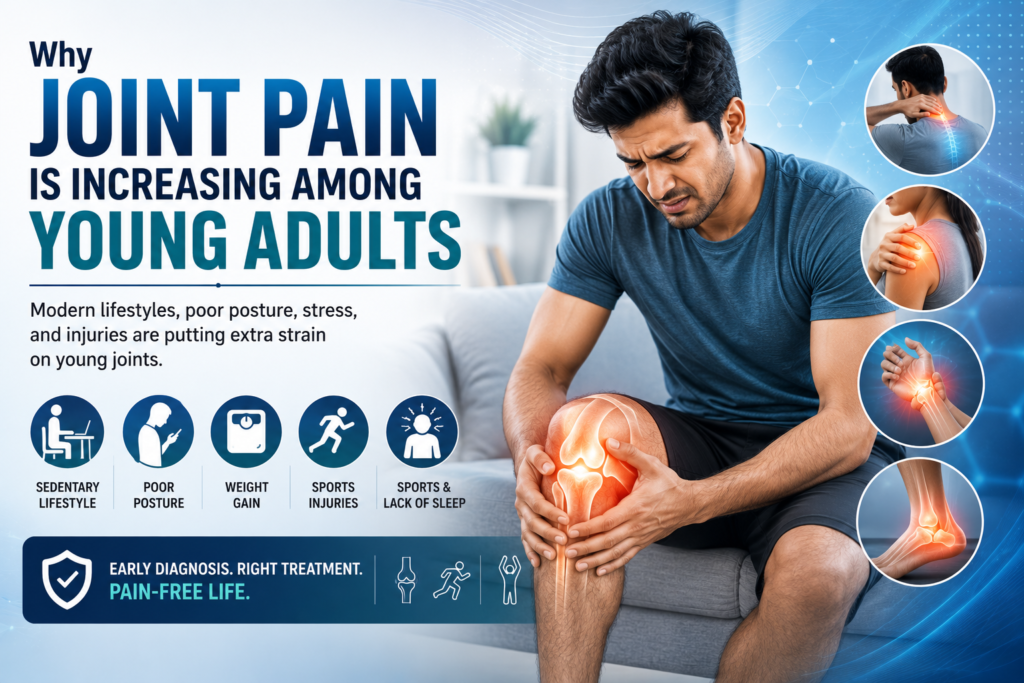
Why Joint Pain Is Increasing Among Young Adults
Joint pain was once considered a problem that mainly affected older adults. Today, however, an increasing number of people in their 20s, 30s, and early 40s are experiencing persistent joint pain, stiffness, and reduced mobility. Whether it’s knee pain after climbing stairs, shoulder discomfort while working, or wrist pain from long hours on a computer, these issues are becoming more common among young adults.
Modern lifestyles, sedentary jobs, poor posture, unhealthy eating habits, and sports injuries are some of the major reasons behind this growing trend. While occasional joint discomfort may not seem serious, persistent pain should never be ignored. Early diagnosis and appropriate treatment can prevent long-term damage and help maintain an active lifestyle.
At OrthoSpineCare in Bangalore, experienced orthopedic specialists help patients identify the root cause of joint pain and provide personalized treatment plans to restore movement and improve quality of life.
Why Are Young Adults Experiencing More Joint Pain?
Several lifestyle and health factors contribute to the rise in joint pain among younger individuals.
Unlike age-related arthritis, many cases in young adults are linked to daily habits that place excessive stress on the joints over time.
Understanding these causes can help you protect your joints before serious problems develop.
Poor Posture
One of the biggest contributors to joint pain is poor posture.
Many young professionals spend long hours sitting in front of computers or looking down at smartphones. Slouching, rounded shoulders, and improper sitting positions place additional strain on the spine, shoulders, hips, and knees.
Over time, poor posture can lead to muscle imbalance, joint stress, and chronic pain.
Sedentary Lifestyle
Modern work environments often require prolonged sitting with very little physical activity.
Lack of movement weakens the muscles that support your joints, making them more vulnerable to injury and discomfort.
Regular physical activity helps maintain flexibility, muscle strength, and healthy joint function.
Obesity and Weight Gain
Excess body weight increases pressure on weight-bearing joints, particularly the knees, hips, and lower back.
Even a small increase in body weight can significantly raise the stress placed on your joints during everyday activities such as walking or climbing stairs.
Maintaining a healthy weight helps reduce joint strain and lowers the risk of long-term joint damage.
Sports and Fitness Injuries
Exercise is beneficial for overall health, but improper training techniques or overtraining can lead to injuries.
Common sports-related joint injuries include:
- Ligament sprains
- Tendon injuries
- Meniscus tears
- Shoulder injuries
- Ankle sprains
Ignoring these injuries can lead to chronic joint pain and instability.
Repetitive Movements
Repeating the same movements every day—whether typing, lifting, driving, or using machinery—can gradually irritate joints and surrounding tissues.
This repetitive stress may contribute to tendonitis and other overuse injuries.
Taking regular breaks and using proper ergonomics can reduce the risk.
Nutritional Deficiencies
Healthy joints require proper nutrition.
Deficiencies in calcium, vitamin D, protein, and other essential nutrients may weaken bones and muscles, increasing the likelihood of joint pain.
A balanced diet plays an important role in maintaining strong bones and healthy joints.
Stress and Lack of Sleep
Chronic stress and poor-quality sleep can increase inflammation and make the body more sensitive to pain.
Inadequate rest also slows tissue repair, delaying recovery from minor injuries.
Managing stress and getting sufficient sleep are important for overall musculoskeletal health.
Early Arthritis
Although arthritis is more common with aging, some forms—such as rheumatoid arthritis and certain inflammatory joint conditions—can affect younger adults.
Early diagnosis is essential to prevent permanent joint damage and preserve mobility.
Common Symptoms You Shouldn’t Ignore
Joint pain may develop gradually or appear suddenly after an injury.
Watch for symptoms such as:
- Persistent joint pain
- Morning stiffness
- Swelling around a joint
- Clicking or grinding sounds
- Reduced range of motion
- Pain during physical activity
- Joint instability
- Difficulty performing daily tasks
If these symptoms continue for more than a few weeks, consult an orthopedic specialist.
Which Joints Are Most Commonly Affected?
Young adults frequently experience pain in the following joints:
Knees
Knee pain often results from sports injuries, obesity, poor posture, or overuse.
Shoulders
Shoulder pain is common among people who perform repetitive overhead activities or spend long hours working on computers.
Wrists
Typing, gaming, and smartphone use can contribute to wrist pain and repetitive strain injuries.
Hips
Hip pain may develop due to muscle imbalance, sports injuries, or prolonged sitting.
Ankles
Sports activities and accidental twists often lead to ankle pain and ligament injuries.
When Should You See an Orthopedic Specialist?
Seek medical advice if:
- Pain lasts longer than two weeks.
- Swelling increases.
- Walking becomes difficult.
- Pain interferes with work or exercise.
- Joint movement becomes limited.
- You experience repeated injuries.
- Home remedies do not improve your symptoms.
Early treatment often prevents minor problems from becoming chronic conditions.
How Is Joint Pain Diagnosed?
At OrthoSpineCare, specialists conduct a detailed evaluation to identify the underlying cause of your pain.
Diagnosis may include:
- Medical history review
- Physical examination
- Digital X-rays
- MRI scan
- CT scan when necessary
- Blood tests for inflammatory conditions
- Bone density assessment when indicated
Accurate diagnosis helps create the most effective treatment plan.
Treatment Options for Joint Pain
Treatment depends on the cause, severity, and overall health of the patient.
Physiotherapy
A personalized physiotherapy program helps:
- Strengthen muscles
- Improve flexibility
- Restore joint movement
- Reduce pain
- Prevent future injuries
Medication
Doctors may recommend medications to reduce pain and inflammation while addressing the underlying condition.
Lifestyle Modifications
Simple lifestyle improvements can significantly reduce joint stress.
Recommendations include:
- Regular exercise
- Healthy weight management
- Improved posture
- Ergonomic workplace adjustments
- Balanced nutrition
- Adequate hydration
PRP Therapy
For selected tendon, ligament, and soft tissue conditions, Platelet-Rich Plasma (PRP) Therapy may help support natural healing.
Your orthopedic specialist will determine whether this treatment is suitable for your condition.
Surgical Treatment
Most young adults recover with conservative care. Surgery is generally considered only when significant structural damage or persistent symptoms remain despite non-surgical treatment.
Tips to Keep Your Joints Healthy
Protecting your joints starts with healthy everyday habits.
- Exercise regularly.
- Warm up before workouts.
- Maintain a healthy body weight.
- Eat a calcium-rich and protein-rich diet.
- Improve your posture.
- Avoid prolonged sitting.
- Stretch throughout the day.
- Wear supportive footwear.
- Stay hydrated.
- Get enough sleep each night.
These simple habits can reduce joint stress and improve long-term mobility.
Why Choose OrthoSpineCare in Bangalore?
At OrthoSpineCare, patients receive individualized care designed to address the root cause of joint pain.
The clinic offers:
- Experienced orthopedic specialists
- Advanced diagnostic facilities
- Personalized treatment plans
- Evidence-based non-surgical care
- Sports injury management
- Physiotherapy and rehabilitation
- PRP Therapy for suitable cases
- Patient-focused treatment aimed at long-term recovery
The team is dedicated to helping patients regain mobility, reduce pain, and return to an active, healthy lifestyle.
Conclusion
Joint pain is no longer limited to older adults. Modern lifestyles, prolonged sitting, sports injuries, poor posture, and nutritional deficiencies have made joint problems increasingly common among young adults. Ignoring persistent pain can lead to long-term damage, while early diagnosis and treatment can help preserve joint function and prevent future complications.
If you’re experiencing ongoing joint pain, stiffness, or swelling, consult the experienced orthopedic specialists at OrthoSpineCare in Bangalore. With advanced diagnostics, personalized treatment plans, and comprehensive rehabilitation, you can receive the care you need to move comfortably and enjoy a healthier, more active life.