
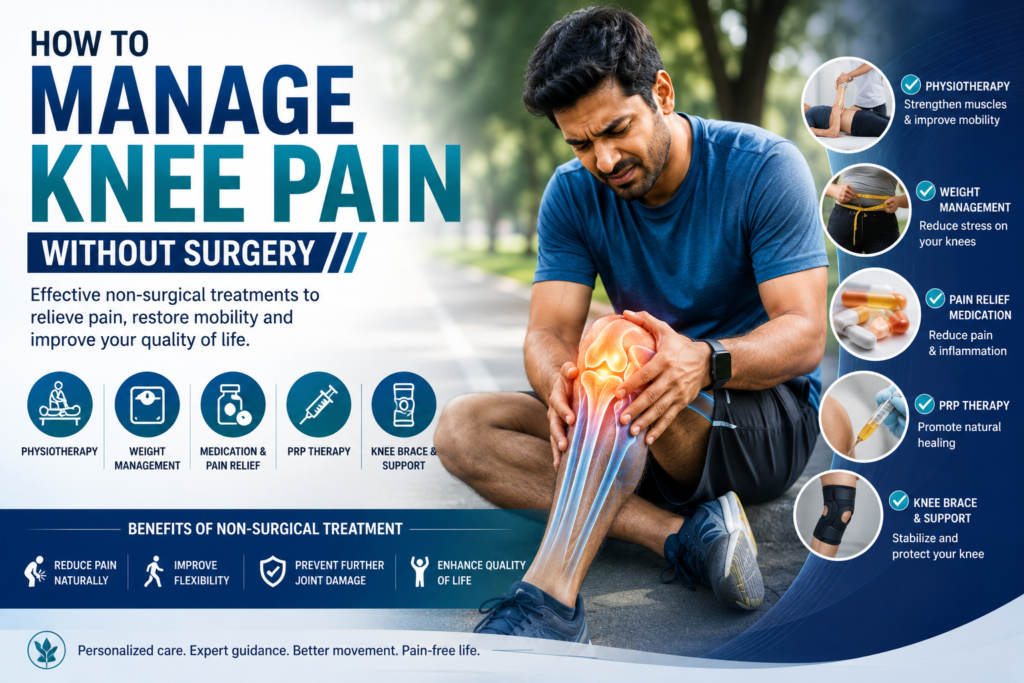
How to Manage Knee Pain Without Surgery
Knee pain is one of the most common orthopedic problems affecting people of all ages. Whether you’re a young athlete recovering from an injury, an office worker dealing with a sedentary lifestyle, or an older adult experiencing age-related wear and tear, knee pain can make everyday activities like walking, climbing stairs, or even standing for long periods uncomfortable.
The good news is that not all knee pain requires surgery. In many cases, conservative treatments such as physiotherapy, lifestyle changes, medication, and advanced pain management techniques can effectively reduce pain and improve knee function. Early diagnosis and timely treatment play a key role in preventing the condition from worsening.
At OrthoSpineCare in BangaloreLearn how to manage knee pain without surgery through physiotherapy, lifestyle changes, PRP therapy, and expert orthopedic care at OrthoSpineCare in Bangalore., experienced orthopedic specialists provide personalized, evidence-based treatment plans to help patients manage knee pain and regain an active, pain-free lifestyle.
What Causes Knee Pain?
The knee is one of the largest and most active joints in the body. It supports your body weight and plays a vital role in walking, running, climbing, and other daily movements.
Several conditions can lead to knee pain.
Osteoarthritis
Osteoarthritis is one of the leading causes of chronic knee pain. It occurs when the protective cartilage in the knee gradually wears away, causing pain, stiffness, and reduced mobility.
Ligament Injuries
Ligaments stabilize the knee joint. Injuries such as ACL, PCL, MCL, or LCL tears commonly occur during sports or accidents and can cause pain and instability.
Meniscus Tears
The meniscus acts as a cushion between the thigh bone and shin bone. Twisting injuries can tear the meniscus, resulting in pain, swelling, and difficulty moving the knee.
Tendonitis
Overuse of the knee can inflame the tendons, leading to pain around the kneecap. This condition is common among runners, cyclists, and athletes.
Bursitis
Inflammation of the small fluid-filled sacs (bursae) around the knee can cause swelling, tenderness, and pain.
Obesity
Excess body weight places additional pressure on the knee joints, increasing the risk of pain and joint degeneration over time.
Symptoms You Shouldn’t Ignore
While mild discomfort may improve with rest, persistent symptoms should be evaluated by an orthopedic specialist.
Common symptoms include:
- Persistent knee pain
- Swelling
- Joint stiffness
- Difficulty walking
- Pain while climbing stairs
- Clicking or popping sounds
- Knee instability
- Reduced range of motion
- Pain after physical activity
Ignoring these symptoms can lead to worsening joint damage.
Can Knee Pain Be Treated Without Surgery?
Yes. Many people recover successfully with non-surgical treatment, especially when care begins early.
Conservative treatments focus on reducing pain, improving strength, restoring movement, and preventing further damage.
Your orthopedic specialist will recommend the most suitable approach based on your condition and lifestyle.
Effective Non-Surgical Treatments for Knee Pain
Physiotherapy
Physiotherapy is one of the most effective ways to manage knee pain without surgery.
A personalized exercise program helps:
- Strengthen muscles around the knee
- Improve flexibility
- Increase joint stability
- Restore movement
- Reduce pain
- Prevent future injuries
Consistent physiotherapy often leads to long-term improvement.
Medication
Doctors may prescribe medications to reduce pain and inflammation.
These may include:
- Anti-inflammatory medicines
- Pain relievers
- Topical pain relief gels
- Short-term medication for flare-ups
Medication is generally used alongside physiotherapy rather than as a standalone treatment.
Weight Management
Maintaining a healthy body weight significantly reduces pressure on the knees.
Even losing a small amount of excess weight can improve mobility and decrease pain during everyday activities.
Lifestyle Modifications
Simple changes in your daily routine can protect your knees and reduce discomfort.
Recommendations include:
- Avoid prolonged standing
- Take regular walking breaks
- Wear supportive footwear
- Avoid high-impact activities during recovery
- Maintain good posture
- Use proper lifting techniques
These habits reduce unnecessary strain on the knee joints.
PRP Therapy
For selected tendon, ligament, and early degenerative joint conditions, Platelet-Rich Plasma (PRP) Therapy may be recommended to support natural healing.
Your orthopedic specialist will determine whether this treatment is appropriate for your condition.
Knee Braces and Support
Supportive braces may help stabilize the knee, reduce stress on injured structures, and improve confidence during movement.
Your doctor will recommend the right type based on your diagnosis.
Exercises That May Help Relieve Knee Pain
Gentle exercises can improve knee strength and flexibility when performed correctly.
Your physiotherapist may recommend:
- Straight leg raises
- Quadriceps strengthening
- Hamstring stretches
- Calf stretches
- Heel slides
- Low-impact cycling
- Walking
- Water-based exercises
Avoid self-prescribing exercises without professional guidance, especially after an injury.
When Is Surgery Necessary?
Although many patients recover without surgery, surgical treatment may be recommended if:
- Severe ligament tears are present
- Advanced arthritis significantly limits daily activities
- Large meniscus tears do not heal
- Knee instability continues despite rehabilitation
- Conservative treatment fails after several months
Modern minimally invasive procedures can improve recovery and reduce downtime when surgery becomes necessary.
Tips to Prevent Knee Pain
Healthy habits can help protect your knees and reduce the risk of future problems.
- Maintain a healthy body weight.
- Exercise regularly.
- Strengthen your leg muscles.
- Stretch before and after physical activity.
- Wear supportive footwear.
- Avoid sudden increases in exercise intensity.
- Practice proper posture.
- Use correct lifting techniques.
- Stay physically active throughout the day.
Preventive care is one of the best ways to maintain healthy joints.
Why Choose OrthoSpineCare in Bangalore?
At OrthoSpineCare, every patient receives a personalized treatment plan based on the cause of their knee pain and their lifestyle.
Patients trust the clinic because of its:
- Experienced orthopedic specialists
- Advanced diagnostic facilities
- Personalized treatment plans
- Evidence-based non-surgical care
- Sports injury management
- PRP Therapy for suitable cases
- Physiotherapy and rehabilitation services
- Patient-centered approach focused on long-term recovery
The goal is to relieve pain, restore mobility, and help patients return to the activities they enjoy.
When Should You Consult an Orthopedic Specialist?
Schedule a consultation if you experience:
- Knee pain lasting more than two weeks
- Swelling that does not improve
- Difficulty walking
- Joint locking or instability
- Pain after an injury
- Reduced range of motion
- Pain that interferes with work, exercise, or sleep
Early treatment often prevents more serious joint damage and supports faster recovery.
Conclusion
Living with knee pain doesn’t always mean you need surgery. Many knee conditions respond well to physiotherapy, lifestyle changes, weight management, medication, and other non-surgical treatments. The key is to identify the underlying cause early and begin the right treatment before the condition worsens.
If you’re looking for expert, non-surgical knee pain treatment in Bangalore, OrthoSpineCare offers comprehensive orthopedic care tailored to your needs. With advanced diagnostics, personalized rehabilitation, and evidence-based treatment, the experienced team is dedicated to helping you regain mobility, reduce pain, and return to an active, healthy lifestyle.