
What Is PRP Therapy? A Complete Guide to Platelet-Rich Plasma Treatment
Today’s advanced medical world has seen many patients look for treatments that not only alleviate pain but also allow the body to heal naturally. One such cutting-edge solution to orthopedic problems is PRP therapy. This relatively new treatment utilizes the body’s natural healing agents to repair damaged tissues, relieve pain, and promote recovery.
PRP therapy has gained significant attention in treating joint pain, sports injuries, and musculoskeletal problems. This treatment provides a safe and non-surgical solution to many patients.
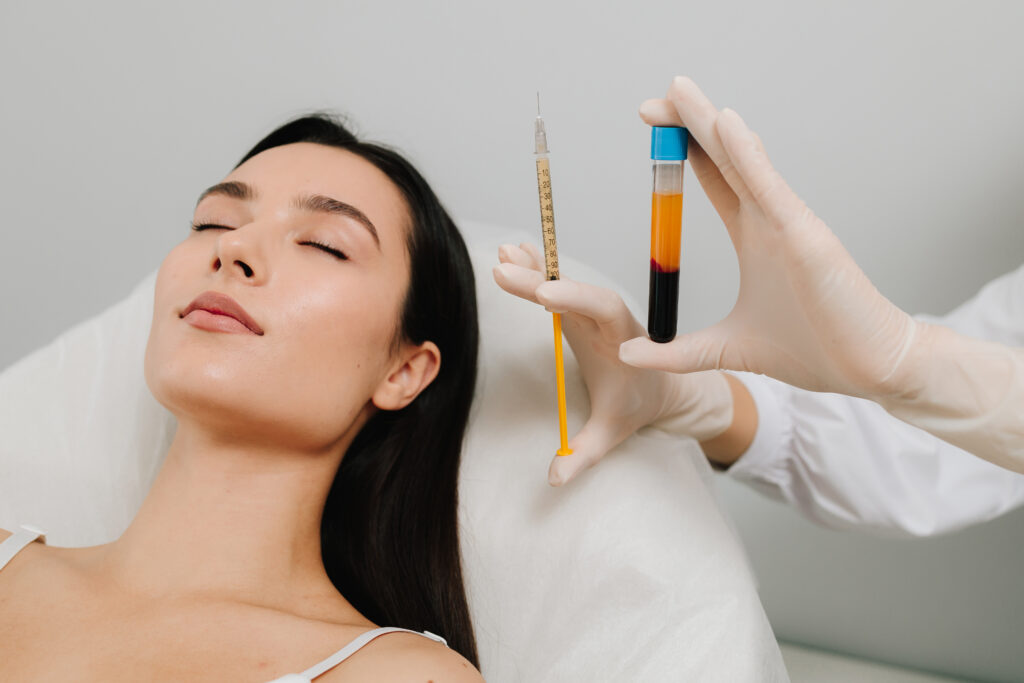
What Is PRP Therapy?
PRP therapy, or Platelet-Rich Plasma therapy, is a treatment that utilizes a concentrated form of platelets found in human blood. Platelets are tiny blood cells that have a significant role in the healing process. They contain growth factors that promote the repair of damaged tissues and reduce inflammation.
The concentrated platelets are injected into the affected area to boost the healing process.
How Does PRP Therapy Work?
The procedure of PRP therapy is simple and quick, usually performed in a clinical setting. There are three main steps to the procedure:
Blood Collection
A small sample of the patient’s blood is drawn, similar to a standard blood test.
Processing the Blood
The blood sample is then placed in a centrifugal machine, also known as a centrifuge, to separate the platelet-rich plasma from other blood parts.
Injection into the Affected Area
The platelet-rich plasma is then injected into the injured joint, tendon, or ligament.
The platelets then stimulate healing, reduce swelling, and speed up the recovery process.
Conditions Treated with PRP Therapy
PRP therapy is commonly used to treat a range of conditions, especially in orthopedic and sports medicine, including:
- Joint Pain and Early Cases of Arthritis
- Injuries to Ligaments, Such as Sprains of the Anterior Cruciate Ligament
- Injuries to Tendons, Such as Tennis Elbow
- Muscle Injuries
- Sports Injuries
- Back and Neck Pain
PRP therapy is especially effective in treating conditions where healing is slow or incomplete with other standard treatments.
Benefits of PRP Therapy
There are a number of benefits of PRP therapy, and this is why it is a popular treatment among patients:
Natural Healing
Since PRP is a patient’s own blood, it is a natural healing system.
Minimally Invasive
It is a minimally invasive treatment, and no surgery is required.
Reduction of Pain and Inflammation
It reduces inflammation, and this is why patients get pain relief in the long term.
Faster Recovery
The recovery time is quick, and this is a benefit of PRP therapy.
Low Risk of Side Effects
Since patients are injecting their own blood, there is no risk of side effects, and allergic reactions are unlikely to occur.
What to Expect After PRP Therapy
There are a few things to expect after undergoing PRP therapy, and this is why patients should know about them:
There is a possibility of pain and swelling in the area where PRP was administered, and this usually goes away in a few days.
Rest and avoiding physical activities are recommended by doctors, and patients should also go for physiotherapy and rehabilitation, and then resume their normal activities.
How Long Do the Results Last?
The results of PRP therapy can last long. This applies particularly to cases where rehabilitation and lifestyle changes are made accordingly. In some instances, a series of PRP therapy may be necessary to achieve optimal results.
Is PRP Therapy Right for You?
PRP therapy can work wonders for people facing a variety of conditions. PRP therapy may be right for you if:
You are facing chronic joint pain
You wish to avoid undergoing a surgical procedure
You have not responded well to medications or physiotherapy
You are looking for a natural form of therapy
PRP therapy may not be suitable for people facing severe joint conditions. Consult an orthopedic specialist to assess your condition.
PRP Therapy vs. Traditional Treatments
PRP therapy provides a range of advantages over painkillers. While painkillers simply provide relief from pain, PRP therapy works on healing the condition. PRP therapy provides a range of advantages over surgeries. While surgeries require a long recovery time, PRP therapy provides a quick recovery. PRP therapy provides an ideal solution for people looking to receive long-term relief from pain.
Conclusion
PRP therapy is a revolutionary step in modern orthopedic care, offering a natural and effective way to treat pain and injuries. By using the body’s own healing power, it promotes tissue repair, reduces inflammation, and improves overall function.
For individuals dealing with joint pain, sports injuries, or chronic conditions, PRP therapy provides a promising alternative to traditional treatments. Consulting a qualified orthopedic specialist can help determine whether this innovative therapy is the right choice for your recovery journey.