
Post-Surgery Rehabilitation: A Complete Guide to Faster Recovery
Surgery is often just the first step toward healing. What truly determines how well and how quickly a patient recovers is the care taken after the procedure—especially post-surgery rehabilitation. Whether it’s a joint replacement, fracture repair, or spine surgery, proper rehabilitation helps restore strength, mobility, and overall function.
Many people underestimate the importance of rehabilitation, but it plays a crucial role in ensuring long-term success and preventing complications. With the right approach, patients can return to their daily activities safely and confidently.
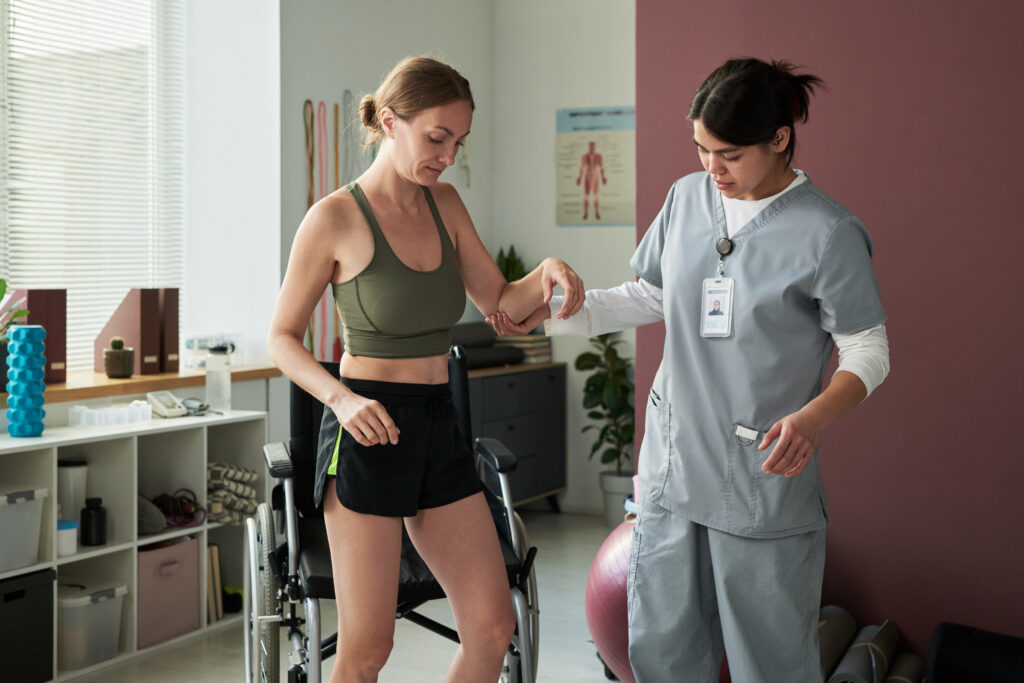
What Is Post-Surgery Rehabilitation?
Post-surgery rehabilitation is a structured recovery process that begins after a surgical procedure. It includes physiotherapy, guided exercises, lifestyle adjustments, and medical supervision to help the body heal properly.
The main goals of rehabilitation are:
- Reduce pain and swelling
- Restore movement and flexibility
- Strengthen muscles around the affected area
- Prevent complications
- Improve overall function and quality of life
Rehabilitation programs are tailored to each patient based on their surgery, age, and overall health.
Why Is Rehabilitation Important After Surgery?
After surgery, the body needs time and support to recover. Without proper rehabilitation, patients may experience stiffness, weakness, or limited mobility.
Here’s why rehabilitation is essential:
Faster Recovery
Guided exercises and therapies help speed up the healing process.
Improved Mobility
Rehabilitation restores joint movement and flexibility, allowing patients to move comfortably.
Pain Management
Therapies and exercises help reduce pain without relying solely on medications.
Prevention of Complications
Rehabilitation reduces the risk of issues like blood clots, muscle weakness, or joint stiffness.
Better Long-Term Results
Following a proper rehab plan ensures that the benefits of surgery are maintained over time.
Phases of Post-Surgery Rehabilitation
Recovery after surgery usually happens in stages. Each phase focuses on a specific aspect of healing.
1. Immediate Post-Surgery Phase
This phase begins right after the surgery. The focus is on:
- Managing pain and swelling
- Protecting the surgical area
- Gentle movements to prevent stiffness
Patients are usually guided by medical professionals during this stage.
2. Early Recovery Phase
As healing progresses, rehabilitation becomes more active. This phase includes:
- Light exercises to improve mobility
- Gradual increase in movement
- Basic strengthening exercises
The goal is to help the patient regain confidence in movement.
3. Strengthening Phase
In this stage, the focus shifts to building strength and endurance. Patients may perform:
- Targeted muscle strengthening exercises
- Balance and coordination training
- Controlled physical activities
This phase prepares the body for normal daily functions.
4. Advanced Recovery Phase
The final stage involves returning to regular activities and, in some cases, sports or physically demanding tasks. Rehabilitation focuses on:
- Full range of motion
- Functional training
- Injury prevention strategies
Role of Physiotherapy in Rehabilitation
Physiotherapy is a key component of post-surgery rehabilitation. Trained therapists guide patients through exercises that improve flexibility, strength, and coordination.
They also monitor progress and adjust treatment plans as needed, ensuring safe and effective recovery.
Tips for Faster Recovery After Surgery
While professional guidance is essential, patients can also take steps to support their recovery:
- Follow your doctor’s instructions carefully
- Attend all physiotherapy sessions
- Stay consistent with prescribed exercises
- Maintain a healthy diet to support healing
- Get adequate rest and avoid overexertion
- Keep a positive mindset during recovery
Consistency and patience are key factors in successful rehabilitation.
Common Challenges During Rehabilitation
Recovery is not always smooth, and patients may face challenges such as:
- Pain during movement
- Fear of re-injury
- Slow progress
- Temporary limitations in daily activities
These challenges are normal, and with proper guidance and persistence, they can be overcome.
When to Seek Medical Advice
While some discomfort is expected during recovery, certain symptoms require medical attention:
- Severe or increasing pain
- Swelling that does not improve
- Signs of infection
- Difficulty moving the affected area
Prompt medical care helps prevent complications and ensures proper healing.
Long-Term Benefits of Rehabilitation
Proper rehabilitation not only helps in short-term recovery but also provides lasting benefits:
- Improved strength and flexibility
- Better joint function
- Reduced risk of future injuries
- Enhanced overall quality of life
Patients who complete their rehabilitation programs are more likely to enjoy long-term success after surgery.
Conclusion
Post-surgery rehabilitation is a vital part of the healing journey. It helps patients regain strength, restore mobility, and return to their normal lives with confidence. While surgery addresses the underlying issue, rehabilitation ensures that the body heals properly and functions effectively.
By following a structured rehabilitation plan and staying committed to recovery, patients can achieve faster healing and better long-term outcomes. If you or a loved one is preparing for or recovering from surgery, consulting a qualified orthopedic specialist and physiotherapist can make all the difference in your recovery journey.