
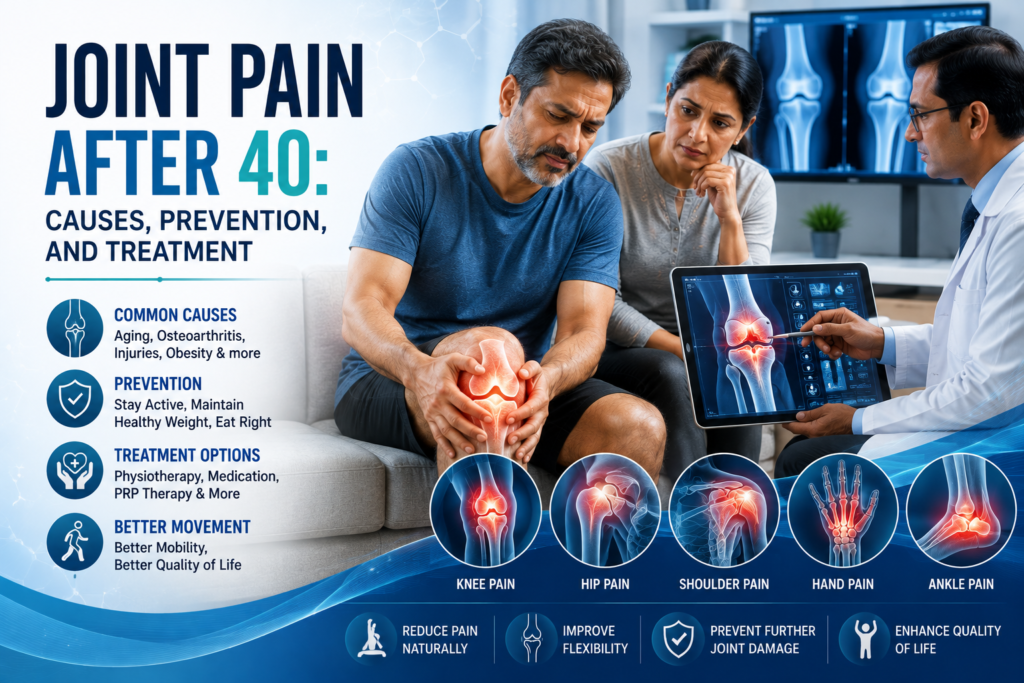
Joint Pain After 40: Causes, Prevention, and Treatment
As we grow older, it’s natural for our bodies to undergo changes. One of the most common concerns people experience after the age of 40 is joint pain. You may notice stiffness in your knees when climbing stairs, discomfort in your shoulders while reaching for objects, or pain in your hips after a long walk. While occasional aches can be part of aging, persistent joint pain should never be ignored.
The good news is that joint pain after 40 is often manageable with early diagnosis, the right treatment, and healthy lifestyle choices. In many cases, surgery is not necessary, and patients can continue to lead active, pain-free lives.
At OrthoSpineCare in Bangalore, experienced orthopedic specialists provide comprehensive care for joint pain, helping patients restore mobility and improve their quality of life through personalized treatment plans.
Why Does Joint Pain Become More Common After 40?
As you age, the cartilage that cushions your joints gradually wears down. Muscles may lose strength, ligaments become less flexible, and natural joint lubrication decreases. These changes increase the risk of pain, stiffness, and inflammation.
However, aging is only one factor. Lifestyle habits, previous injuries, excess body weight, and certain medical conditions also play a significant role.
Common Causes of Joint Pain After 40
Osteoarthritis
Osteoarthritis is the most common cause of joint pain in adults over 40. It develops when the protective cartilage covering the ends of bones gradually wears away.
Common symptoms include:
- Knee pain
- Hip pain
- Joint stiffness
- Swelling
- Reduced flexibility
- Grinding sensation during movement
Rheumatoid Arthritis
Unlike osteoarthritis, rheumatoid arthritis is an autoimmune condition in which the immune system attacks healthy joint tissues.
It often affects both sides of the body and may cause:
- Morning stiffness lasting more than 30 minutes
- Swollen joints
- Fatigue
- Joint tenderness
Early diagnosis is essential to prevent permanent joint damage.
Previous Injuries
Old sports injuries, fractures, or ligament tears can increase the risk of developing joint pain later in life.
Even injuries that healed years ago may contribute to early joint degeneration.
Obesity
Carrying excess weight places continuous pressure on weight-bearing joints such as the knees, hips, and ankles.
Losing even a small amount of weight can significantly reduce joint stress and improve mobility.
Tendonitis and Bursitis
Inflammation of tendons or bursae around the joints can cause pain during movement.
These conditions often result from repetitive activities or overuse.
Gout
Gout occurs when uric acid crystals build up in the joints, causing sudden episodes of severe pain, redness, and swelling.
The big toe is commonly affected, but other joints may also be involved.
Osteoporosis
Although osteoporosis mainly weakens bones rather than joints, it increases the risk of fractures that can lead to chronic pain and reduced mobility.
Common Symptoms of Joint Problems
Joint pain can develop gradually or appear suddenly.
Symptoms to watch for include:
- Persistent joint pain
- Morning stiffness
- Swelling around the joints
- Difficulty walking
- Reduced range of motion
- Clicking or grinding sounds
- Joint warmth or redness
- Weakness around the joint
- Pain during physical activity
If these symptoms persist, seek medical advice rather than relying solely on painkillers.
Which Joints Are Most Commonly Affected?
Joint pain after 40 frequently affects:
Knees
Knee pain is common due to years of weight-bearing activity and cartilage wear.
Hips
Hip arthritis can make walking, climbing stairs, and standing difficult.
Shoulders
Shoulder pain often develops due to tendon injuries, arthritis, or repetitive overhead activities.
Hands and Fingers
Joint stiffness and reduced grip strength may affect daily activities like writing or opening containers.
Ankles
Old injuries and arthritis can contribute to chronic ankle discomfort.
Risk Factors
Several factors increase the likelihood of developing joint pain after 40.
These include:
- Family history of arthritis
- Obesity
- Sedentary lifestyle
- Previous joint injuries
- Smoking
- Physically demanding occupations
- Poor posture
- Lack of regular exercise
- Nutritional deficiencies
Understanding these risk factors helps you take preventive measures early.
How Is Joint Pain Diagnosed?
At OrthoSpineCare, specialists perform a comprehensive evaluation to identify the exact cause of your symptoms.
Diagnosis may include:
- Medical history review
- Physical examination
- Joint movement assessment
- Digital X-rays
- MRI scan when required
- Blood tests for inflammatory arthritis
- Bone density testing if indicated
An accurate diagnosis allows your doctor to create a personalized treatment plan.
Non-Surgical Treatment Options
Many people achieve excellent results without surgery.
Physiotherapy
A structured rehabilitation program helps:
- Strengthen muscles
- Improve flexibility
- Restore joint movement
- Reduce pain
- Prevent future injuries
Physiotherapy remains one of the most effective treatments for long-term joint health.
Medication
Doctors may prescribe medications to reduce inflammation and control pain depending on the underlying condition.
Treatment is individualized and carefully monitored.
PRP Therapy
For selected tendon, ligament, and early joint degeneration cases, Platelet-Rich Plasma (PRP) Therapy may help promote natural healing and reduce pain.
Your orthopedic specialist will determine whether PRP is appropriate for your condition.
Lifestyle Modifications
Simple changes can greatly improve joint health.
Recommendations include:
- Maintaining a healthy body weight
- Following an anti-inflammatory diet
- Staying physically active
- Improving posture
- Wearing supportive footwear
- Avoiding repetitive joint strain
These habits support long-term mobility.
Assistive Devices
In some cases, braces, supports, or walking aids may reduce stress on affected joints and improve comfort during daily activities.
When Is Surgery Necessary?
Surgery is generally considered only when:
- Conservative treatment no longer provides relief
- Severe arthritis limits daily activities
- Joint damage is advanced
- Persistent pain significantly affects quality of life
Modern orthopedic procedures can restore function and reduce pain when surgery becomes necessary.
How to Prevent Joint Pain After 40
Healthy lifestyle habits can help protect your joints as you age.
- Exercise regularly with low-impact activities like walking, swimming, or cycling.
- Strengthen the muscles around your joints.
- Stretch daily to improve flexibility.
- Maintain a healthy body weight.
- Eat foods rich in calcium, vitamin D, and protein.
- Stay hydrated.
- Avoid smoking.
- Use proper lifting techniques.
- Maintain good posture while sitting and standing.
- Schedule regular health check-ups.
Small daily habits can make a big difference in maintaining healthy joints.
Why Choose OrthoSpineCare in Bangalore?
At OrthoSpineCare, patients receive comprehensive orthopedic care tailored to their individual needs.
The clinic offers:
- Experienced orthopedic specialists
- Advanced diagnostic facilities
- Personalized treatment plans
- Evidence-based arthritis and joint pain management
- Physiotherapy and rehabilitation
- PRP Therapy for suitable patients
- Patient-centered care focused on long-term recovery
The goal is not only to relieve pain but also to improve mobility and help patients enjoy an active lifestyle.
When Should You Consult an Orthopedic Specialist?
Don’t delay medical attention if you experience:
- Joint pain lasting more than two weeks
- Persistent swelling
- Morning stiffness
- Difficulty walking
- Reduced joint movement
- Joint instability
- Pain affecting your daily activities
- Recurrent joint pain
Early treatment often prevents further joint damage and improves long-term outcomes.
Conclusion
Joint pain after 40 is common, but it doesn’t have to become a part of everyday life. Understanding the causes, recognizing the early symptoms, and adopting healthy lifestyle habits can help you maintain strong, flexible joints for years to come. Most importantly, seeking timely medical care can prevent minor joint problems from becoming long-term disabilities.
If you’re experiencing persistent knee pain, hip pain, shoulder discomfort, or stiffness, consult the experienced orthopedic specialists at OrthoSpineCare in Bangalore. With advanced diagnostics, personalized treatment plans, and comprehensive rehabilitation, you can regain mobility, reduce pain, and continue enjoying an active, healthy lifestyle.