
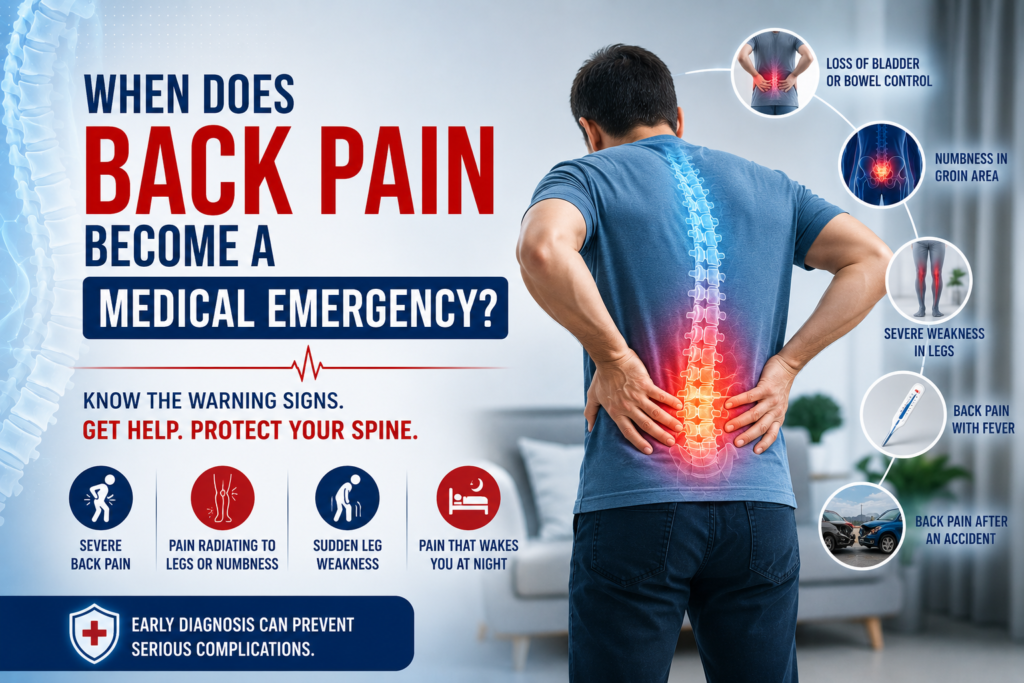
When Does Back Pain Become a Medical Emergency?
Back pain is one of the most common health problems worldwide. In many cases, it improves with rest, proper posture, and simple treatments. However, not all back pain is harmless. Sometimes, it can be a warning sign of a serious spinal condition that requires immediate medical attention.
Knowing when back pain becomes a medical emergency can help prevent permanent nerve damage, disability, or other life-threatening complications. If you or a loved one experience severe or unusual symptoms along with back pain, seeking emergency medical care without delay is essential.
At OrthoSpineCare in Bangalore, experienced orthopedic and spine specialists diagnose and treat both routine and emergency spine conditions, ensuring patients receive timely and effective care.
Is All Back Pain an Emergency?
The simple answer is no. Most cases of back pain result from muscle strain, poor posture, or minor injuries and improve within a few days or weeks.
However, certain symptoms indicate that the pain may be caused by a serious problem affecting the spinal cord, nerves, bones, or internal organs. These situations require immediate medical evaluation.
Warning Signs That Require Emergency Medical Care
If your back pain is accompanied by any of the following symptoms, seek emergency medical attention immediately.
1. Loss of Bladder or Bowel Control
Sudden inability to control urination or bowel movements, along with severe back pain, could indicate Cauda Equina Syndrome, a rare but serious condition caused by severe compression of the spinal nerves.
Without immediate treatment, permanent nerve damage may occur.
2. Numbness Around the Groin or Inner Thighs
Loss of sensation in the buttocks, groin, or inner thighs—often called saddle numbness—is another warning sign of severe nerve compression.
This symptom should never be ignored and requires urgent medical evaluation.
3. Severe Weakness in the Legs
If you suddenly find it difficult to walk, stand, or move one or both legs, your spinal nerves or spinal cord may be affected.
Immediate treatment can help prevent long-term disability.
4. Back Pain After a Serious Accident
Back pain following:
- A road traffic accident
- A fall from a height
- A sports injury
- A direct blow to the spine
may indicate fractures, spinal instability, or ligament injuries.
Even if the pain seems manageable, you should seek medical attention immediately.
5. Sudden, Severe Back Pain With Fever
Back pain accompanied by fever, chills, or unexplained fatigue may indicate a spinal infection.
Prompt diagnosis and treatment are essential to prevent serious complications.
6. Back Pain With Unexplained Weight Loss
Persistent back pain along with unexplained weight loss, loss of appetite, or night sweats may indicate an underlying medical condition such as infection or, in rare cases, cancer.
Early evaluation is important for proper diagnosis.
7. Pain That Wakes You Every Night
Muscle-related back pain usually improves with rest.
Pain that consistently wakes you from sleep or becomes worse at night deserves prompt medical attention.
8. Pain Spreading to Both Legs
Pain radiating down one leg often indicates sciatica. However, pain affecting both legs, especially with weakness or numbness, may suggest significant spinal nerve compression.
Early treatment helps prevent permanent nerve damage.
9. Progressive Numbness or Tingling
Occasional tingling may not always be serious, but numbness that gradually worsens or spreads should be evaluated by a spine specialist immediately.
It may indicate ongoing nerve damage.
10. Severe Back Pain That Doesn’t Improve
Pain that remains severe despite medication, rest, or home treatment should never be ignored.
Persistent pain may indicate a more serious spine condition requiring specialized care.
Common Spine Conditions That Can Become Emergencies
Several spinal disorders require urgent medical treatment if symptoms become severe.
These include:
Cauda Equina Syndrome
A medical emergency caused by compression of the nerves at the base of the spinal cord.
Symptoms include:
- Loss of bladder or bowel control
- Saddle numbness
- Leg weakness
- Severe lower back pain
Immediate surgery is often necessary.
Spinal Fractures
Fractures may occur after trauma or because of osteoporosis.
Without treatment, spinal instability can lead to nerve injury.
Severe Herniated Disc
A large disc herniation may compress spinal nerves or the spinal cord, causing severe pain, numbness, and muscle weakness.
Spinal Infections
Although uncommon, infections affecting the spine require urgent diagnosis and antibiotic treatment.
Spinal Tumors
Some tumors can compress nerves and cause persistent pain, weakness, and neurological symptoms.
Early diagnosis improves treatment outcomes.
When Should You Schedule a Spine Consultation Instead of Visiting the Emergency Room?
Not every case of back pain requires emergency care.
Book an appointment with a spine specialist if you experience:
- Pain lasting longer than two weeks
- Recurring episodes of back pain
- Mild numbness or tingling
- Pain while sitting or standing
- Stiffness that limits movement
- Pain affecting work or daily activities
These symptoms still require evaluation but are usually not emergencies.
How Spine Specialists Diagnose Serious Back Pain
At OrthoSpineCare, specialists perform a detailed evaluation to determine the cause of your symptoms.
Diagnosis may include:
- Medical history review
- Physical examination
- Neurological assessment
- Digital X-rays
- MRI scan
- CT scan
- Bone density testing when required
Accurate diagnosis helps guide the most effective treatment.
Treatment Options for Serious Spine Conditions
Treatment depends on the underlying diagnosis and severity of the condition.
Emergency Treatment
Patients with severe nerve compression, fractures, or spinal instability may require immediate hospitalization or surgery.
Non-Surgical Treatment
Many spine problems can be managed through:
- Physiotherapy
- Pain management
- Medications
- Lifestyle modifications
- Image-guided spinal injections
Minimally Invasive Spine Procedures
Advanced minimally invasive techniques often reduce recovery time while effectively treating certain spinal conditions.
Rehabilitation
After treatment, rehabilitation helps restore strength, flexibility, and mobility while reducing the risk of future injuries.
How to Reduce the Risk of Serious Spine Problems
Healthy daily habits help protect your spine.
- Maintain good posture.
- Exercise regularly.
- Strengthen your core muscles.
- Lift heavy objects safely.
- Maintain a healthy weight.
- Avoid smoking.
- Treat minor back injuries promptly.
- Attend regular medical check-ups if you have chronic spine conditions.
Prevention is always better than delayed treatment.
Why Choose OrthoSpineCare in Bangalore?
When it comes to spine health, early diagnosis and expert treatment make a significant difference.
Patients choose OrthoSpineCare because of its:
- Experienced orthopedic and spine specialists
- Advanced diagnostic facilities
- Personalized treatment plans
- Comprehensive non-surgical care
- Minimally invasive spine surgery expertise
- Physiotherapy and rehabilitation services
- Patient-focused approach to long-term recovery
The team is dedicated to helping patients recover safely and return to their daily lives with confidence.
Conclusion
Most back pain improves with conservative care, but certain symptoms should never be ignored. Severe pain accompanied by numbness, muscle weakness, loss of bladder or bowel control, fever, or pain after an accident may indicate a medical emergency that requires immediate attention.
Recognizing these warning signs can help prevent serious complications and protect your long-term spine health.
If you have persistent back pain or notice concerning symptoms, consult the experienced specialists at OrthoSpineCare in Bangalore. Whether your condition requires conservative treatment or urgent intervention, timely care can make all the difference in achieving a full recovery.