
Fall Prevention Guidance: Tips to Stay Safe and Steady
Falls can happen to anyone, but they are especially common among older adults or individuals with mobility issues. A fall can lead to serious injuries, loss of confidence, and a decrease in overall independence. Taking proactive steps to prevent falls is essential for maintaining safety, mobility, and quality of life.
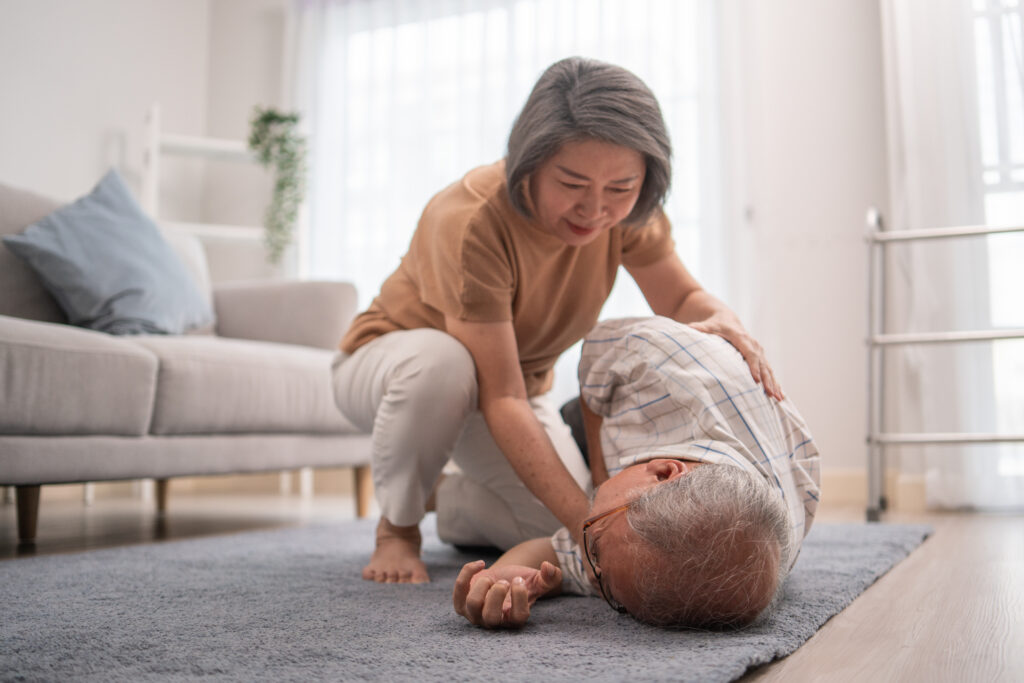
Understanding the Risk of Falls
Falls occur when balance is compromised, or unexpected obstacles disrupt movement. Risk factors include age-related muscle weakness, poor vision, medications, and underlying health conditions. Recognizing these risks helps in taking preventive measures before an incident occurs.
Creating a Safe Home Environment
A large number of falls happen at home. Simple adjustments can significantly reduce risks. Ensure floors are clear of clutter, remove loose rugs or secure them with anti-slip backing, and keep frequently used items within easy reach. Install grab bars in bathrooms and handrails on stairs to provide extra support.
Improving Balance and Strength
Regular exercise strengthens muscles, improves coordination, and enhances balance. Activities like walking, yoga, tai chi, and resistance training help maintain mobility and stability. Even small daily exercises, guided by a physiotherapist if needed, can make a significant difference in preventing falls.
Proper Footwear and Mobility Aids
Wearing shoes with non-slip soles and proper support reduces the risk of slipping. Avoid walking barefoot or in loose slippers. For individuals with mobility challenges, using canes, walkers, or other assistive devices can provide additional stability and confidence.
Vision and Health Management
Regular eye check-ups are important, as impaired vision increases the likelihood of falls. Managing health conditions like diabetes, arthritis, and low blood pressure can also help prevent falls. Be aware of medications that may cause dizziness or drowsiness, and discuss alternatives with your doctor if necessary.
Safe Movement and Habits
Being mindful of your movements can prevent accidents. Take your time when standing up, especially from chairs or beds. Use handrails when climbing stairs and avoid rushing in unfamiliar or poorly lit areas. Encourage adequate lighting throughout the home, including night lights in hallways and bathrooms.
Professional Guidance and Support
Physiotherapists and occupational therapists can assess your home and physical abilities to recommend personalized fall prevention strategies. They can provide exercises to strengthen muscles, improve balance, and teach safe techniques for daily activities.
Building Confidence and Awareness
Falls often lead to fear, which can reduce activity and increase vulnerability. Practicing safe habits, staying active, and following guidance from professionals can boost confidence and encourage independence. Education about risk factors and preventive measures empowers individuals to take control of their safety.
Conclusion
Fall prevention is a crucial aspect of maintaining independence, especially for older adults or those with mobility challenges. By creating a safe environment, improving strength and balance, and seeking professional guidance, the risk of falls can be significantly reduced. Prioritizing these measures helps individuals stay safe, steady, and confident in their daily lives.