
Common Growth-Related Orthopedic Problems in Kids and How to Treat Them
Children grow rapidly, and during this phase, their bones, joints, and muscles are constantly developing. While most growth happens naturally and without issues, some children may experience growth-related orthopedic problems that can affect their movement and overall development. Early identification and proper care are essential to ensure healthy growth and prevent long-term complications.
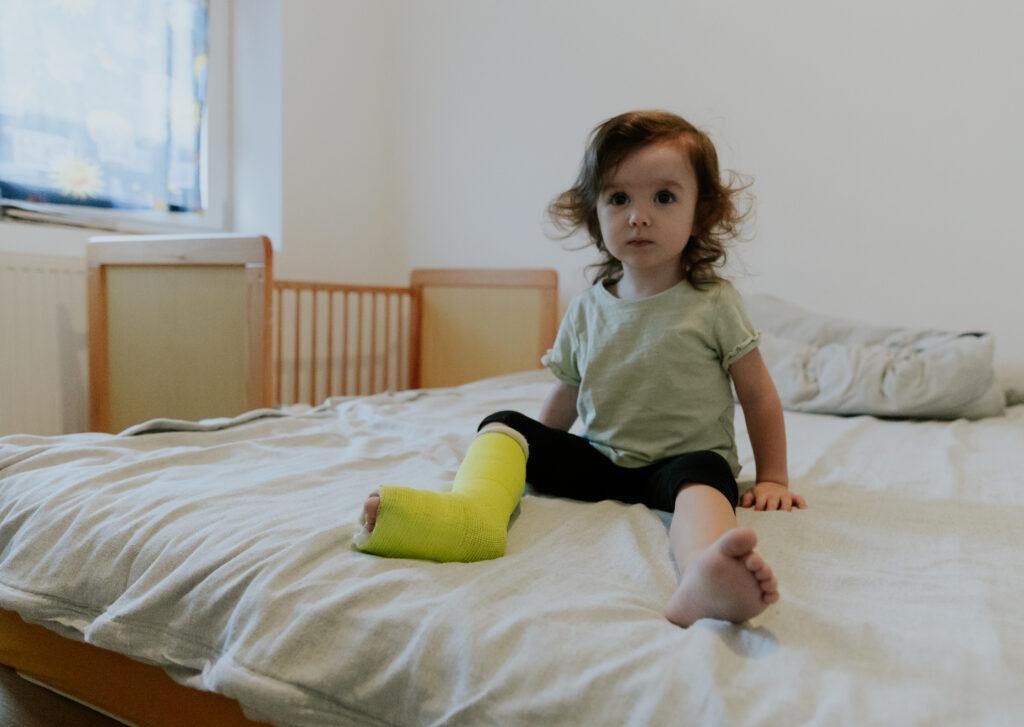
Understanding Growth-Related Orthopedic Issues
Growth-related orthopedic problems occur when there are abnormalities in how bones and joints develop. Since children’s bones are still growing, they are more flexible but also more vulnerable to certain conditions. These issues may be present from birth, develop over time, or result from injuries during growth years.
Recognizing early signs and seeking timely medical care can make a significant difference in treatment outcomes.
Common Growth-Related Problems in Children
Several orthopedic conditions are commonly seen in children during their growth phase.
Bow Legs and Knock Knees
Many young children naturally have bow legs or knock knees, which usually correct themselves as they grow. However, if the condition is severe or persists beyond a certain age, medical evaluation is necessary.
Flat Feet
Flat feet are common in children and often improve as the arch develops with age. In some cases, supportive footwear or exercises may be needed if the child experiences pain or discomfort.
Growth Plate Injuries
Growth plates are areas of developing tissue at the ends of long bones. Injuries to these areas can affect bone growth if not treated properly. These injuries often occur during sports or physical activities.
Limb Length Differences
Some children may have one leg slightly longer than the other. While minor differences are common, significant variations may require medical attention to prevent walking difficulties or posture issues.
Postural Problems
Poor posture during growth years can lead to back or neck discomfort. Conditions like scoliosis, which causes abnormal curvature of the spine, may develop during adolescence.
Signs Parents Should Watch For
Early detection plays a key role in effective treatment. Parents should look out for:
- Difficulty walking or running
- Persistent pain in joints or limbs
- Uneven posture or limping
- Visible deformities in legs or arms
- Delayed physical development
If any of these signs are noticed, consulting a specialist is important.
How Are These Conditions Diagnosed
Doctors assess growth-related issues through physical examinations and, if necessary, imaging tests like X-rays. They evaluate the child’s posture, movement, and bone development to identify the exact problem.
Accurate diagnosis helps in creating a personalized treatment plan tailored to the child’s needs.
Treatment Options for Growth-Related Issues
Treatment depends on the type and severity of the condition. In many cases, non-surgical methods are effective.
Observation and Monitoring
Some conditions, like mild bow legs or flat feet, may improve naturally over time and only require regular monitoring.
Physiotherapy and Exercises
Targeted exercises help strengthen muscles, improve balance, and support proper alignment. Physiotherapy plays a vital role in managing many orthopedic conditions in children.
Bracing and Support Devices
In certain cases, braces or orthotic devices are used to guide bone growth and correct alignment.
Medications and Pain Management
If the child experiences discomfort, doctors may recommend appropriate pain management strategies.
Surgical Intervention
Surgery is considered only in severe cases where other treatments are not effective. Modern techniques ensure safe and precise correction when needed.
Importance of Early Treatment
Addressing growth-related issues early helps prevent complications later in life. Proper treatment ensures:
- Normal bone growth and development
- Improved mobility and physical activity
- Reduced risk of long-term deformities
- Better overall quality of life
Early intervention is always more effective and less complex than treating advanced conditions.
Supporting Healthy Growth in Children
Parents can play a major role in promoting their child’s bone health. Encouraging regular physical activity, providing a balanced diet rich in calcium and vitamin D, and ensuring proper posture can support healthy development.
Regular health check-ups also help monitor growth and detect any issues early.
Conclusion
Growth-related orthopedic problems in children are not uncommon, but with timely care and proper guidance, they can be effectively managed. Understanding the signs, seeking early diagnosis, and following the right treatment plan can help ensure that children grow strong, active, and healthy.
If you notice any unusual symptoms in your child’s movement or posture, consulting an orthopedic specialist can provide clarity and peace of mind. Early care today can make a lasting difference in your child’s future well-being.