
Pain or Muscle Strain. How to Tell the Difference?
pain is a very common problem that people of all ages have to deal with. It can start after you lift something sit for a long time play sports or even without any obvious reason. While many cases are caused by a muscle strain others may be caused by spinal conditions that need medical attention.
It is very important to know the difference between muscle strain and spine-related back pain. This can help you get the treatment and avoid unnecessary complications. If your pain does not go away or gets worse you should see a spine specialist. They can help you find out what is causing the problem.
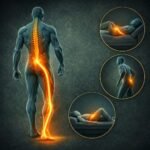
At OrthoSpineCare in Bangalore patients get evaluation and personalized treatment for both muscle injuries and complex spine conditions.
What Is a Muscle Strain ?
A muscle strain happens when muscle fibers or tendons are stretched or torn. This usually happens because of movements, overexertion, improper lifting techniques or intense physical activity.
Most muscle strains are mild. Get better with rest.. Severe strains may need medical treatment and rehabilitation.
There are everyday activities that can cause a strained back muscle. These include:
- Lifting objects incorrectly
- Sudden. Bending
- Overuse during exercise or sports
- Poor posture while working
- Sleeping in a position
Muscle strain is one of the most common causes of temporary back pain.
What Causes Spine-Related Back Pain?
Unlike muscle strain, spine-related back pain usually involves the bones, discs, joints, nerves or ligaments of the spine.
There are spine conditions that can cause back pain. These include:
- Herniated or slipped discs
- Sciatica
- Degenerative disc disease
- Spinal arthritis
- Spinal stenosis
- Osteoporosis-related fractures
- Nerve compression
These conditions often need diagnosis and treatment.
Signs of a Muscle Strain
Muscle strain usually happens after physical activity or lifting.
The common symptoms of muscle strain include:
- Pain in one area of the
- Muscle tenderness
- Mild swelling
- Muscle stiffness
- Pain that gets better with rest
- Difficulty bending or twisting temporarily
Most people start to feel better within a days to a couple of weeks.
Signs of Spine-Related Back Pain
Pain caused by conditions can be different.
The symptoms may include:
- Pain that lasts longer than a weeks
- Pain that goes into the legs or arms
*. Tingling
- Muscle weakness
- Difficulty walking or standing
- Pain that gets worse while sitting for periods
- Reduced flexibility
- Back pain that keeps coming
These symptoms suggest that the spine or nerves may be affected.
Muscle Strain vs. Spine Pain. Key Differences
It is very important to understand the characteristics of each condition. This can help you know when to seek care.
- Muscle Strain and Spine-Related Back Pain have some differences.
- Muscle Strain often happens after activity or lifting.
- Spine-Related Back Pain may develop gradually or suddenly.
- Muscle Strain pain usually stays in one area.
- Spine-Related Back Pain may radiate to the legs or arms.
- Muscle Strain pain gets better with rest.
- Spine-Related Back Pain often persists despite rest.
- Muscle Strain does not usually cause numbness or tingling.
- Spine-Related Back Pain may cause numbness or weakness.
- Muscle Strain usually heals within a weeks.
- Spine-Related Back Pain may continue without treatment.
Although these differences are helpful only a medical evaluation can confirm the cause.
When Should You See a Spine Specialist?
Many cases of muscle strain get better with care. However some symptoms need medical attention.
You should see a specialist if you have:
- Back pain that lasts than two weeks
- Pain that spreads into your legs or arms
*. Tingling
- Muscle weakness
- Difficulty walking
- Fever or weight loss with back pain
- Pain after an accident or fall
- Loss of bladder or bowel control. You should seek emergency care immediately.
Early diagnosis can help prevent complications and improve recovery.
How Is the Cause Diagnosed?
At OrthoSpineCare specialists start with a medical history and physical examination.
Depending on your symptoms they may do tests. These include:
- Digital X-rays
- MRI scans
- CT scans
- Neurological evaluation
- Bone density assessment when needed
These tests help identify the source of pain and guide treatment.
Treatment for Muscle Strain
Most muscle strains respond well to treatment.
Treatment may include:
- Rest and Activity Modification. You should rest for periods to allow your injured muscles to heal.. You should not stay in bed for too long.
- Cold and Heat Therapy. Ice packs can reduce swelling during the 48 hours. Heat therapy can help relax muscles afterward.
- Physiotherapy. A physiotherapist can guide you through stretching and strengthening exercises. These exercises can promote healing. Prevent future injuries.
- Pain Relief. Doctors may give you medications to reduce pain and inflammation when necessary.
Treatment for Spine-Related Back Pain
The treatment depends on the underlying condition.
Non-Surgical Treatment can help spine problems. This includes:
- Physiotherapy
- Postural correction
- Pain management
- Lifestyle modifications
- Spinal injections when appropriate
- Minimally Invasive Procedures. These procedures can reduce pain. Shorten recovery time.
Spine Surgery is recommended when conservative treatments fail or when there is severe nerve compression or spinal instability.
How to Prevent Future Back Problems
You can reduce your risk of both muscle strain and spine-related conditions by following daily habits.
You should:
- Maintain posture while sitting and standing.
- Strengthen your core muscles through exercise.
- Lift objects using your legs instead of your back.
- Take breaks during sitting.
- Sleep on a mattress.
- Maintain a weight.
- Stretch before and after activity.
These simple measures can help protect your spine and improve your musculoskeletal health.
Why Choose OrthoSpineCare ?
Choosing an orthopedic and spine clinic can ensure accurate diagnosis and effective treatment.
Patients trust OrthoSpineCare because they have:
- orthopedic and spine specialists
- Comprehensive diagnostic evaluation
- treatment plans
- Advanced non-surgical therapies
- Minimally invasive spine procedures
- Rehabilitation and physiotherapy services
- Patient-centered care focused on long-term recovery
The goal is to relieve pain, restore movement and help patients return to their normal lives as quickly as possible.
Although muscle strain and spine-related back pain may feel similar at first they have causes and need different treatments. Understanding the warning signs can help you get the care at the right time.
If your back pain is severe, recurring or accompanied by numbness, weakness or pain that goes into your arms or legs you should not ignore it. You should see a professional for an evaluation. They can identify the cause. Prevent the condition from getting worse.
At OrthoSpineCare experienced specialists provide care for muscle injuries, back pain and spine disorders. They use diagnostic tools and personalized treatment plans. Early treatment can make a difference, in helping you return to a healthy, active and pain-free life.