
A Complete Guide to Intra-Articular and Soft Tissue Injections
Joint and muscle pain can interfere with even the simplest daily activities, from walking and lifting to sitting comfortably. While medications and physiotherapy help many people, some conditions require more targeted treatment. This is where intra-articular and soft tissue injections come into play.
These modern, minimally invasive treatments are widely used in orthopedic care to reduce pain, control inflammation, and improve mobility—often without the need for surgery.
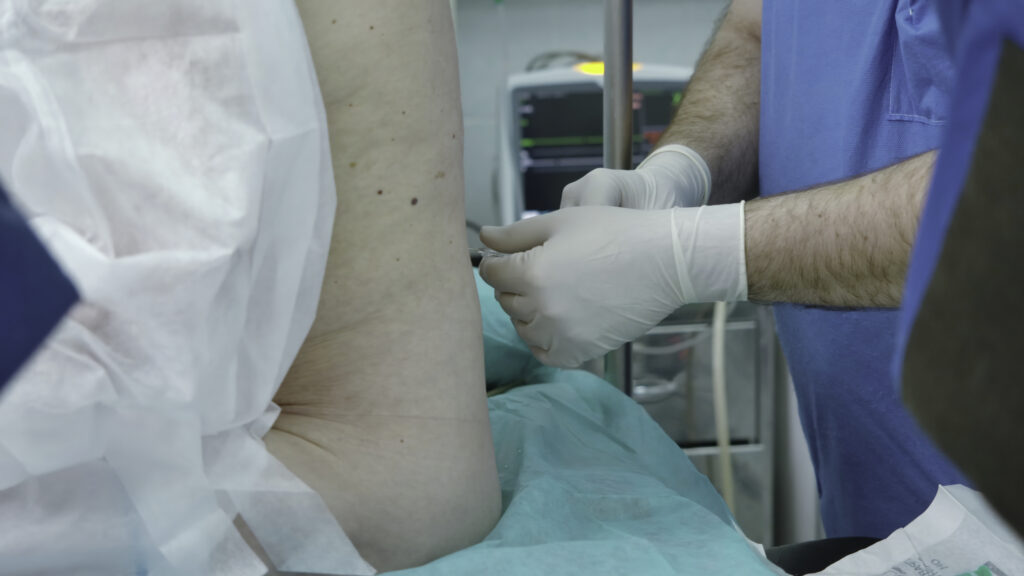
What Are Intra-Articular and Soft Tissue Injections?
Both treatments involve injecting medication directly into specific areas of the body, but they differ in their target location.
Intra-articular injections are administered directly into a joint, such as the knee, shoulder, or hip. These injections focus on treating joint-related conditions.
Soft tissue injections, on the other hand, are given into tissues surrounding the joints, such as muscles, tendons, or ligaments. These are used to treat injuries and inflammation in soft tissues.
By delivering medication directly to the affected area, these injections provide faster and more effective relief compared to oral medications.
Conditions Treated with Injection Therapy
Intra-articular and soft tissue injections are commonly used to manage a variety of orthopedic conditions, including:
- Arthritis and joint inflammation
- Tendonitis and bursitis
- Ligament injuries
- Muscle pain and spasms
- Sports injuries
- Chronic joint or soft tissue pain
These treatments are especially helpful when other non-surgical methods do not provide sufficient relief.
Types of Injections Used
Depending on the condition and severity, doctors may recommend different types of injections.
Corticosteroid Injections
These are commonly used to reduce inflammation and relieve pain quickly. They are effective for both joint and soft tissue conditions.
Hyaluronic Acid Injections
These injections improve joint lubrication and are often used in patients with osteoarthritis, particularly in the knee.
Platelet-Rich Plasma (PRP) Therapy
PRP uses the patient’s own blood components to promote natural healing and tissue regeneration.
Local Anesthetic Injections
These are used to provide immediate pain relief and are sometimes combined with other treatments.
How the Procedure Is Performed
Injection therapy is usually a quick and simple outpatient procedure.
- The doctor cleans the injection site thoroughly
- A fine needle is used to deliver the medication
- In some cases, imaging guidance (like ultrasound) is used for accuracy
The procedure typically takes only a few minutes, and most patients can go home the same day.
Benefits of Injection Therapy
These treatments offer several advantages, making them a preferred option for many patients:
Targeted Pain Relief
Medication is delivered directly to the source of pain for faster results.
Reduced Inflammation
Injections help control swelling and irritation in joints and tissues.
Minimally Invasive
No major surgery is required, reducing risks and recovery time.
Improved Mobility
Patients often experience better movement and flexibility after treatment.
Quick Recovery
Most people can resume normal activities within a short period.
What to Expect After the Injection
After the procedure, patients may experience mild soreness or swelling at the injection site, which usually resolves within a few days.
Doctors may recommend:
- Resting the affected area for a short time
- Avoiding strenuous activities
- Applying ice if needed
- Continuing physiotherapy if prescribed
Following these guidelines helps maximize the benefits of the treatment.
Are These Injections Safe?
When performed by experienced medical professionals, intra-articular and soft tissue injections are generally safe. Since many treatments use well-established medications or even the patient’s own biological material, the risk of complications is low.
However, like any medical procedure, they should only be done after proper evaluation by a qualified specialist.
When Should You Consider Injection Therapy?
You may benefit from these treatments if:
- Pain persists despite medication and physiotherapy
- Joint stiffness limits daily activities
- You want to avoid or delay surgery
- You are recovering from an injury and need faster healing
An orthopedic specialist can assess your condition and recommend the most suitable treatment plan.
Supporting Long-Term Recovery
While injections provide effective relief, long-term results depend on overall joint care. Patients are often advised to:
- Maintain a healthy weight
- Stay physically active with guided exercises
- Follow proper posture and ergonomics
- Continue rehabilitation programs
These steps help maintain joint health and prevent recurring issues.
Conclusion
Intra-articular and soft tissue injections are valuable tools in modern orthopedic care, offering targeted and effective pain relief without the need for surgery. By addressing inflammation and promoting healing directly at the source, these treatments help patients regain mobility and improve their quality of life.
If joint or muscle pain is affecting your daily routine, consulting an orthopedic specialist can help determine whether injection therapy is the right option for you. With proper care and guidance, you can achieve lasting relief and return to an active, pain-free life.