
Spine Conditions Are Dynamic Not Static
Spine conditions rarely stay the same over time. What begins as mild back pain stiffness or occasional nerve discomfort can gradually change depending on lifestyle posture activity level age and overall health. Many patients assume that once treatment is completed the problem is solved permanently. In reality most spine conditions evolve and require ongoing attention. This is why ongoing monitoring is essential rather than relying on one time treatment.
Why One Time Treatment Often Falls Short
One time treatment usually focuses on immediate pain relief. While this can be helpful in the short term it does not always address how the spine adapts over time. Degenerative changes muscle weakness poor posture and recurring stress can cause symptoms to return. Without follow up and reassessment early improvements may fade and underlying issues can progress unnoticed.
The Progressive Nature of Spine Conditions
Many spine conditions such as disc degeneration spinal stenosis nerve compression and joint wear progress gradually. Symptoms may fluctuate appearing manageable at one stage and severe at another. Ongoing monitoring allows these changes to be identified early. When progression is detected in time treatment can be adjusted to slow deterioration and prevent complications.
How Ongoing Monitoring Improves Treatment Accuracy
Spine treatment is most effective when it adapts to the patient’s response. Ongoing monitoring allows healthcare providers to evaluate what is working and what needs modification. Pain patterns movement limitations and functional ability are reassessed regularly. At Orthospine Care, this continuous evaluation ensures treatment remains accurate and relevant rather than outdated.
Preventing Recurrence Through Regular Assessment
Even after successful treatment spine conditions can recur due to daily strain poor ergonomics or muscle imbalance. Regular monitoring helps identify early warning signs before pain becomes severe. Adjustments such as targeted physiotherapy posture correction or activity modification can be introduced early. This proactive approach reduces the likelihood of recurring episodes.
Non Surgical Management Requires Follow Up
Many spine conditions are managed without surgery. Physiotherapy pain management and lifestyle guidance form the core of conservative care. These approaches are effective only when progress is tracked and programs are refined. Without monitoring exercises may become ineffective or even counterproductive. Ongoing follow up ensures non surgical care continues to support spine health effectively.
Surgical Treatment Also Needs Long Term Oversight
Even when surgery is performed spine care does not end. Healing alignment muscle strength and movement patterns change during recovery. Ongoing monitoring after surgical intervention helps detect complications assess recovery progress and guide rehabilitation. At Orthospine Care, post treatment monitoring is considered a vital part of achieving long term success.
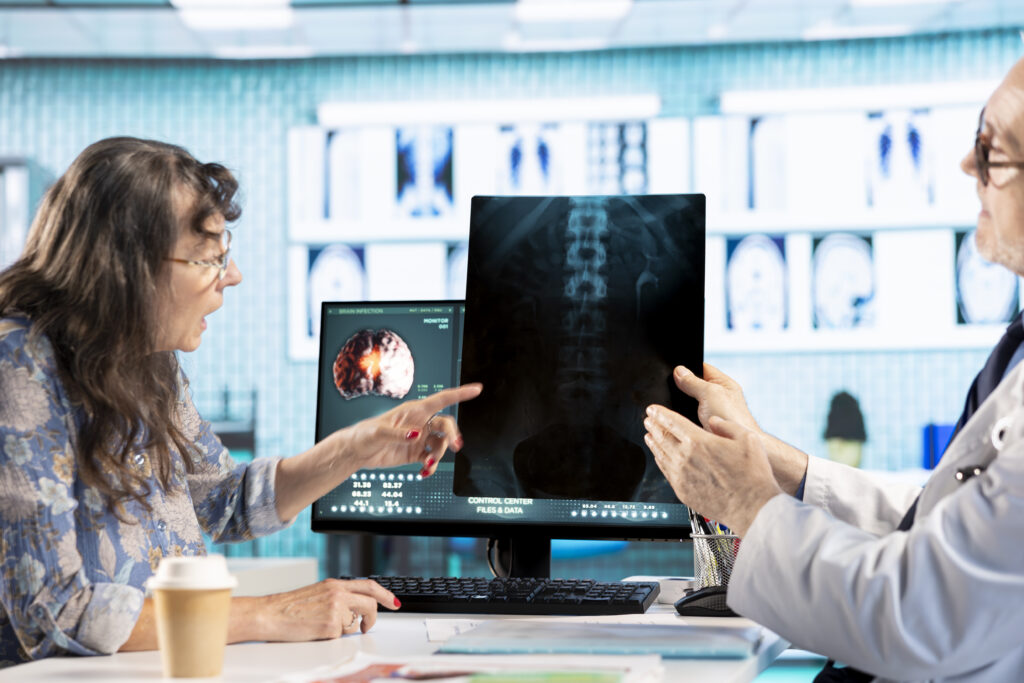
Monitoring Helps Maintain Spine Stability and Strength
Spine stability depends on strong supporting muscles and balanced movement. Over time muscle strength can decline and posture habits can change. Regular assessments help ensure stability is maintained. When weakness or imbalance is identified corrective strategies are introduced early to protect the spine from further stress.
Patient Education Evolves With Monitoring
Understanding of spine health improves over time. Ongoing monitoring provides opportunities for patient education as conditions and lifestyle needs change. Guidance on ergonomics activity modification and exercise is updated based on current spine status. This continuous learning empowers patients to take an active role in protecting their spine.
Long Term Spine Health Requires a Structured Plan
One time treatment often lacks a long term strategy. Ongoing monitoring allows spine care to follow a structured plan that focuses on prevention maintenance and early intervention. At Orthospine Care, spine care is viewed as a long term partnership rather than a single event. This approach supports sustained mobility comfort and confidence.
Why Orthospine Care Emphasizes Ongoing Monitoring
At Orthospine Care, spine conditions are managed with the understanding that the spine changes over time. Continuous monitoring allows care plans to evolve alongside the patient’s needs. By identifying changes early and adapting treatment accordingly long term outcomes are improved and unnecessary interventions are avoided.
Conclusion
Spine conditions require more than one time treatment because they are influenced by ongoing physical and lifestyle factors. Without monitoring early improvements can be lost and progression may go unnoticed. Ongoing monitoring allows timely adjustments prevents recurrence and supports long term spine health. With a structured follow up approach at Orthospine Care, patients receive care that evolves with their spine ensuring better outcomes lasting comfort and sustained mobility.