
Sciatica Causes and Treatment
Sciatica is one of the most common causes of lower back and leg pain. Many people experience occasional back pain, but sciatica is different because it involves irritation or compression of the sciatic nerve — the longest nerve in the human body. When this nerve becomes inflamed or compressed, it can cause pain that travels from the lower back down through the hips, buttocks, and legs.
Understanding the causes, symptoms, and treatment options for sciatica can help you recognize the condition early and seek the right medical care.
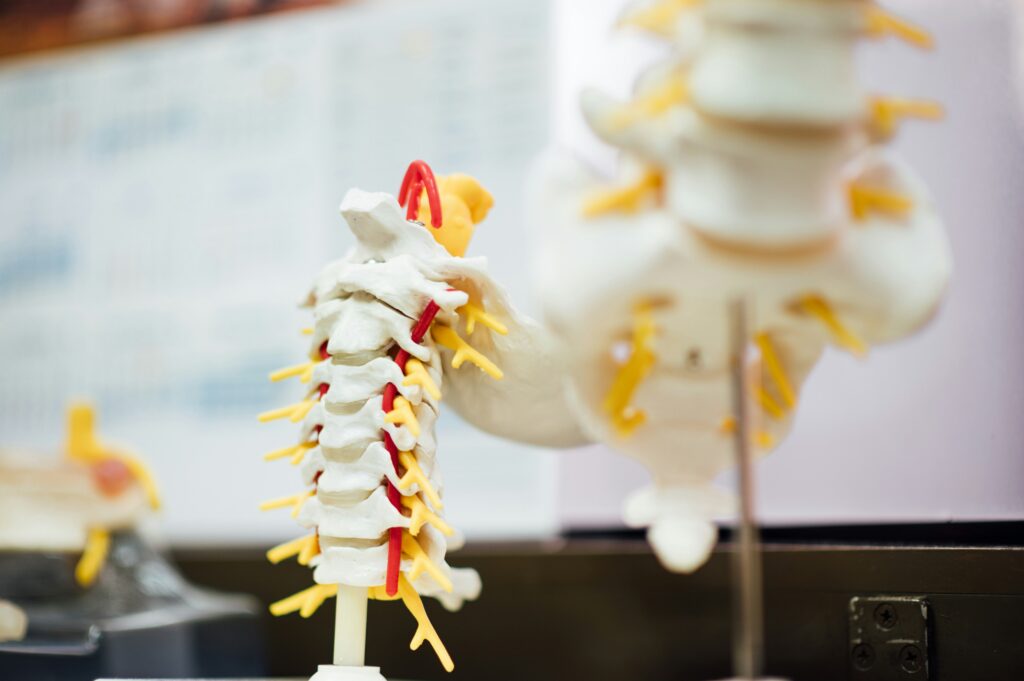
What Is Sciatica?
Sciatica refers to pain caused by irritation or compression of the sciatic nerve, which runs from the lower spine through the hips and buttocks and extends down each leg. This condition usually affects only one side of the body and can range from mild discomfort to severe pain.
The pain often begins in the lower back and radiates along the path of the nerve, sometimes reaching the foot. While sciatica can be painful, most cases can be treated effectively with proper medical care and lifestyle changes.
Common Causes of Sciatica
Several underlying conditions can lead to sciatica by putting pressure on the sciatic nerve.
1. Slipped or Herniated Disc
One of the most common causes of sciatica is a slipped disc in the spine. When the soft inner part of a spinal disc pushes out through a crack in the outer layer, it can press on nearby nerves, including the sciatic nerve.
2. Spinal Stenosis
Spinal stenosis occurs when the spinal canal becomes narrow, placing pressure on the nerves that travel through the spine.
3. Degenerative Disc Disease
As people age, spinal discs naturally wear down. This degeneration can irritate nearby nerves and lead to sciatic pain.
4. Bone Spurs
Extra bone growths, known as bone spurs, can develop on the spine and compress the sciatic nerve.
5. Injury or Trauma
Accidents, falls, or sports injuries can also damage the spine and trigger sciatica.
Symptoms of Sciatica
Sciatica symptoms can vary depending on the severity of nerve compression. The most common symptoms include:
- Lower back pain
- Pain that radiates from the lower back to the leg
- Burning or tingling sensation in the leg
- Numbness or weakness in the leg or foot
- Pain that worsens when sitting for long periods
- Difficulty standing or walking comfortably
In severe cases, the pain may become sharp and intense, making everyday activities difficult.
Risk Factors for Sciatica
Certain factors can increase the likelihood of developing sciatica:
- Poor posture
- Sedentary lifestyle
- Obesity
- Heavy lifting or physically demanding jobs
- Prolonged sitting
- Aging and spinal degeneration
Maintaining a healthy lifestyle can significantly reduce the risk of developing sciatic nerve pain.
Treatment Options for Sciatica
The treatment for sciatica depends on the underlying cause and severity of symptoms. Most patients improve with non-surgical treatments.
1. Medications
Doctors may prescribe anti-inflammatory medications, muscle relaxants, or pain relievers to reduce discomfort and inflammation.
2. Physiotherapy
Physical therapy exercises help strengthen the muscles supporting the spine, improve flexibility, and reduce pressure on the sciatic nerve.
3. Lifestyle Changes
Simple changes such as maintaining proper posture, avoiding prolonged sitting, and practicing regular stretching exercises can help relieve symptoms.
4. Spinal Injections
In some cases, doctors may recommend targeted injections such as nerve root blocks or epidural injections to reduce inflammation and pain.
5. Minimally Invasive Spine Procedures
If conservative treatments do not provide relief, minimally invasive procedures may be considered to relieve nerve compression and restore normal function.
When Should You See a Doctor?
While mild sciatica may improve with rest and home care, it is important to consult a spine specialist if you experience:
- Severe or persistent pain
- Numbness or weakness in the leg
- Difficulty controlling bladder or bowel movements
- Pain following an injury or accident
Early diagnosis and treatment can prevent complications and promote faster recovery.
Preventing Sciatica
Although sciatica cannot always be prevented, adopting healthy habits can help protect your spine and reduce the risk of nerve compression.
Helpful preventive measures include:
- Maintaining good posture while sitting and standing
- Exercising regularly to strengthen the back and core muscles
- Avoiding heavy lifting or using proper lifting techniques
- Maintaining a healthy weight
- Taking breaks from prolonged sitting
Conclusion
Sciatica can cause significant discomfort and interfere with daily activities, but the good news is that most cases can be treated effectively with early diagnosis and proper care. Understanding the causes and symptoms of sciatica helps you recognize the condition early and seek professional treatment when needed.
With the right combination of medical care, physiotherapy, and lifestyle adjustments, many individuals can recover fully and return to their normal activities without long-term complications.