
Why Faster Healing and Stability Matter in Spine Treatment
Spine problems affect movement balance and confidence in everyday life. When pain persists for months it slowly changes how a person sits walks and works. Traditional spine surgeries often solve the problem but come with long recovery times and muscle weakness. Today patients want solutions that heal the spine without disturbing the body’s natural strength. This need has made minimally invasive spine surgery a preferred option for people who want quicker healing and long term spinal stability.
Understanding the Concept of Minimally Invasive Spine Surgery
Minimally invasive spine surgery is a modern surgical approach that treats spine conditions through very small incisions. Instead of cutting large muscles surgeons use precise instruments and imaging guidance to reach the affected area. This method protects surrounding tissues and allows the spine to heal naturally after correction. Because the structure of the spine is preserved patients experience better balance strength and postural support after surgery.
How Minimally Invasive Spine Surgery Promotes Faster Healing
Faster healing is one of the biggest advantages of minimally invasive spine surgery. Since muscles and soft tissues are not heavily damaged the body does not need to spend weeks repairing surgical trauma. Blood loss is minimal pain levels are lower and inflammation is reduced. Patients are often encouraged to start gentle movement early which improves circulation and speeds up recovery. This approach allows the spine to heal efficiently without unnecessary strain.
The Role of Stability in Long Term Spine Health
Healing alone is not enough if the spine is unstable. Minimally invasive spine surgery focuses equally on restoring spinal stability. By targeting only the damaged portion of the spine surgeons avoid weakening healthy structures. This precision helps maintain alignment and load balance across the spine. Stable spinal support reduces the risk of future pain and repeat procedures making minimally invasive spine surgery a long term solution rather than a temporary fix.
Conditions That Benefit From Minimally Invasive Spine Surgery
Many common spine conditions respond well to minimally invasive spine surgery. These include slipped disc spinal stenosis sciatica nerve compression degenerative disc disease and selected spinal fractures. Patients who struggle with back pain leg pain or numbness often notice improvement soon after treatment. The procedure addresses the cause of pain while allowing the spine to regain its natural function and stability.
Reduced Physical Stress Leads to Better Recovery
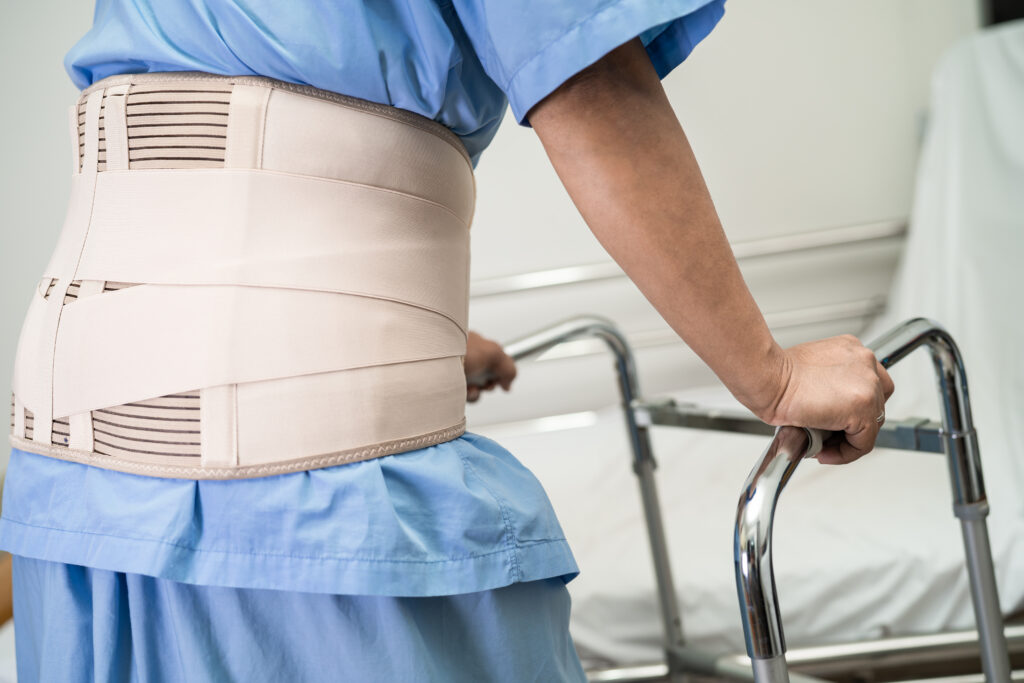
One major reason minimally invasive spine surgery supports better healing is reduced physical stress on the body. Traditional open surgeries often weaken muscles that support the spine leading to prolonged stiffness. Minimally invasive spine surgery preserves these muscles which helps patients regain strength naturally. When the body is not overwhelmed by surgical trauma recovery becomes smoother and more predictable.
Why Precision Matters in Spine Surgery
Precision is central to the success of minimally invasive spine surgery. Advanced imaging and specialized tools allow surgeons to work with accuracy at every step. This precision minimizes damage to nerves joints and surrounding tissues. When the surgical correction is accurate the spine heals in the correct alignment improving both mobility and long term stability. Precision driven care reduces complications and improves patient confidence.
Expert Care and Personalized Treatment Planning
The success of minimally invasive spine surgery depends greatly on proper planning and expertise. At Orthospine Care each patient undergoes a detailed evaluation to determine the most suitable treatment path. Not every spine condition requires surgery and when it does the least invasive option is always considered first. This patient focused approach ensures safety optimal healing and durable results.
Post Surgery Recovery and Rehabilitation
After minimally invasive spine surgery recovery begins earlier than with traditional procedures. Patients are guided through gentle movements and physiotherapy to strengthen the spine. This controlled rehabilitation supports healing while maintaining stability. Regular follow ups help track progress and prevent future spine issues. With proper care patients return to daily activities feeling stronger and more confident.
Long Term Benefits of Minimally Invasive Spine Surgery
The long term advantages of minimally invasive spine surgery go beyond pain relief. Patients experience improved posture better flexibility and reduced stiffness. Preserving natural spinal structures helps maintain strength as the body ages. By supporting faster healing and stability minimally invasive spine surgery improves quality of life and reduces the likelihood of recurring spine problems.
Why Orthospine Care Emphasizes Modern Spine Solutions
Orthospine Care is dedicated to providing advanced spine treatments that prioritize healing stability and patient comfort. By focusing on minimally invasive spine surgery the clinic delivers care that aligns with modern medical standards and patient expectations. From diagnosis to recovery every step is designed to support lasting spine health and safe mobility.
Conclusion
Spine treatment has evolved to focus on outcomes that matter most to patients healing stability and confidence. Minimally invasive spine surgery offers a balanced approach that corrects spine problems while protecting the body’s natural strength. With expert care at Orthospine Care patients can recover faster maintain spinal stability and return to an active pain free life. Choosing minimally invasive spine surgery is a step toward long term spine wellness and reliable recovery.