
The Knee Injury That Stops Athletes in Their Tracks — And How to Come Back Stronger
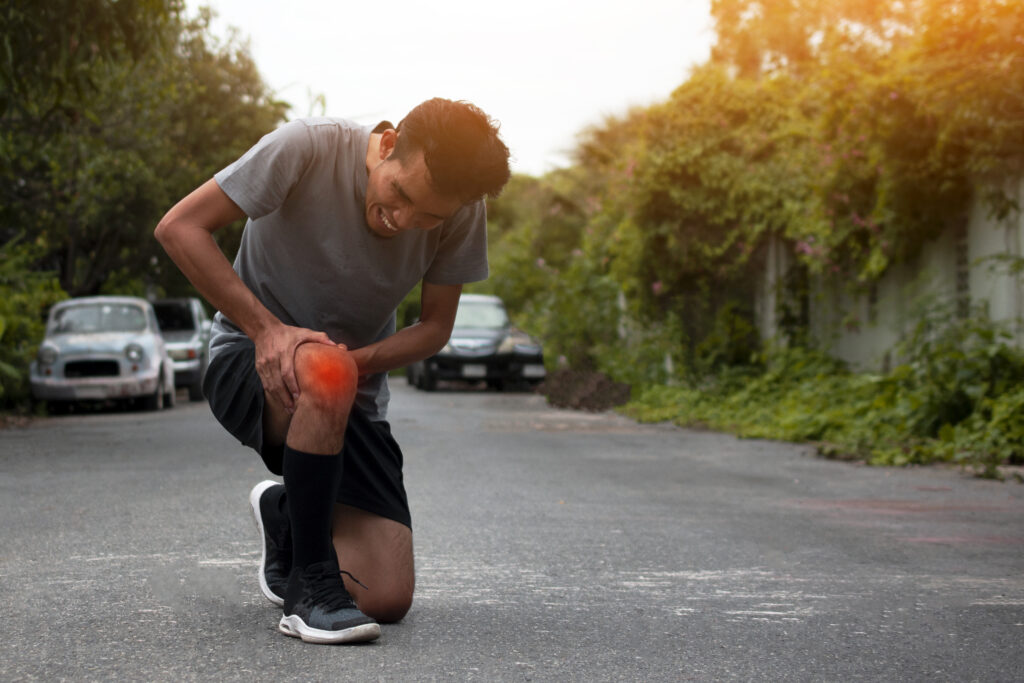
One moment you are sprinting across the field, pivoting hard to change direction, or landing from a jump — and in the next moment, something feels terribly wrong inside your knee. There is a pop, sometimes audible, sometimes just felt deep within the joint. Then comes the swelling, the stiffness, and a pain that makes you wonder whether your sporting life is over. If this experience sounds familiar, there is a very strong chance you have injured your meniscus — one of the most commonly torn structures in the knee, and one that responds exceptionally well to the right treatment when addressed promptly and correctly.
The good news, which most athletes and active individuals never hear early enough, is that a meniscus tear does not automatically mean the end of your time on the field. With advances in orthopaedic care and the right specialist guiding your recovery, many patients return to full sporting activity faster than they ever expected. At Orthospine in Sadashivanagar, North Bangalore, Dr. Prajwal GS works with athletes, weekend warriors, and active individuals every week to get them back to doing what they love — with a knee that feels strong, stable, and reliable.
Understanding the Meniscus and Why It Matters So Much to Your Knee
To understand why a meniscus tear is such a significant injury, you first need to appreciate what the meniscus actually does. Inside each knee joint, there are two C-shaped pieces of cartilage — one on the inner side of the knee called the medial meniscus, and one on the outer side called the lateral meniscus. These two structures sit between the femur, which is the thigh bone, and the tibia, which is the shin bone, acting as natural shock absorbers, load distributors, and stabilisers for the entire joint.
Every time you walk, run, squat, jump, or change direction, the menisci are working actively to protect the joint surfaces and distribute pressure evenly across the knee. Without them functioning properly, the direct bone-on-bone contact that results leads to accelerated cartilage wear, pain, instability, and over time, the very real risk of developing premature osteoarthritis. This is why treating a meniscus tear correctly and promptly is about much more than just getting back to sport — it is about protecting your knee for the decades ahead.
How Meniscus Tears Happen and Who Is Most at Risk
Meniscus tears fall broadly into two categories — acute traumatic tears and degenerative tears. Acute tears are the ones most commonly seen in athletes and younger, active individuals. They typically happen during a specific movement or impact: a sudden twist of the knee while the foot remains planted on the ground, a direct blow to the knee during contact sport, or a forceful squat that loads the joint beyond what the tissue can handle. Football, cricket, basketball, kabaddi, badminton, and martial arts are among the sports where meniscus injuries occur most frequently.
Degenerative tears, on the other hand, develop gradually over time as the meniscal tissue weakens and loses its resilience with age. These are more common in individuals above 40 and often occur with relatively minor movements — something as seemingly harmless as getting up awkwardly from a squatting position or stepping off a kerb at an odd angle. The underlying tissue has been under cumulative stress for years, and it finally gives way.
Risk factors that increase susceptibility to meniscus tears include weak quadriceps and hamstring muscles that leave the knee joint less protected, poor flexibility particularly around the hips and hamstrings, previous knee injuries that have altered joint mechanics, and sports that involve repeated pivoting, cutting, and deceleration. Understanding which category your tear falls into is a critical part of determining the most effective treatment approach.
Recognising the Symptoms of a Meniscus Tear
The symptoms of a meniscus tear are distinctive enough that many experienced orthopaedic specialists can identify the injury from clinical examination alone, even before imaging is performed. The most common presenting complaint is pain along the joint line of the knee — that is, the crease on either the inner or outer side of the knee where the two bones meet. This pain is typically made worse by activities that involve twisting or rotating the knee, deep squatting, or climbing and descending stairs.
Swelling is another hallmark symptom, and it usually develops within the first 24 to 48 hours after the injury. Unlike some other knee injuries where swelling is immediate, meniscal bleeding and fluid accumulation build up more gradually. Many patients also describe a sensation of the knee catching or clicking during movement — a mechanical feeling as though something is getting stuck inside the joint. In more significant tears, particularly those involving a flap of tissue that folds into the joint, the knee can actually lock in a partially bent position and refuse to straighten fully. This locked knee is a situation that requires urgent orthopaedic evaluation.
If you are experiencing any combination of these symptoms after a knee injury, visiting a sports injury specialist in Bangalore promptly is strongly advisable. Early evaluation at Orthospine ensures you get the right diagnosis and start the right treatment before the injury has a chance to progress.
Diagnosing a Meniscus Tear: What to Expect at Orthospine
When you visit Orthospine with a suspected meniscus tear, Dr. Prajwal GS begins with a detailed clinical assessment. This includes a thorough history of how the injury occurred, the exact location and character of your symptoms, and how the knee has been behaving since the injury. A hands-on physical examination follows, during which specific clinical tests are performed to assess the integrity of the meniscal tissue, the stability of the surrounding ligaments, and the overall mechanical function of the knee.
Imaging plays an essential supporting role. An MRI scan is the gold standard investigation for meniscal injuries because it allows detailed visualisation of the soft tissue structures inside the knee without any radiation exposure. It shows the exact location and extent of the tear, whether surrounding structures such as the ACL or cartilage surfaces have also been affected, and importantly, the quality of the remaining meniscal tissue — all of which directly influence the treatment decision. X-rays may also be requested to assess the bony architecture of the joint and rule out associated fractures or degenerative changes.
This thorough diagnostic process is what separates a well-managed meniscus tear from one that gets inadequately treated and leads to prolonged pain, recurrent swelling, and long-term joint damage.
Meniscus Tear Treatment Options: Non-Surgical and Surgical Approaches
Here is what every athlete and active person needs to hear: not every meniscus tear requires surgery. The appropriate treatment depends on multiple factors including the type, size, and location of the tear, the patient’s age and activity level, the presence of associated injuries, and how the knee is responding in the days following injury.
Small, stable tears located in the outer third of the meniscus — a zone that has a relatively good blood supply — have a reasonable capacity to heal with conservative management. This typically involves a structured period of relative rest combined with targeted physiotherapy. The rehabilitation programme focuses on reducing swelling and restoring range of motion in the initial phase, then progressively building the strength of the quadriceps, hamstrings, and hip stabilisers to offload the knee joint and support full recovery. When executed consistently and correctly, conservative management for appropriate tear types delivers excellent long-term outcomes.
For patients with persistent pain and swelling that is not responding to conservative care, or for those with mechanical symptoms such as locking and catching, interventional treatments can be extremely valuable. PRP therapy — Platelet Rich Plasma injections — uses concentrated growth factors from the patient’s own blood to accelerate the biological healing environment within the knee joint. This is one of the regenerative orthopaedic treatments that Dr. Prajwal GS offers at Orthospine, and it has proven particularly effective in reducing inflammation, supporting tissue healing, and helping patients avoid or delay surgical intervention.
When surgery does become necessary — for complex tears, locked knees, tears in younger active patients who have failed conservative management, or tears associated with ligament injuries — arthroscopic surgery is the current gold standard. Arthroscopy involves tiny incisions through which a miniature camera and surgical instruments are introduced into the knee joint. Depending on the nature of the tear, the surgeon may perform a meniscal repair, stitching the torn edges back together to restore the tissue’s natural structure, or a partial meniscectomy, removing only the damaged portion of the meniscus while preserving as much healthy tissue as possible. Meniscal repair is always preferred when the tear is in a location with adequate blood supply and the tissue quality is good, because preserving the meniscus protects the knee from long-term degeneration far better than removing tissue does.
Recovery and Return to Sport: A Realistic but Optimistic Timeline
One of the most common questions Dr. Prajwal GS hears from athletes at Orthospine is how long recovery will take. The honest answer is that it depends on the severity of the tear and the treatment path taken, but the timelines are significantly more encouraging than most people expect.
For minor tears managed conservatively, a gradual return to light sporting activity can often begin within four to six weeks, with full return to competitive sport achievable in eight to twelve weeks when rehabilitation is followed diligently. For patients who undergo arthroscopic partial meniscectomy, the recovery is often surprisingly quick — many patients are walking comfortably within a few days, and return to sport typically occurs within six to ten weeks depending on the demands of the specific activity.
Meniscal repair surgery, because it involves healing of sutured tissue rather than simple removal, requires a longer and more carefully managed recovery — generally three to six months before return to full competitive sport. However, the long-term payoff of preserving the meniscus makes this investment in recovery time genuinely worthwhile. Throughout the entire recovery journey, a structured, milestone-based physiotherapy programme ensures that return to sport happens when the knee is genuinely ready — not just when the pain has subsided.
Why Choosing the Right Specialist in Bangalore Makes All the Difference
Meniscus tear management is not a one-size-fits-all situation. The decision of whether to manage conservatively, inject, or operate — and precisely which surgical technique to use when surgery is chosen — requires deep clinical experience and a thorough understanding of knee biomechanics. Getting this decision right the first time protects the long-term health of the joint and dramatically influences how quickly and completely you return to sport.
Dr. Prajwal GS at Orthospine brings specialist training in sports injuries, ligament reconstruction, and minimally invasive orthopaedic procedures to every knee case he manages. His approach is rooted in preserving natural joint structures wherever possible, using surgical intervention only when it is genuinely the most beneficial path forward, and supporting every patient through a scientifically structured rehabilitation journey that optimises their long-term outcome.
The clinic is conveniently located in Sadashivanagar, North Bangalore, making it accessible to patients from Hebbal, Malleshwaram, Yelahanka, Rajajinagar, Mathikere, and all surrounding areas of the city.
What You Can Do Right Now to Help Your Knee
If you have sustained a knee injury and suspect a meniscus tear, there are immediate steps you can take while you arrange your specialist consultation. In the first 48 to 72 hours, apply ice wrapped in a cloth to the knee for 15 to 20 minutes every few hours to manage swelling. Keep the leg elevated when resting and avoid activities that reproduce the pain or cause the knee to swell further. A compression bandage or knee sleeve can help control swelling and provide a degree of comfort.
Avoid the temptation to push through the pain and return to sport before getting a professional evaluation. A tear that might have healed beautifully with conservative management can become significantly more complex if the knee continues to be stressed before the extent of the injury is properly understood. Getting the diagnosis right early is always the smartest and most time-efficient decision you can make.
Conclusion: Your Comeback Starts With the Right Call
A meniscus tear is one of the most treatable knee injuries in orthopaedic medicine today. With the right diagnosis, an individualised treatment plan, and a specialist who understands both the biology of healing and the demands of the sport you love, getting back on the field is not just possible — it is expected. Do not let fear, misinformation, or the wrong advice keep you sidelined longer than you need to be.
At Orthospine, Dr. Prajwal GS is ready to give your knee the expert attention it deserves. Whether your path to recovery runs through physiotherapy, regenerative treatment, or minimally invasive surgery, you will have a specialist by your side every step of the way. Your comeback starts with one consultation.
Call Orthospine today at 9740559577 or visit the clinic at No 2, 10th Cross Road, Sadashivanagar, Bangalore — 560080, near Rashtrotthana Yoga Centre.