
Understanding what the body goes through after trauma
When an accident, fall or sudden impact occurs, the body reacts instantly. Muscles tighten, breathing changes, and pain spreads quickly. The injured area swells, movement becomes restricted and the body tries to protect itself. But natural response alone is not enough to ensure correct healing. This is where trauma care treatment becomes critical. Trauma affects more than bones and muscles, it affects balance, circulation, nerve response, shock and internal stability. When handled the right way, recovery becomes safer and long term function is preserved. At Orthospine Care, treatment begins by calming the injury, controlling swelling and preventing further damage.
Where trauma care treatment begins for critical injuries
The first moments after trauma decide the direction of recovery. Quick assessment prevents complications and reduces long term risk. Trauma care treatment begins with stabilisation because movement during the early phase can shift bones, tear tissues further or increase internal bleeding. At Orthospine Care, the first step is to protect the injured area, check vital response and decide whether advanced imaging or emergency support is needed. This early approach avoids delayed healing and prevents small injuries from turning serious.
How trauma care treatment stabilises the body for recovery
Trauma disrupts alignment, blood flow, nerve function and joint stability. If not corrected early, the damage increases. Trauma care treatment stabilises the impacted region using splints, supports, controlled positioning or casting depending on severity. Pain control and swelling management are introduced immediately because calm tissues heal better. At Orthospine Care, stabilisation is customised, not rushed, ensuring the patient remains comfortable while healing begins in a controlled manner.
How trauma care treatment promotes safe internal healing
Healing is not just about resting the body. It is about allowing damaged tissues to repair without pressure or repeated strain. Trauma care treatment ensures this by keeping alignment correct, improving circulation and preventing infection. Bones, tendons, ligaments and muscles need oxygen, blood support and gentle recovery time to regain strength. At Orthospine Care, the goal is not fast healing, but safe healing that lasts. By maintaining proper support, the injured area receives what it needs to rebuild correctly.
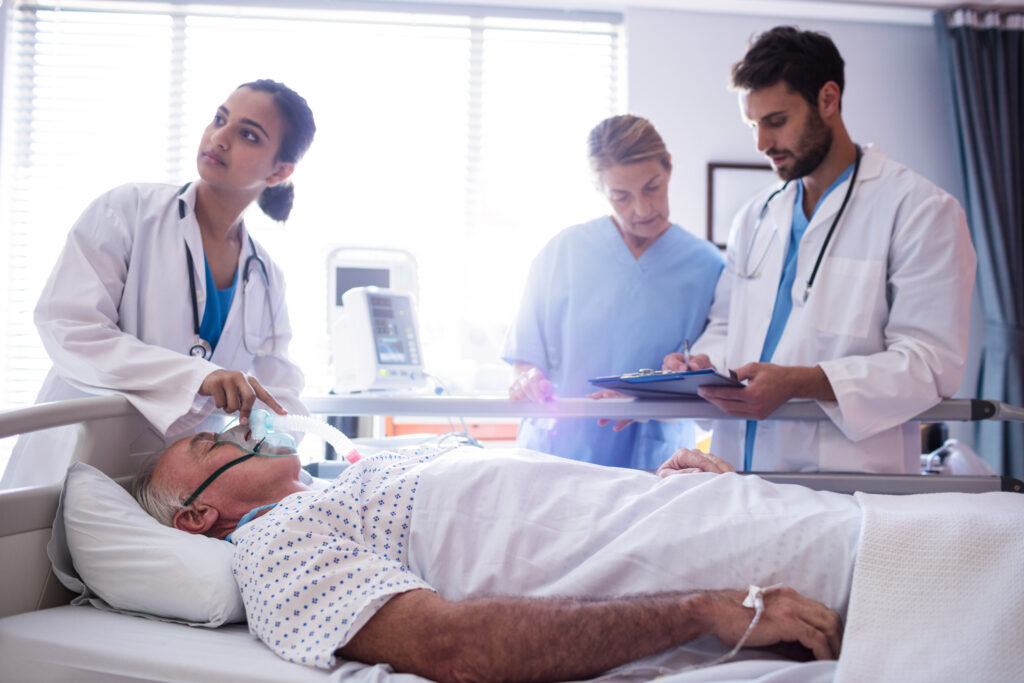
Why trauma care treatment prevents lifelong complications
Improper healing after trauma can lead to deformity, movement restrictions or chronic pain. When fractures shift out of line or soft tissue heals unevenly, the body develops compensation habits. This results in long term imbalance, stiffness and weakness. Proper trauma care treatment prevents these outcomes by ensuring that tissue alignment remains correct until healing completes. At Orthospine Care, specialists follow each stage carefully, making sure that treatment stays effective from start to finish.
Where rehabilitation fits into trauma care treatment
Stabilisation is only the first stage. Once the injured area begins to heal, the focus turns to movement and function. Muscles surrounding the injury can weaken if unused. Joints lose flexibility. Balance and coordination reduce. This is why trauma care treatment naturally progresses into rehabilitation. At Orthospine Care, recovery includes guided physiotherapy, strengthening routines and gradual mobility training. This prevents stiffness and prepares the body to return to normal activity without hesitation or fear.
How Orthospine Care personalises trauma care treatment for each patient
Trauma affects everyone differently. Age, bone density, injury type, fitness level and pre-existing conditions all influence recovery. At Orthospine Care, treatment is never one-size-fits-all. Every patient undergoes detailed evaluation, ensuring that trauma care treatment matches their recovery needs. Some require advanced imaging, others require immobilisation and some need early physiotherapy support. Personalised planning makes healing smoother and prevents setbacks.
When trauma care treatment becomes urgent rather than optional
If pain increases, swelling spreads, movement becomes impossible or the injured area feels unstable, immediate attention is required. Delaying care puts pressure on the injury and increases risk of long term damage. Trauma care treatment becomes necessary when the body cannot stabilise itself. At Orthospine Care, urgent intervention prevents worsening conditions and restores safety during the most critical period. Quick action means better, stronger healing.
Conclusion
Trauma can interrupt life suddenly, but with structured care, recovery becomes predictable, safer and complete. Trauma care treatment stabilises injuries, protects alignment, supports tissue repair and prevents long term complications. At Orthospine Care, each stage of recovery is guided professionally with personalised planning, close monitoring and rehabilitation support. With the right care at the right time, trauma does not have to leave permanent damage, and healing becomes a path back to strength, confidence and normal movement.