
Common Ligament Injuries and How They Are Treated
Ligaments are strong bands of connective tissue that connect bones to each other and help stabilize the joints. They play an important role in maintaining balance, supporting movement, and preventing excessive joint motion. However, sudden movements, accidents, sports activities, or repetitive stress can cause ligament injuries, leading to pain, swelling, and limited mobility.
Ligament injuries are quite common, especially among athletes and physically active individuals. Understanding the causes, symptoms, and treatment options can help ensure proper recovery and prevent long-term joint problems.
What Are Ligament Injuries?
A ligament injury occurs when a ligament is stretched, partially torn, or completely torn due to excessive force applied to a joint. These injuries are often referred to as sprains and can vary in severity depending on the extent of the damage.
Ligament injuries can affect various joints in the body, including the knee, ankle, wrist, shoulder, and thumb. The severity of the injury may range from mild discomfort to severe instability in the joint.
Common Types of Ligament Injuries
1. Ankle Sprain
An ankle sprain is one of the most common ligament injuries. It usually occurs when the foot twists or rolls unexpectedly, stretching or tearing the ligaments that support the ankle joint.
Symptoms may include:
- Swelling around the ankle
- Pain while walking or standing
- Bruising or tenderness
- Limited range of motion
Ankle sprains often occur during sports activities, uneven walking surfaces, or sudden changes in direction.
2. ACL Injury (Anterior Cruciate Ligament)
The ACL is one of the key ligaments in the knee that helps stabilize the joint. ACL injuries often occur during sports that involve sudden stops, jumps, or rapid direction changes.
Common symptoms include:
- Sudden knee pain
- Swelling in the knee
- Difficulty bearing weight
- Feeling of knee instability
ACL injuries may require specialized treatment depending on the severity.
3. Wrist Ligament Injuries
Wrist ligament injuries typically occur due to falls where a person tries to break the fall with their hands. These injuries can lead to pain, swelling, and difficulty moving the wrist.
Without proper treatment, wrist ligament injuries may cause long-term weakness or instability.
4. Shoulder Ligament Injuries
Shoulder ligament injuries can occur due to sports activities, heavy lifting, or accidents. These injuries may affect shoulder stability and make it difficult to lift or rotate the arm.
Common symptoms include pain, weakness, and limited shoulder movement.
Symptoms of Ligament Injuries
Although symptoms may vary depending on the affected joint and severity of the injury, common signs include:
- Sudden pain after injury
- Swelling around the joint
- Bruising or tenderness
- Reduced joint movement
- Feeling of joint instability
- Difficulty using the affected limb
If these symptoms persist, it is important to seek medical attention to avoid complications.
How Ligament Injuries Are Diagnosed
Doctors typically begin diagnosis with a physical examination to assess pain, swelling, and joint stability. In some cases, imaging tests may be recommended to evaluate the severity of the injury.
Common diagnostic methods include:
- X-rays to rule out fractures
- MRI scans to examine ligament damage
- Ultrasound imaging to assess soft tissue injuries
Accurate diagnosis helps doctors determine the most effective treatment plan.
Treatment Options for Ligament Injuries
Treatment for ligament injuries depends on the severity of the damage and the joint involved. Many mild to moderate injuries can be treated without surgery.
1. Rest and Protection
Resting the affected joint is essential for healing. Avoiding activities that strain the ligament helps prevent further damage.
2. Ice and Compression
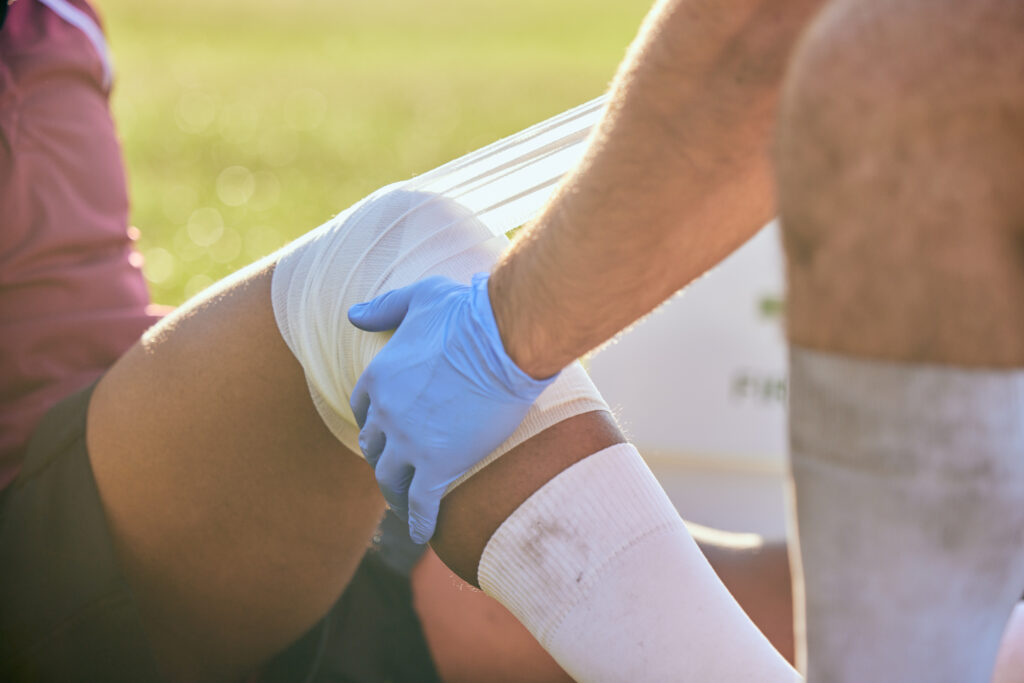
Applying ice packs and using compression bandages can help reduce swelling and relieve pain.
3. Physiotherapy
Physiotherapy plays a crucial role in restoring strength, flexibility, and stability to the injured joint. Rehabilitation exercises help patients regain mobility and prevent future injuries.
4. Medications
Doctors may recommend anti-inflammatory medications to reduce pain and swelling.
5. Minimally Invasive Procedures
In cases of severe ligament tears or joint instability, minimally invasive surgical procedures may be required to repair or reconstruct the damaged ligament.
Recovery and Rehabilitation
Recovery time varies depending on the severity of the injury. Mild ligament sprains may heal within a few weeks, while more serious injuries may require several months of rehabilitation.
Following the doctor’s advice, completing physiotherapy sessions, and gradually returning to physical activity are essential for successful recovery.
Preventing Ligament Injuries
While these cannot always be avoided, certain precautions can help reduce the risk:
- Perform proper warm-up exercises before sports or workouts
- Strengthen muscles around joints through regular exercise
- Wear supportive footwear during physical activities
- Avoid sudden movements or overexertion
- Maintain good flexibility and balance
These preventive measures help protect joints and reduce the likelihood of ligament damage.
Conclusion
These are common but manageable with timely medical care and proper rehabilitation. Whether caused by sports, accidents, or daily activities, early diagnosis and treatment are key to preventing long-term joint instability and chronic pain.
With modern treatment methods, physiotherapy, and expert orthopedic care, most individuals can recover fully and return to their normal activities. If you experience persistent joint pain or swelling after an injury, consulting a medical specialist can help ensure the best possible recovery.