
Common Congenital Orthopedic Conditions in Infants and Children
A child’s bones and joints have significant stages of growth and development. At times, babies may be born with certain orthopedic conditions that impact their bones and joints in terms of shape, alignment, and movement. These are known as congenital orthopedic conditions, which means that they occur in a child from birth.
When one learns about a condition that is congenital in nature, it may be a source of concern for parents. However, it should be known that such conditions can be treated with proper medical care and diagnosis. Thus, with modern medical care and treatment for orthopedic conditions in children, it is possible for kids to have a healthy lifestyle and movement.
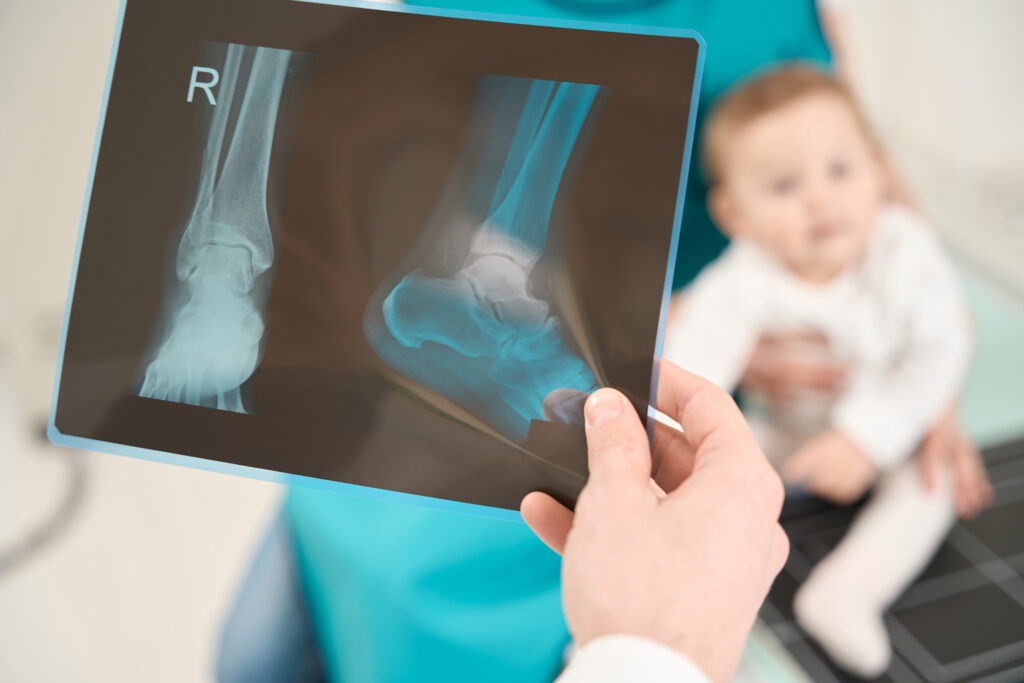
What Are Congenital Orthopedic Conditions?
Congenital orthopedic conditions are those conditions that occur in a child’s bones, joints, and muscles during pregnancy and are present in a child from birth. These may include conditions in a child’s feet, legs, hips, and spine, among other parts of their body.
Some may occur naturally in a child’s body and may disappear with time, while others may require medical care and treatment to correct their alignment and ensure proper growth and development in a child’s body.
Common Congenital Orthopedic Conditions
There are various congenital orthopedic conditions that affect children. Some of the most common congenital orthopedic conditions include:
Clubfoot
Clubfoot is one of the most common congenital orthopedic conditions. In this condition, a child is born with their feet twisted inward or downward. This occurs due to muscles and tendons in the feet being shorter than normal.
If this condition is not treated, it will definitely affect a child in their later years, as they will find it difficult to walk. However, this condition is treatable in most cases, and children born with this condition will grow normally.
Bow Legs
Bow legs is a congenital condition in which a child is born with their legs bowed outward at the knee. This makes their legs look like a bow. Bow legs are common in toddlers, and most children will grow out of this condition.
However, in some cases, bow legs will persist in children, and parents will have to take their children to doctors to find out why their legs are bowed outward.
Knock Knees
Knock knees is a condition in which a child is born with their knees touching each other but their ankles apart. This is common in young children.
If the condition worsens or persists in later childhood, medical intervention may be advised.
Developmental Dysplasia of the Hip (DDH)
This condition arises when the hip joint does not develop correctly, and the hip socket becomes too shallow. If not treated, this condition may impair the ability to walk and may cause instability in the hip joint.
Congenital Limb Differences
At birth, some babies may have differences in limb length or shape. These differences may involve the arms, legs, hands, or feet. Treatment for these conditions may vary, depending on the extent of the condition.
Causes of Congenital Orthopedic Conditions
The causes of congenital orthopedic conditions may not be clear in all instances. However, some of the causes may include:
- Genetic or family history
- Limited space in the womb
- Abnormal bone formation
- Certain medical problems that occurred while in the womb
- In most instances, the causes of congenital orthopedic conditions are not related to anything that occurred while the mother was pregnant.
Signs Parents Should Watch For
Parents have a critical role to play in the identification of signs that may indicate the occurrence of an orthopedic condition in their children. Some of the signs that parents should look out for include:
- Feet or legs that appear to have an unusual curvature or twisting
- Difficulty moving a joint
- Unequal leg length
- Delayed crawling or walking
- Abnormal patterns of walking as the child develops
- Parents should seek medical attention from a pediatric orthopedic specialist to determine the causes of their children’s symptoms.
Modern Treatment Options
Pediatric orthopedics have made tremendous progress, and congenital orthopedic conditions can now be treated effectively. The treatment depends on the age of the child, the condition, and the severity.
Some of the most common treatment options include:
Casting and Bracing
Special casts or braces can be used to treat some orthopedic conditions, such as clubfoot, by slowly correcting the bone alignment.
Physical Therapy
Physical therapy helps improve joint development and flexibility, as well as increase muscle strength.
Orthopedic Devices
Special orthotics, such as special shoes, can be used to improve the overall posture and gait.
Surgical Treatment
In some rare cases, surgery might be required to treat orthopedic conditions.
Importance of Early Treatment
One of the most important factors for successfully treating congenital orthopedic conditions is early treatment. If detected early, most orthopedic conditions can be treated effectively without surgery.
Supporting Healthy Growth and Development
A child’s bones and joints develop properly if he or she undergoes timely medical treatment. Parents play an important role in supporting the healthy growth and development of their child by attending regular pediatric checkups and growth milestones. Parents can encourage their child to participate in sports, eat healthy, and develop healthy bones.
Conclusion
Congenital orthopedic conditions in infants and children can affect bone alignment, joint stability, and movement. However, with modern medical treatments and early intervention, many of these conditions can be successfully managed or corrected.
Awareness and timely consultation with orthopedic specialists play a vital role in ensuring healthy growth and development. By addressing these conditions early, parents can help their children achieve better mobility, confidence, and quality of life.