Blog

Your blog category

Orthopaedic Doctor Bangalore
Blog

Understanding Arthritis: Causes, Symptoms, and Modern Treatments

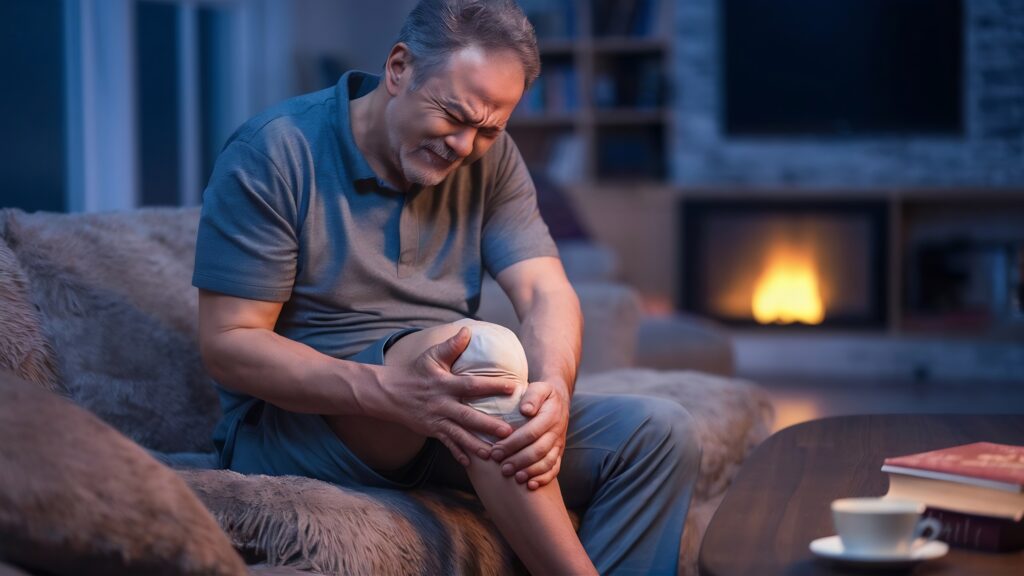
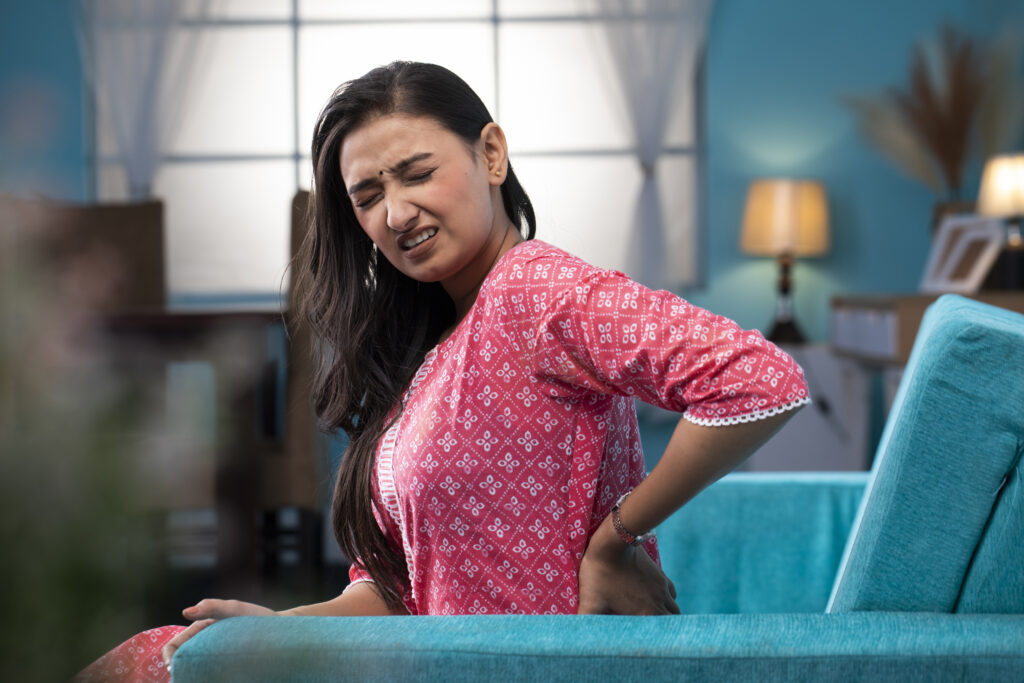
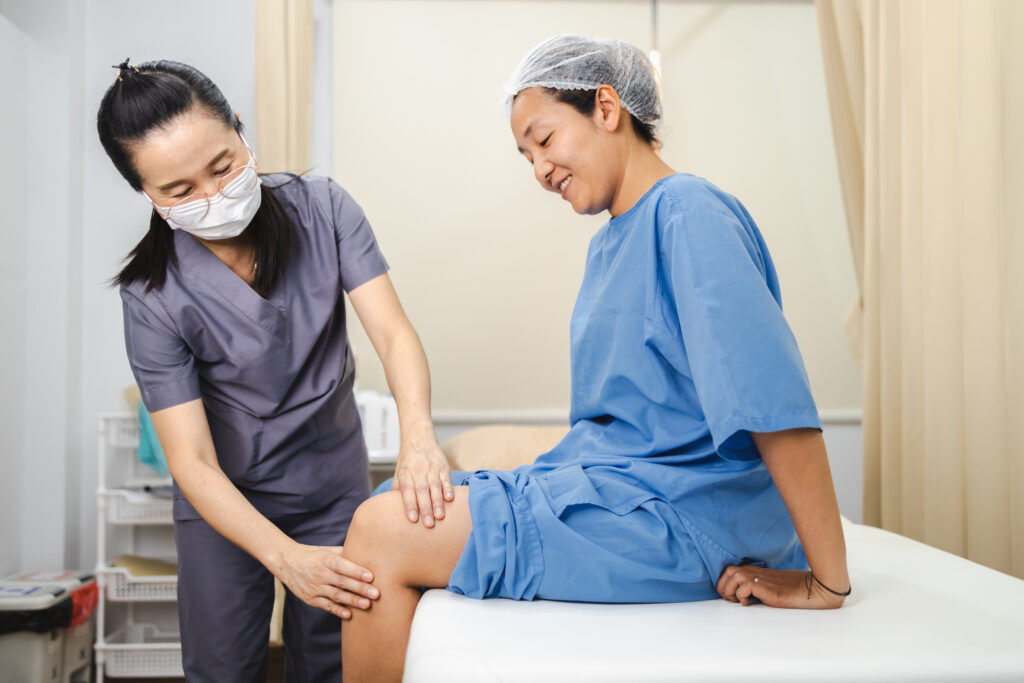
Understanding Arthritis: Causes, Symptoms, and Modern Treatments Arthritis is one of the most common conditions affecting joints and mobility worldwide. It can cause pain, stiffness, swelling, and difficulty in movement, making everyday activities challenging. While arthritis is often associated with aging, it can affect people of all age groups due to various factors such as injury, genetics, or autoimmune conditions. Understanding the causes, symptoms, and modern treatment options for arthritis can help individuals manage the condition effectively and maintain a better quality of life. What Is Arthritis? Arthritis is not a single disease but a term used to describe inflammation of the joints. The condition affects the tissues surrounding the joints, leading to discomfort and reduced mobility. There are several types of arthritis, but the most common ones include osteoarthritis and rheumatoid arthritis. Osteoarthritis usually occurs due to the gradual wear and tear of cartilage, which acts as a cushion between bones. Rheumatoid arthritis, on the other hand, is an autoimmune disorder where the body’s immune system mistakenly attacks the joints, causing inflammation and damage. Both types can lead to joint pain and stiffness, but their causes and treatment approaches may differ. Common Causes of Arthritis Arthritis can develop due to a combination of factors that affect joint health over time. Some of the most common causes include: Age-related Wear and TearAs people age, the cartilage that protects the joints may gradually break down, increasing the risk of osteoarthritis. Autoimmune DisordersIn rheumatoid arthritis, the immune system attacks healthy joint tissues, leading to inflammation and damage. Joint InjuriesPrevious injuries from sports, accidents, or physical strain can increase the likelihood of arthritis later in life. Genetic FactorsCertain types of arthritis may run in families, making some individuals more susceptible to developing the condition. Lifestyle FactorsObesity, lack of physical activity, and repetitive stress on joints can also contribute to arthritis development. Symptoms of Arthritis The symptoms of arthritis can vary depending on the type and severity of the condition. However, some common signs include: Rheumatoid arthritis may also cause fatigue, fever, and inflammation in multiple joints simultaneously. Recognizing these symptoms early can help in obtaining timely medical care and preventing further joint damage. Joints Commonly Affected by Arthritis Arthritis can affect almost any joint in the body, but it most commonly impacts: When these joints are affected, mobility may become limited, making it difficult to perform routine movements such as walking, bending, or gripping objects. Modern Treatments for Arthritis Advancements in orthopedic care have made arthritis management more effective than ever. Treatment options are designed to reduce pain, control inflammation, and improve joint function. Medications Doctors may prescribe medications to relieve pain and reduce inflammation in the joints. These medications can help manage symptoms and improve daily comfort. Physiotherapy and Rehabilitation Physiotherapy plays a vital role in strengthening the muscles around the joints and improving flexibility. Regular exercises recommended by specialists can help maintain joint mobility and reduce stiffness. Lifestyle and Weight Management Maintaining a healthy weight reduces pressure on weight-bearing joints such as the knees and hips. Balanced nutrition and regular physical activity also support overall joint health. Injections for Joint Pain Certain medical injections can help reduce inflammation and provide targeted pain relief directly within the joint. Surgical Treatment In severe cases where joint damage significantly affects mobility, surgical options such as joint replacement may be considered to restore function and relieve pain. Managing Arthritis in Daily Life Living with arthritis requires a proactive approach to joint care. Simple lifestyle changes can make a significant difference in managing symptoms. Regular low-impact exercises such as walking, swimming, or stretching can help maintain flexibility and strengthen muscles. Using ergonomic tools and maintaining proper posture can also reduce strain on joints. Additionally, following medical advice and attending regular check-ups helps monitor the condition and adjust treatment plans as needed. Importance of Early Diagnosis Early diagnosis is one of the most important factors in managing arthritis effectively. When detected early, treatment can help slow disease progression, reduce joint damage, and maintain mobility. Consulting a healthcare professional when experiencing persistent joint pain or stiffness ensures that the right treatment plan can be started as soon as possible. Conclusion Arthritis is a common condition that can significantly impact joint health and daily life if left untreated. However, with modern medical treatments, proper lifestyle management, and early diagnosis, many people are able to control symptoms and continue leading active lives. Understanding the causes and recognizing the symptoms of arthritis is the first step toward effective management. With the right care and guidance from orthopedic specialists, individuals can protect their joints, reduce pain, and improve their overall quality of life.
Orthopaedic Clinic Near Me
Blog

How Intra-Articular Injections Help Relieve Joint Pain

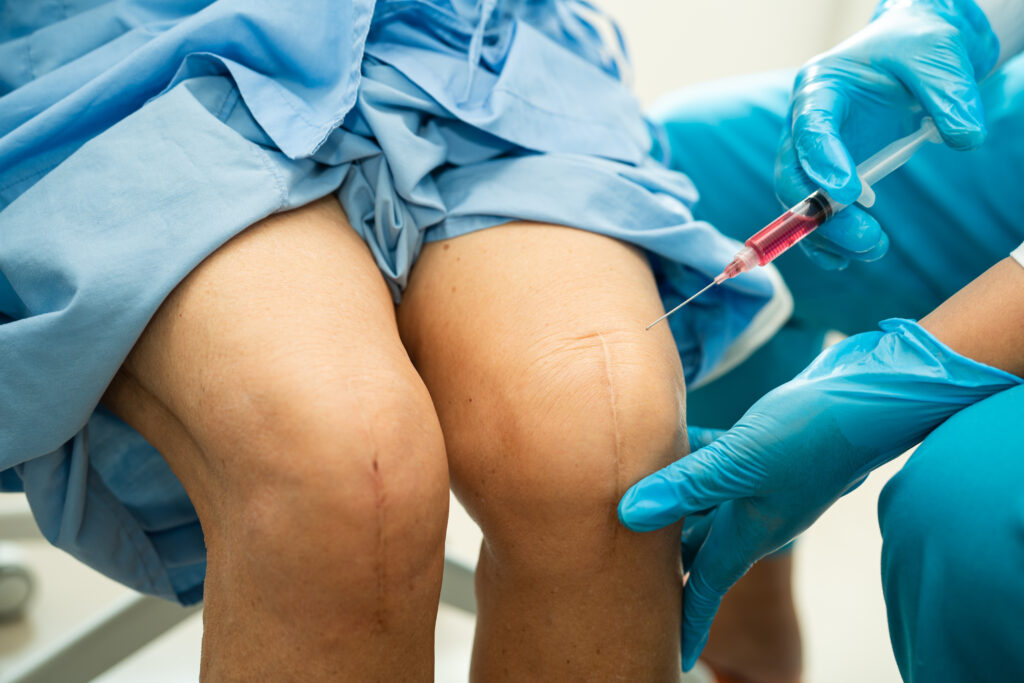
How Intra-Articular Injections Help Relieve Joint Pain Joint pain can significantly affect daily life, making simple activities like walking, climbing stairs, or lifting objects uncomfortable. Conditions such as arthritis, inflammation, or injuries can cause persistent joint pain that does not always respond to basic treatments like rest or medication. In such cases, modern medical solutions like intra-articular injections provide an effective and targeted way to relieve pain and improve joint function. Intra-articular injections have become an important part of orthopedic treatment, offering relief for many patients without the need for major surgery. What Are Intra-Articular Injections? Intra-articular injections involve delivering medication directly into a joint. The term “intra-articular” means inside the joint space, where the medication works directly on the affected area. These injections are commonly used to reduce inflammation, relieve pain, and improve mobility in joints that are affected by injury or degenerative conditions. Because the medication is delivered directly to the problem area, it often provides faster and more effective relief compared to oral medications. Conditions Treated with Intra-Articular Injections Doctors often recommend intra-articular injections for several joint-related conditions, including: These injections are commonly used for joints such as the knee, shoulder, hip, ankle, and wrist. Types of Intra-Articular Injections Different types of medications may be used depending on the patient’s condition and severity of pain. Corticosteroid Injections Corticosteroid injections are widely used to reduce inflammation within the joint. They help decrease swelling and provide relief from pain caused by inflammatory conditions. Hyaluronic Acid Injections Hyaluronic acid injections help lubricate the joint and improve movement. They are often used in patients with knee osteoarthritis to enhance joint cushioning and reduce friction. Platelet-Rich Plasma (PRP) Therapy PRP injections use the patient’s own blood components to promote healing in damaged tissues. This regenerative therapy is increasingly used to support joint repair and recovery. How the Procedure Works Intra-articular injections are usually performed in a clinical setting and take only a short time to complete. The doctor carefully cleans the area and may use imaging guidance to ensure precise placement of the injection. The medication is then delivered directly into the joint using a fine needle. Most patients experience minimal discomfort during the procedure. After the injection, patients may be advised to rest the joint for a short period before gradually returning to normal activities. Benefits of Intra-Articular Injections These injections offer several advantages for patients experiencing joint pain. Targeted Pain ReliefSince the medication is injected directly into the joint, it works precisely where the problem exists. Reduced InflammationThe treatment helps decrease swelling and irritation in the joint, leading to improved comfort. Improved MobilityBy reducing pain and stiffness, patients often experience better joint movement and flexibility. Non-Surgical Treatment OptionFor many individuals, injections provide relief without the need for invasive surgical procedures. Faster RecoveryMany patients notice improvement in symptoms within a short period after treatment. Are Intra-Articular Injections Safe? When performed by experienced medical professionals, these are generally considered safe. Doctors carefully evaluate each patient to determine whether the treatment is appropriate for their condition. While mild soreness may occur temporarily after the injection, serious complications are uncommon. When Should You Consider Joint Injections? Joint injections may be recommended when: An orthopedic specialist can assess the severity of the condition and determine the best treatment plan. Supporting Joint Health After Treatment While injections can provide significant pain relief, maintaining joint health is equally important. Doctors often recommend lifestyle changes such as: These steps help support long-term joint function and reduce the risk of recurring pain. Conclusion Intra-articular injections have become an effective solution for managing joint pain caused by arthritis, injuries, and other musculoskeletal conditions. By delivering medication directly into the joint, this treatment provides targeted relief, reduces inflammation, and improves mobility. For many patients, these injections offer a valuable non-surgical option that helps restore comfort and maintain an active lifestyle. If joint pain continues to affect your daily activities, consulting an orthopedic specialist can help determine whether intra-articular injections are the right treatment option for you.

Blog

How to Fix Bad Posture and Protect Your Spine

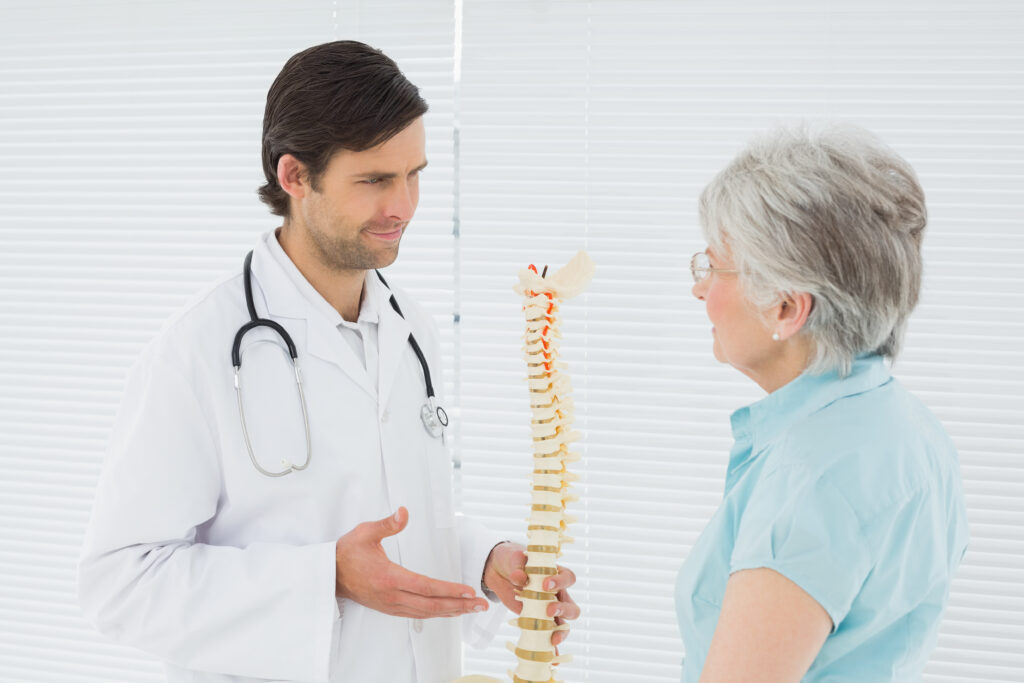
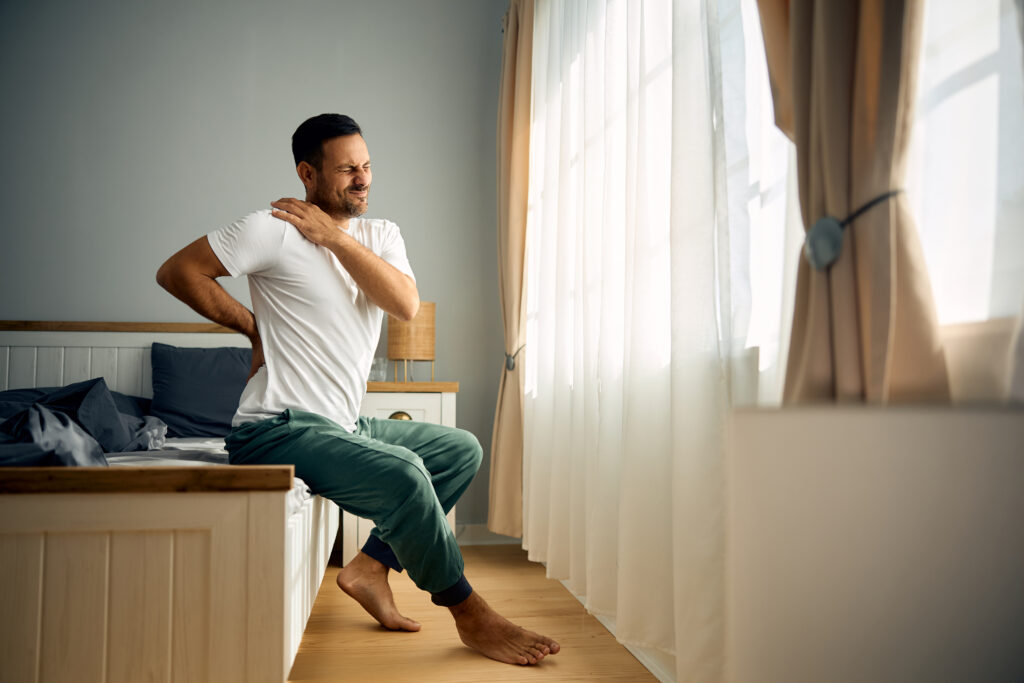
How to Fix Bad Posture and Protect Your Spine In today’s digital lifestyle, many people spend long hours sitting in front of computers, using smartphones, or working at desks. Over time, these habits can lead to poor posture, which puts unnecessary stress on the spine, muscles, and joints. While bad posture may seem like a minor issue at first, it can gradually cause back pain, neck strain, headaches, and long-term spinal problems.The good news is that with simple lifestyle changes and proper guidance, you can have Postural Correction and protect your spine for better long-term health. Understanding Bad Posture Posture refers to the way you hold your body while standing, sitting, or moving. Good posture keeps your bones and joints properly aligned, allowing muscles to work efficiently without excessive strain. Bad posture occurs when the body is not properly aligned. Common examples include slouching, hunching over a computer, leaning forward while using a phone, or sitting for long periods without proper back support. Over time, poor posture can place extra pressure on the spine and lead to discomfort or chronic pain. Common Causes of Poor Posture Several factors contribute to bad posture in daily life. Some of the most common causes include: These habits gradually affect spinal alignment and increase the risk of musculoskeletal problems. Signs That Your Posture Needs Improvement Poor posture often develops slowly, so many people may not notice it immediately. However, some common warning signs include: If these symptoms continue, it may indicate that your posture is affecting your spinal health. Simple Ways to Fix Bad Posture Improving posture does not happen overnight, but consistent effort can make a significant difference. Here are some practical ways to correct poor posture and protect your spine. 1. Maintain Proper Sitting Position When sitting at a desk, keep your back straight and shoulders relaxed. Your feet should rest flat on the floor, and your knees should be at a comfortable angle. Using a chair with proper lumbar support helps maintain the natural curve of the spine. 2. Adjust Your Workstation Your computer screen should be at eye level to prevent leaning forward or bending your neck. Keeping your keyboard and mouse within comfortable reach can also reduce strain on your shoulders and wrists. 3. Take Regular Breaks Sitting for long periods can cause muscle stiffness and poor posture. Taking short breaks every 30 to 45 minutes to stretch or walk around helps improve circulation and reduces pressure on the spine. 4. Strengthen Core and Back Muscles Strong core and back muscles play an important role in maintaining good posture. Exercises such as planks, back extensions, and gentle stretching help improve stability and support the spine. 5. Be Mindful of Your Standing Posture When standing, keep your shoulders relaxed, chest open, and weight evenly distributed on both feet. Avoid locking your knees or leaning too far forward. The Role of Postural Correction Programs For individuals with persistent posture problems or chronic back pain, professional postural correction guidance can be very helpful. Specialists may recommend personalized exercises, physiotherapy, and ergonomic adjustments to improve spinal alignment and reduce discomfort. These programs focus on strengthening supportive muscles, improving flexibility, and correcting daily movement patterns that contribute to poor posture. Long-Term Benefits of Good Posture Maintaining proper posture offers several long-term health benefits, including: Over time, these benefits contribute to better mobility and overall physical well-being. When to Seek Medical Advice If poor posture is causing persistent pain, stiffness, or difficulty with daily activities, consulting a medical professional is recommended. An orthopedic or spine specialist can evaluate the underlying cause and provide appropriate treatment or rehabilitation guidance. Early intervention can prevent minor posture issues from developing into more serious spinal conditions. Conclusion Bad posture is a common problem in modern lifestyles, but Postural Correction with awareness and consistent effort. By maintaining proper sitting and standing habits, strengthening supportive muscles, and making ergonomic adjustments in daily routines, you can significantly improve your posture and protect your spine. Taking small steps today can help prevent future spinal problems and support a healthier, more comfortable life. If you experience ongoing back or neck discomfort, seeking professional guidance can help ensure effective treatment and long-term spinal health.

Ligament Injury
Blog

Common Ligament Injuries and How They Are Treated

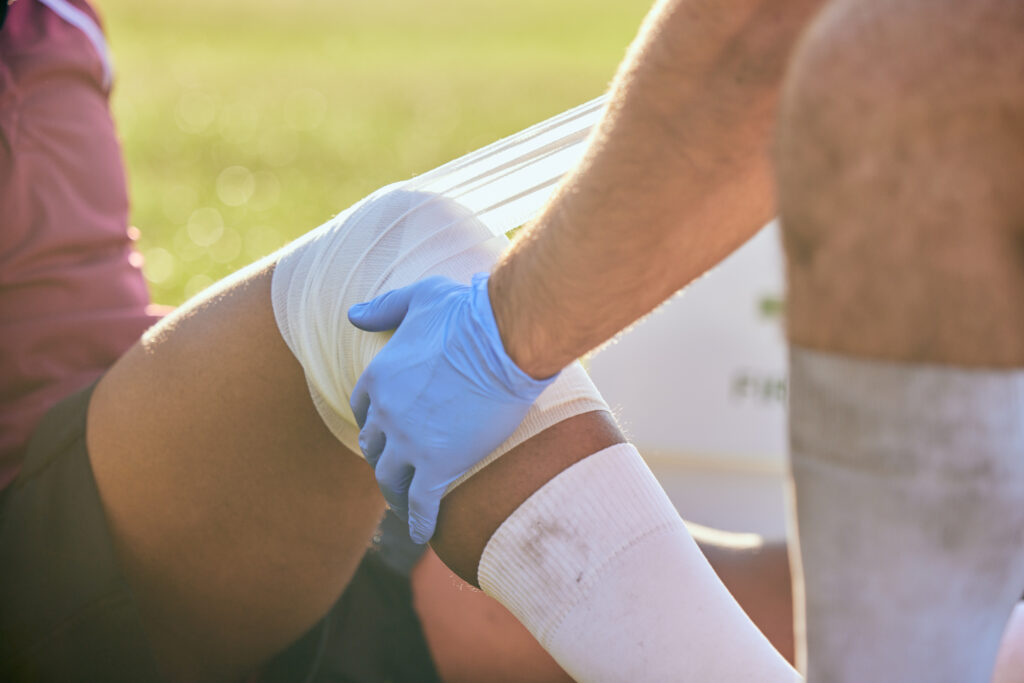
Common Ligament Injuries and How They Are Treated Ligaments are strong bands of connective tissue that connect bones to each other and help stabilize the joints. They play an important role in maintaining balance, supporting movement, and preventing excessive joint motion. However, sudden movements, accidents, sports activities, or repetitive stress can cause ligament injuries, leading to pain, swelling, and limited mobility. Ligament injuries are quite common, especially among athletes and physically active individuals. Understanding the causes, symptoms, and treatment options can help ensure proper recovery and prevent long-term joint problems. What Are Ligament Injuries? A ligament injury occurs when a ligament is stretched, partially torn, or completely torn due to excessive force applied to a joint. These injuries are often referred to as sprains and can vary in severity depending on the extent of the damage. Ligament injuries can affect various joints in the body, including the knee, ankle, wrist, shoulder, and thumb. The severity of the injury may range from mild discomfort to severe instability in the joint. Common Types of Ligament Injuries 1. Ankle Sprain An ankle sprain is one of the most common ligament injuries. It usually occurs when the foot twists or rolls unexpectedly, stretching or tearing the ligaments that support the ankle joint. Symptoms may include: Ankle sprains often occur during sports activities, uneven walking surfaces, or sudden changes in direction. 2. ACL Injury (Anterior Cruciate Ligament) The ACL is one of the key ligaments in the knee that helps stabilize the joint. ACL injuries often occur during sports that involve sudden stops, jumps, or rapid direction changes. Common symptoms include: ACL injuries may require specialized treatment depending on the severity. 3. Wrist Ligament Injuries Wrist ligament injuries typically occur due to falls where a person tries to break the fall with their hands. These injuries can lead to pain, swelling, and difficulty moving the wrist. Without proper treatment, wrist ligament injuries may cause long-term weakness or instability. 4. Shoulder Ligament Injuries Shoulder ligament injuries can occur due to sports activities, heavy lifting, or accidents. These injuries may affect shoulder stability and make it difficult to lift or rotate the arm. Common symptoms include pain, weakness, and limited shoulder movement. Symptoms of Ligament Injuries Although symptoms may vary depending on the affected joint and severity of the injury, common signs include: If these symptoms persist, it is important to seek medical attention to avoid complications. How Ligament Injuries Are Diagnosed Doctors typically begin diagnosis with a physical examination to assess pain, swelling, and joint stability. In some cases, imaging tests may be recommended to evaluate the severity of the injury. Common diagnostic methods include: Accurate diagnosis helps doctors determine the most effective treatment plan. Treatment Options for Ligament Injuries Treatment for ligament injuries depends on the severity of the damage and the joint involved. Many mild to moderate injuries can be treated without surgery. 1. Rest and Protection Resting the affected joint is essential for healing. Avoiding activities that strain the ligament helps prevent further damage. 2. Ice and Compression Applying ice packs and using compression bandages can help reduce swelling and relieve pain. 3. Physiotherapy Physiotherapy plays a crucial role in restoring strength, flexibility, and stability to the injured joint. Rehabilitation exercises help patients regain mobility and prevent future injuries. 4. Medications Doctors may recommend anti-inflammatory medications to reduce pain and swelling. 5. Minimally Invasive Procedures In cases of severe ligament tears or joint instability, minimally invasive surgical procedures may be required to repair or reconstruct the damaged ligament. Recovery and Rehabilitation Recovery time varies depending on the severity of the injury. Mild ligament sprains may heal within a few weeks, while more serious injuries may require several months of rehabilitation. Following the doctor’s advice, completing physiotherapy sessions, and gradually returning to physical activity are essential for successful recovery. Preventing Ligament Injuries While these cannot always be avoided, certain precautions can help reduce the risk: These preventive measures help protect joints and reduce the likelihood of ligament damage. Conclusion These are common but manageable with timely medical care and proper rehabilitation. Whether caused by sports, accidents, or daily activities, early diagnosis and treatment are key to preventing long-term joint instability and chronic pain. With modern treatment methods, physiotherapy, and expert orthopedic care, most individuals can recover fully and return to their normal activities. If you experience persistent joint pain or swelling after an injury, consulting a medical specialist can help ensure the best possible recovery.

Bone and Joint problems
Blog

Common Bone and Joint Problems and Their Modern Treatments

Common Bone and Joint Problems and Their Modern Treatments Bones and joints form the foundation of our body’s movement and strength. They allow us to walk, run, lift, and perform everyday tasks with ease. However, due to aging, injuries, lifestyle habits, or certain medical conditions, many people experience bone and joint problems that affect mobility and quality of life. The good news is that modern medical advancements now offer effective treatments to manage pain, restore function, and help people live active lives. Understanding Bone and Joint Problems Bone and joint conditions can affect people of all ages. While some issues develop gradually over time, others may occur suddenly due to accidents or injuries. Common symptoms include joint stiffness, swelling, limited movement, pain during activity, and discomfort that worsens with age. If left untreated, these conditions can interfere with daily activities and may even lead to long-term complications. Early diagnosis and proper treatment play a crucial role in preventing the problem from becoming more serious. Arthritis – One of the Most Common Joint Disorders Arthritis is one of the leading causes of joint pain worldwide. It occurs when the joints become inflamed, leading to pain, stiffness, and reduced mobility. Two common types include osteoarthritis, which results from wear and tear of the joints, and rheumatoid arthritis, an autoimmune condition that causes inflammation in multiple joints. Modern arthritis treatments focus on reducing inflammation, relieving pain, and improving joint function. These may include medications, physical therapy, lifestyle modifications, and in severe cases, advanced surgical procedures. Joint Pain in Major Body Areas Joint pain can occur in different parts of the body such as the shoulder, elbow, wrist, hip, knee, ankle, and foot. Each joint plays a specific role in movement, and when affected, it can limit daily activities. For example, shoulder pain can make it difficult to lift objects or reach overhead, while knee pain may interfere with walking or climbing stairs. Hip pain can affect balance and posture, and ankle problems may impact stability and mobility. Modern treatment approaches include physiotherapy, joint injections, medication, and minimally invasive procedures designed to reduce pain and restore function. Injuries and Overuse Conditions Sports injuries, falls, or repetitive movements can also cause bone and joint problems. Ligament injuries, tendon inflammation, and fractures are common among active individuals and athletes. Today, orthopedic specialists use advanced diagnostic tools such as digital imaging and minimally invasive techniques to accurately identify the problem and provide targeted treatment. Rehabilitation programs and physiotherapy also play a vital role in helping patients recover safely and regain strength. The Role of Modern Medical Treatments Medical technology has greatly improved the way bone and joint conditions are treated. Modern orthopedic care focuses on personalized treatment plans tailored to each patient’s condition and lifestyle. Some advanced treatment options include: These treatments aim to reduce recovery time, minimize pain, and help patients return to their normal activities as quickly as possible. Importance of Early Diagnosis Many people ignore mild joint pain until it becomes severe. However, early diagnosis can prevent long-term complications and improve treatment outcomes. Consulting an orthopedic specialist at the first sign of persistent pain or stiffness can help identify the root cause and begin effective treatment early. Maintaining Healthy Bones and Joints In addition to medical treatment, lifestyle habits play a significant role in maintaining bone and joint health. Regular exercise, a balanced diet rich in calcium and vitamin D, maintaining a healthy weight, and avoiding excessive strain on joints can help prevent many musculoskeletal problems. Conclusion Bone and joint problems are common, but they do not have to limit your quality of life. With modern medical advancements and expert orthopedic care, many conditions can be effectively managed or treated. Whether the issue is arthritis, joint pain, or injury-related damage, early diagnosis and the right treatment approach can help restore mobility, reduce pain, and support a healthier, more active lifestyle. If you are experiencing persistent bone or joint discomfort, seeking professional medical advice can be the first step toward long-term relief and better joint health.

Spine Hospital Bengaluru
Blog

What Is Sciatica? Causes, Symptoms, and Treatment Options

Sciatica Causes and Treatment Sciatica is one of the most common causes of lower back and leg pain. Many people experience occasional back pain, but sciatica is different because it involves irritation or compression of the sciatic nerve — the longest nerve in the human body. When this nerve becomes inflamed or compressed, it can cause pain that travels from the lower back down through the hips, buttocks, and legs. Understanding the causes, symptoms, and treatment options for sciatica can help you recognize the condition early and seek the right medical care. What Is Sciatica? Sciatica refers to pain caused by irritation or compression of the sciatic nerve, which runs from the lower spine through the hips and buttocks and extends down each leg. This condition usually affects only one side of the body and can range from mild discomfort to severe pain. The pain often begins in the lower back and radiates along the path of the nerve, sometimes reaching the foot. While sciatica can be painful, most cases can be treated effectively with proper medical care and lifestyle changes. Common Causes of Sciatica Several underlying conditions can lead to sciatica by putting pressure on the sciatic nerve. 1. Slipped or Herniated Disc One of the most common causes of sciatica is a slipped disc in the spine. When the soft inner part of a spinal disc pushes out through a crack in the outer layer, it can press on nearby nerves, including the sciatic nerve. 2. Spinal Stenosis Spinal stenosis occurs when the spinal canal becomes narrow, placing pressure on the nerves that travel through the spine. 3. Degenerative Disc Disease As people age, spinal discs naturally wear down. This degeneration can irritate nearby nerves and lead to sciatic pain. 4. Bone Spurs Extra bone growths, known as bone spurs, can develop on the spine and compress the sciatic nerve. 5. Injury or Trauma Accidents, falls, or sports injuries can also damage the spine and trigger sciatica. Symptoms of Sciatica Sciatica symptoms can vary depending on the severity of nerve compression. The most common symptoms include: In severe cases, the pain may become sharp and intense, making everyday activities difficult. Risk Factors for Sciatica Certain factors can increase the likelihood of developing sciatica: Maintaining a healthy lifestyle can significantly reduce the risk of developing sciatic nerve pain. Treatment Options for Sciatica The treatment for sciatica depends on the underlying cause and severity of symptoms. Most patients improve with non-surgical treatments. 1. Medications Doctors may prescribe anti-inflammatory medications, muscle relaxants, or pain relievers to reduce discomfort and inflammation. 2. Physiotherapy Physical therapy exercises help strengthen the muscles supporting the spine, improve flexibility, and reduce pressure on the sciatic nerve. 3. Lifestyle Changes Simple changes such as maintaining proper posture, avoiding prolonged sitting, and practicing regular stretching exercises can help relieve symptoms. 4. Spinal Injections In some cases, doctors may recommend targeted injections such as nerve root blocks or epidural injections to reduce inflammation and pain. 5. Minimally Invasive Spine Procedures If conservative treatments do not provide relief, minimally invasive procedures may be considered to relieve nerve compression and restore normal function. When Should You See a Doctor? While mild sciatica may improve with rest and home care, it is important to consult a spine specialist if you experience: Early diagnosis and treatment can prevent complications and promote faster recovery. Preventing Sciatica Although sciatica cannot always be prevented, adopting healthy habits can help protect your spine and reduce the risk of nerve compression. Helpful preventive measures include: Conclusion Sciatica can cause significant discomfort and interfere with daily activities, but the good news is that most cases can be treated effectively with early diagnosis and proper care. Understanding the causes and symptoms of sciatica helps you recognize the condition early and seek professional treatment when needed. With the right combination of medical care, physiotherapy, and lifestyle adjustments, many individuals can recover fully and return to their normal activities without long-term complications.

Spine treatment
Blog

Early Signs of Spine Problems You Should Not Ignore

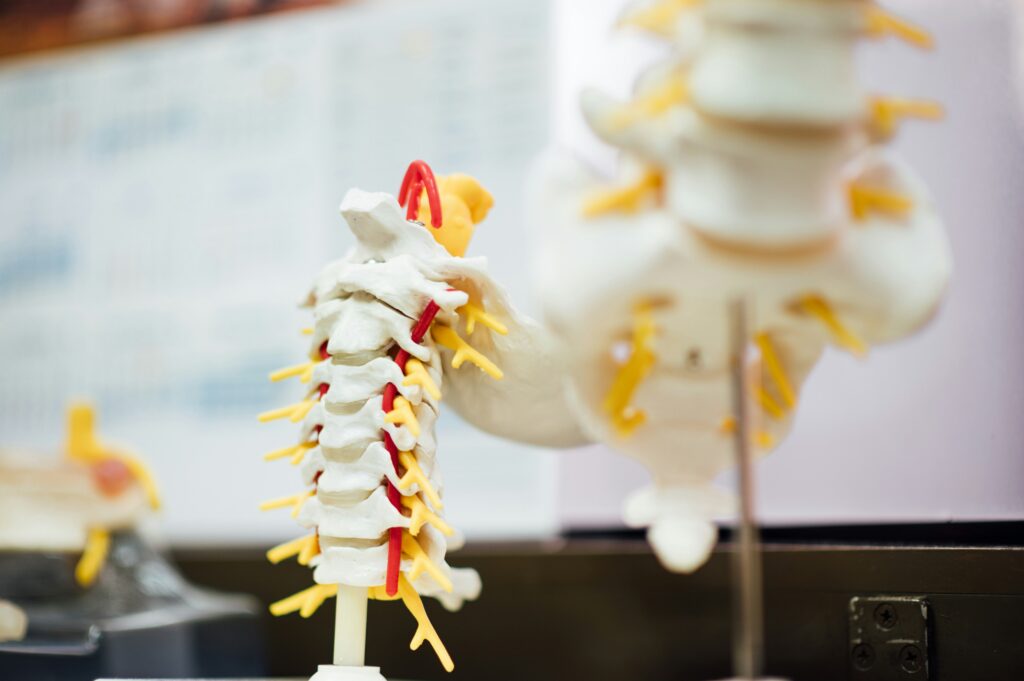
Your spine plays a vital role in supporting your body, protecting your spinal cord, and allowing you to move freely. Yet, many people ignore early warning signs of spine problems until the pain becomes severe or begins affecting daily life. Recognizing symptoms early can prevent long-term complications and reduce the need for complex treatments. At OrthoSpine Care+ in Sadashivanagar, Bangalore, we often see patients who could have avoided serious discomfort if they had sought medical advice sooner. Let’s explore the early signs of spine problems you should never ignore. 1. Persistent Back or Neck Pain Occasional back pain after a long day is common. However, if pain lasts for more than two weeks or keeps returning frequently, it may indicate an underlying spine issue. Persistent pain could be related to: Ignoring ongoing pain may allow the condition to worsen over time. 2. Pain That Radiates to Arms or Legs If back or neck pain travels down your arm or leg, it may be due to nerve compression. Conditions like slipped disc or sciatica often cause radiating pain. You may experience: This is a sign that spinal nerves are irritated and require medical evaluation. 3. Numbness or Tingling Sensation A “pins and needles” feeling in your hands, fingers, legs, or feet could indicate nerve involvement. When spinal discs or bones press on nerves, it can disrupt normal sensation. If numbness persists or worsens, consult a spine specialist immediately. 4. Muscle Weakness Weakness in arms or legs is a serious symptom. If you notice: It may indicate nerve compression or spinal cord involvement. Early treatment can prevent permanent nerve damage. 5. Limited Mobility or Stiffness Stiffness in the neck or lower back, especially in the morning or after prolonged sitting, may signal early degenerative spine conditions such as spondylosis. Reduced flexibility should not be ignored, especially if it gradually worsens. 6. Changes in Posture If you notice your posture changing, such as: It may be a sign of developing spinal deformities like scoliosis or postural imbalance. Early correction can prevent progression. 7. Pain After Minor Injury Sometimes, even a small fall or sudden movement can cause hidden spine injuries. If pain continues after minor trauma, don’t assume it will heal on its own. Proper imaging and diagnosis are important to rule out fractures or disc injuries. 8. Difficulty Standing or Walking for Long Periods If you experience pain, heaviness, or numbness while walking or standing, it may be related to spinal stenosis or nerve compression. These symptoms typically improve with rest but return during activity. Why Early Diagnosis Matters Many spine problems start with mild discomfort and gradually worsen. Early evaluation helps in: Modern treatments, including physiotherapy, posture correction, medications, spinal injections, and minimally invasive procedures, can effectively manage most conditions when detected early. When Should You See a Spine Specialist? You should seek medical attention if: Timely consultation can make a significant difference in recovery. Expert Spine Care in Bangalore At OrthoSpine Care+, Dr Prajwal G S, an experienced orthopaedic and spine surgeon in Sadashivanagar, Bangalore, provides comprehensive diagnosis and advanced treatment for spine disorders. From back pain and sciatica to slipped discs and spinal deformities, early intervention ensures better outcomes and faster recovery. Final Thoughts Your spine is the foundation of your body. Ignoring early warning signs can lead to chronic pain, reduced mobility, and complicated treatments later. If you notice persistent pain, numbness, weakness, or posture changes, don’t delay. Listening to your body today can protect your spine for the future.

Blog

Modern Advances in Fracture Treatment

A bone fracture can be painful, stressful, and life-disrupting. Whether it happens due to a fall, accident, sports injury, or age-related bone weakness, getting the right treatment at the right time makes a huge difference in recovery. The good news is that fracture treatment has improved significantly over the years. Modern medical advancements now allow faster healing, smaller surgical cuts, better alignment, and quicker return to daily activities. At OrthoSpine Care+ in Sadashivanagar, Bangalore, advanced fracture management techniques are used to ensure safe healing, reduced pain, and improved long-term outcomes. Understanding Fracture Treatment A fracture simply means a break in the bone. However, not all fractures are the same. Some are minor cracks, while others are complex breaks that require surgical care. Modern fracture treatment focuses on: Let’s explore how treatment has evolved. 1. Advanced Imaging for Accurate Diagnosis Earlier, fractures were diagnosed primarily with basic X-rays. Today, advanced imaging techniques allow doctors to assess fractures more precisely. Modern diagnostic tools include: These technologies help orthopaedic specialists plan the most appropriate treatment and reduce complications. 2. Minimally Invasive Surgical Techniques One of the biggest breakthroughs in fracture care is minimally invasive surgery. Instead of large incisions, surgeons now use: This results in: Minimally invasive fracture fixation is especially helpful in long bone fractures and joint-related injuries. 3. Modern Implants and Fixation Devices Today’s fracture treatment uses advanced materials and implants that are: Common fixation methods include: These devices hold the bone in correct alignment while it heals naturally. 4. Early Mobilization and Rehabilitation In the past, patients were advised prolonged bed rest after fractures. Now, early movement is encouraged (under supervision), which helps: Modern rehabilitation programs combine physiotherapy, guided exercises, and strength-building techniques to restore full function. 5. Biologic and Regenerative Techniques Medical science is also exploring biologic therapies that enhance bone healing. These include: These methods stimulate the body’s natural healing process and may improve outcomes in delayed or complex fractures. 6. Personalized Treatment Planning Modern fracture care is not “one treatment for all.” Each patient receives a personalized plan based on: For example: 7. Focus on Long-Term Bone Health Fracture treatment today also includes prevention of future fractures. Doctors assess: This is especially important for elderly patients. When Should You See a Specialist? Seek immediate medical attention if you notice: Early diagnosis and treatment reduce complications and ensure better healing. Expert Fracture Care in Bangalore At OrthoSpine Care+, Dr Prajwal G S, an experienced orthopaedic and spine surgeon in Sadashivanagar, Bangalore, provides comprehensive fracture management using modern techniques and personalized rehabilitation plans. From simple fractures to complex trauma cases, the focus is always on: Final Thoughts Modern advances in fracture treatment have transformed recovery outcomes. With minimally invasive surgery, advanced implants, early rehabilitation, and personalized care, patients today can return to their normal lives much faster than before. If you or your loved one has suffered a fracture, don’t delay consultation. The right treatment at the right time makes all the difference.

Blog

How to Strengthen Your Joints Naturally

Healthy joints are essential for pain-free movement, whether it’s walking, playing sports, or simply performing daily activities. But with age, sedentary lifestyles, or injuries, joints can become weak, stiff, or painful. The good news? You don’t always need medications or surgery to protect your joints. With a few natural habits, exercises, and lifestyle adjustments, you can strengthen your joints and maintain mobility for years to come. At OrthoSpine Care+ in Sadashivanagar, Bangalore, we help patients understand joint health and provide guidance on natural ways to support your bones and joints. Why Joint Health Matters Joints are where two bones meet, supported by muscles, ligaments, and cartilage. Strong joints allow smooth movement and absorb shock when we walk, run, or lift objects. Weak joints can lead to: Maintaining joint strength is not just for older adults—it’s essential for everyone, including young adults and athletes. 1. Stay Active Every Day Movement is crucial for joint health. Regular activity strengthens the muscles around your joints, reduces stiffness, and increases flexibility. Some joint-friendly activities include: Tip: Avoid prolonged sitting. Even standing up and stretching every hour can help protect your joints. 2. Strengthen Muscles Around Your Joints Strong muscles act like natural shock absorbers for your joints. Incorporate resistance exercises to protect knees, hips, and shoulders: If you’re unsure about exercises, a physiotherapist can design a personalized routine that strengthens your joints without causing strain. 3. Maintain a Healthy Weight Extra body weight increases stress on weight-bearing joints like the knees, hips, and lower back. Even losing a few kilograms can significantly reduce joint stress and prevent pain. Tip: Pair a balanced diet with light exercise for best results. 4. Eat Joint-Friendly Foods Nutrition plays a major role in joint strength. Include foods rich in: Avoid excessive processed foods, sugar, and refined oils, which may increase inflammation. 5. Stay Hydrated Cartilage in joints relies on water to stay lubricated. Drinking enough water throughout the day helps maintain joint flexibility and reduces stiffness. 6. Protect Your Joints During Activity Even small habits like bending your knees when lifting or pacing your workouts can prevent long-term damage. 7. Natural Supplements (Optional) Some natural supplements can support joint health. Common ones include: Always consult your doctor before starting supplements, especially if you have existing conditions. When to See a Joint Specialist Even with healthy habits, joint pain can occur due to injury, arthritis, or underlying conditions. You should see a specialist if: At OrthoSpine Care+, Dr Prajwal G S, an expert orthopaedic and spine surgeon in Sadashivanagar, Bangalore, provides comprehensive evaluation and treatment for joint problems. Early intervention can prevent chronic issues and help you maintain an active lifestyle. Final Thoughts Strengthening your joints naturally is a combination of exercise, proper nutrition, hydration, and mindful daily habits. By incorporating these tips, you can improve mobility, reduce pain, and enjoy activities you love without discomfort. Remember, it’s never too early or too late to start caring for your joints. Small changes today can make a big difference tomorrow. Take the first step: Schedule a consultation with our specialists at OrthoSpine Care+ to assess your joint health and get a personalized plan for stronger, healthier joints.

Blog

Common Causes of Back Pain and How to Treat Them

Back pain is one of the most common health problems affecting people of all ages. From long hours of sitting to injuries and underlying medical conditions, many factors can contribute to back pain. In many cases, the pain can be mild and temporary, but sometimes it can become chronic and interfere with daily activities. Understanding the common causes of back pain and knowing when to seek treatment can help prevent long-term complications and improve overall spine health. What is Back Pain? Back pain refers to discomfort or pain felt anywhere along the spine, including the lower back, middle back, or upper back. The lower back (lumbar region) is the most commonly affected area because it supports most of the body’s weight and movement. Back pain can range from a dull ache to sharp, severe pain that limits movement. Common Causes of Back Pain 1. Poor Posture Poor posture is one of the leading causes of back pain, especially among people who sit for long hours while working on computers or using mobile phones. Slouching, bending forward, or sitting without proper support can strain the muscles and ligaments around the spine. Prevention Tips 2. Muscle Strain or Injury Sudden movements, lifting heavy objects incorrectly, or intense physical activity can strain the muscles and ligaments in the back. This type of pain often occurs after activities like lifting heavy weights, exercising without proper warm-up, or sudden twisting movements. Treatment Options 3. Slipped Disc (Herniated Disc) A slipped disc occurs when the soft cushion between the spinal bones moves out of its normal position and presses on nearby nerves. This can cause severe back pain and sometimes pain that travels down the leg (sciatica). Common Symptoms Treatment 4. Arthritis Arthritis can affect the joints of the spine and cause stiffness, pain, and reduced flexibility. Osteoarthritis is a common type that develops due to aging and wear and tear of joints. Management Options 5. Sedentary Lifestyle Lack of physical activity weakens the muscles that support the spine. When these muscles become weak, the spine experiences more stress, leading to pain and discomfort. Regular exercise helps strengthen back muscles and maintain spinal stability. Helpful Activities 6. Spinal Conditions Certain medical conditions such as spinal stenosis, scoliosis, or degenerative disc disease can also lead to chronic back pain. These conditions require proper medical diagnosis and treatment from a spine specialist. When Should You See a Doctor? While mild back pain often improves with rest and simple home remedies, medical attention is necessary if: Early diagnosis can prevent complications and ensure effective treatment. Treatment Options for Back Pain Back pain treatment depends on the underlying cause and severity of the condition. Common treatment options include: Non-Surgical Treatments Surgical Treatments For severe cases such as slipped disc or spinal deformities, advanced procedures like minimally invasive spine surgery may be recommended. These procedures help reduce pain, restore mobility, and promote faster recovery. Tips to Prevent Back Pain Maintaining a healthy lifestyle plays an important role in preventing back pain. Small lifestyle changes can significantly improve spine health and reduce the risk of back problems. Get Expert Back Pain Treatment If you are experiencing persistent back pain, it is important to consult an experienced specialist for accurate diagnosis and treatment. At OrthoSpine Care+, Dr Prajwal G S, an experienced orthopaedic and spine surgeon in Sadashivanagar, Bangalore, provides advanced treatment for back pain, spine disorders, fractures, arthritis, and sports injuries. Early treatment can help relieve pain, restore mobility, and improve quality of life.

Scroll to Top
Call Now Button