
Blog

Your blog category

Blog

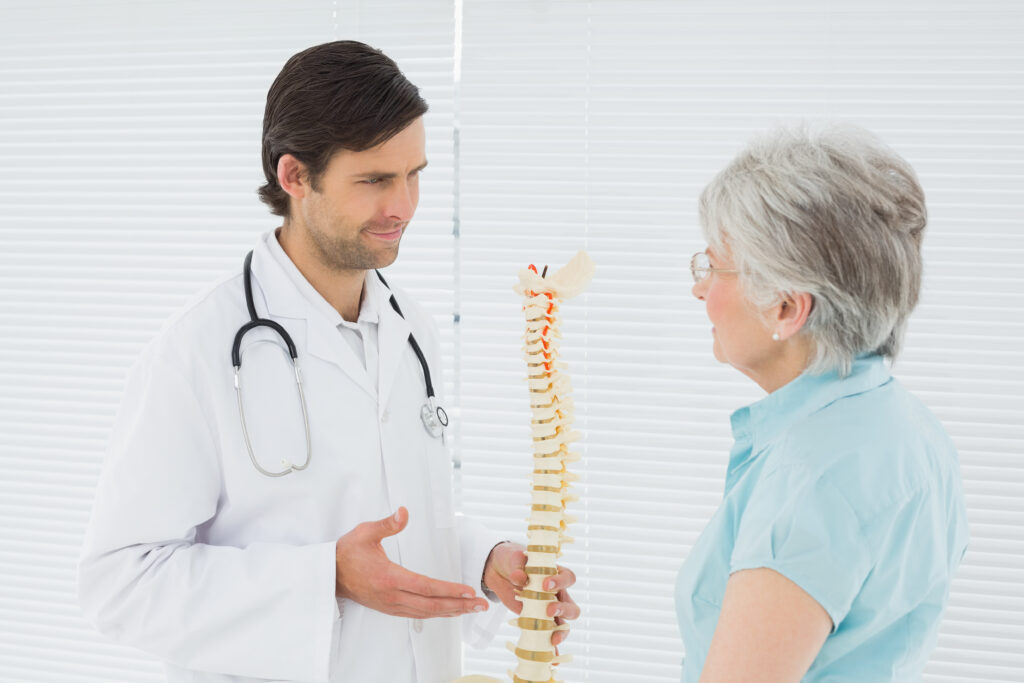
Why Patient Focused Spine Treatment Leads to Better Results

Understanding the Limitations of Generic Spine Treatment Spine problems are rarely the same for two people. Pain levels symptoms daily activity posture age and overall health all influence how a spine condition develops and heals. When treatment follows a fixed or generic approach recovery often becomes slow incomplete or frustrating. Patient focused spine treatment changes this outcome by placing the individual at the center of every decision. At Orthospine Care, spine treatment is designed around the patient not just the condition which leads to better results and lasting recovery. What Patient Focused Spine Treatment Truly Means Patient focused spine treatment is not limited to relieving pain alone. It involves understanding the patient’s lifestyle work routine movement limitations and long term goals. Instead of treating only scan findings treatment plans are created based on how the condition affects daily life. At Orthospine Care, patient focused care ensures that each step from diagnosis to recovery is tailored to support comfort confidence and function. Accurate Diagnosis Improves Treatment Precision Better results begin with clarity. Spine pain can originate from discs nerves joints muscles or alignment issues. Treating the wrong source delays healing and increases discomfort. Patient focused spine treatment emphasizes accurate diagnosis through detailed clinical evaluation and appropriate imaging. At Orthospine Care, identifying the exact cause of pain allows targeted treatment which reduces unnecessary procedures and improves recovery outcomes. Customized Treatment Reduces Physical Stress One of the main advantages of patient focused spine treatment is avoiding excessive intervention. Not every patient requires surgery and not every condition needs aggressive treatment. Personalized care selects the least invasive effective option whether it involves physiotherapy pain management injections or minimally invasive spine surgery. This approach reduces physical stress on the body allowing natural healing to progress smoothly and safely. Better Pain Control Encourages Movement Pain often creates fear of movement which slows recovery. Patient focused spine treatment prioritizes effective pain control so patients can move confidently during healing. At Orthospine Care, pain management strategies are chosen based on individual tolerance and response. When pain is controlled patients are more active which improves circulation muscle strength and overall recovery results. Patient Involvement Improves Recovery Commitment When patients understand their condition and treatment plan they are more engaged in recovery. Patient focused spine treatment emphasizes communication education and shared decision making. At Orthospine Care, patients are guided through their treatment options and recovery expectations. This involvement builds trust and encourages consistency in rehabilitation which directly improves results. Minimally Invasive Options Are Used Thoughtfully When surgery becomes necessary patient focused spine treatment ensures it is chosen carefully. Minimally invasive spine surgery is recommended only when it aligns with the patient’s condition recovery goals and lifestyle needs. At Orthospine Care, this careful selection preserves muscles reduces trauma and supports faster recovery leading to better long term outcomes. Personalized Rehabilitation Strengthens Results Recovery does not end with treatment. Patient focused spine treatment includes rehabilitation plans designed for the individual. Generic exercise programs may overlook specific weaknesses or movement habits. At Orthospine Care, rehabilitation focuses on posture balance flexibility and safe movement patterns tailored to the patient. This individualized rehabilitation reduces recurrence and strengthens recovery results. Emotional Confidence Plays a Key Role Spine recovery is influenced by mental confidence as much as physical healing. Patient focused spine treatment acknowledges emotional concerns such as fear anxiety and uncertainty. When patients feel heard supported and informed confidence improves. At Orthospine Care, this emotional support contributes to smoother recovery and better adherence to treatment plans. Long Term Planning Prevents Recurrence Better results are measured not only by short term relief but by long term stability. Patient focused spine treatment considers future risks and prevention strategies. Lifestyle guidance posture correction and activity modification are included in care planning. At Orthospine Care, this long term focus helps patients maintain spine health and avoid repeated problems. Why Orthospine Care Prioritizes Patient Focused Spine Treatment At Orthospine Care, spine treatment is built around individual needs goals and recovery patterns. By combining accurate diagnosis targeted treatment minimally invasive options and personalized rehabilitation patient focused spine treatment delivers consistent and reliable results. This approach ensures patients recover with confidence comfort and lasting mobility. Conclusion Spine treatment is most effective when it is centered on the patient. Patient focused spine treatment leads to better results by improving diagnosis reducing unnecessary intervention controlling pain and supporting personalized recovery. With expert care at Orthospine Care, patients experience faster healing improved movement and long term spine health. Choosing patient focused spine treatment is a decisive step toward successful recovery and sustained comfort.

Blog

How Advanced Orthopaedic Care Restores Confidence in Movement

Why Loss of Movement Confidence Is a Hidden Orthopaedic Problem When movement becomes painful or unpredictable people slowly lose confidence in their own bodies. Simple actions like walking bending sitting or climbing stairs begin to feel risky. This loss of confidence often develops quietly alongside joint pain spine issues or injuries. Many patients reduce activity not because they cannot move but because they fear pain or further damage. Advanced orthopaedic care focuses not only on treating the physical condition but also on restoring trust in movement itself. Understanding What Advanced Orthopaedic Care Truly Involves Advanced orthopaedic care goes beyond basic pain management or temporary relief. It combines accurate diagnosis modern treatment techniques and personalized rehabilitation. At Orthospine Care, advanced orthopaedic care means identifying the exact cause of movement limitation and addressing it with precision. Whether the issue lies in the spine joints ligaments or muscles treatment is designed to restore function while protecting the body’s natural strength. Accurate Diagnosis Is the First Step to Confidence Confidence in movement cannot return without clarity. Many patients suffer because the root cause of pain is not properly identified. Advanced orthopaedic care relies on detailed clinical evaluation and appropriate imaging to understand the problem fully. At Orthospine Care, accurate diagnosis allows treatment to target the real issue rather than masking symptoms. When patients understand what is wrong and how it will be treated fear begins to reduce. Targeted Treatment Reduces Fear of Pain Pain creates hesitation and hesitation limits movement. Advanced orthopaedic care focuses on targeted treatment that directly addresses pain sources such as nerve compression joint degeneration or instability. By using focused non surgical treatments interventional pain management or minimally invasive procedures pain is reduced without unnecessary trauma. As pain decreases patients begin to move more freely and confidence gradually returns. Minimally Invasive Approaches Support Natural Movement One of the key advantages of advanced orthopaedic care is the use of minimally invasive techniques when surgery is required. These approaches preserve muscles and surrounding tissues which are essential for balance and stability. At Orthospine Care, minimally invasive spine and joint procedures help patients recover faster with less stiffness. When the body feels strong and stable after treatment patients regain trust in their ability to move safely. Restoring Stability Improves Movement Confidence Instability is a major reason patients fear movement. Weak muscles poor alignment or untreated joint damage can make movements feel uncertain. Advanced orthopaedic care focuses on restoring stability through precise treatment and structured rehabilitation. By improving joint alignment muscle strength and spinal support patients experience smoother controlled movement which builds confidence over time. Personalized Rehabilitation Plays a Key Role Rehabilitation is not just about exercises it is about retraining the body to move confidently again. Advanced orthopaedic care includes personalized rehabilitation plans based on the patient’s condition lifestyle and recovery goals. At Orthospine Care, physiotherapy focuses on posture balance coordination and safe movement patterns. This individualized approach helps patients overcome fear and relearn natural movement without hesitation. Psychological Impact of Structured Orthopaedic Care Confidence is both physical and mental. When patients feel supported informed and guided throughout treatment their anxiety reduces. Advanced orthopaedic care emphasizes patient education and clear communication. Understanding the recovery process and knowing what movements are safe helps patients regain mental confidence alongside physical improvement. Long Term Movement Confidence Requires Ongoing Care Restoring confidence is not a one time event. Advanced orthopaedic care includes follow ups preventive guidance and long term planning. Patients are educated on posture ergonomics and activity modification to protect their recovery. At Orthospine Care, this long term approach ensures patients maintain confidence in movement well beyond initial treatment. Why Orthospine Care Focuses on Confidence Driven Recovery At Orthospine Care, the goal of advanced orthopaedic care is not just pain relief but restoring quality of life. By combining accurate diagnosis targeted treatment minimally invasive techniques and personalized rehabilitation the clinic helps patients move without fear. Every stage of care is designed to rebuild strength stability and confidence. Conclusion Confidence in movement is essential for independence and well being. Advanced orthopaedic care restores this confidence by addressing pain instability and fear through precise and personalized treatment. With expert care at Orthospine Care, patients can move freely trust their bodies again and return to an active comfortable life. Restoring confidence in movement is not just a medical outcome it is a life changing result.

Blog

Why Personalized Spine Treatment Improves Recovery Results

Understanding Why One Size Does Not Fit All in Spine Care Spine conditions vary widely from person to person. The cause of pain the severity of symptoms lifestyle habits age and overall health all influence how the spine responds to treatment. When care is generalized recovery can be slow unpredictable or incomplete. This is why personalized spine treatment has become essential in modern orthopaedic care. At Orthospine Care, treatment plans are designed around the individual not just the diagnosis which leads to better recovery results and long term spine health. What Personalized Spine Treatment Really Means Personalized spine treatment goes beyond treating symptoms. It begins with understanding the patient’s medical history daily activity level pain patterns and recovery goals. Instead of applying the same protocol to everyone Orthospine Care evaluates each spine condition in detail. This approach allows treatment to be tailored whether it involves non surgical care interventional pain management or minimally invasive spine surgery. Personalization ensures the right treatment is given at the right time in the right way. Accurate Diagnosis Leads to Better Recovery Recovery depends heavily on accurate diagnosis. Spine pain can originate from discs nerves joints muscles or alignment issues. Treating the wrong source delays healing and increases frustration. Personalized spine treatment focuses on precise diagnosis using clinical evaluation and advanced imaging when required. At Orthospine Care, identifying the true cause of pain allows targeted treatment which directly improves recovery outcomes and reduces unnecessary procedures. Tailored Treatment Reduces Unnecessary Stress on the Body Generalized treatment plans may involve excessive medication prolonged rest or invasive procedures that the patient may not actually need. Personalized spine treatment avoids this by choosing the least aggressive effective option. This reduces physical stress on the body and allows natural healing to occur. Patients recover faster because the body is not overwhelmed by unnecessary interventions. Better Pain Control Improves Healing Pain affects both physical movement and mental well being. When pain is poorly managed patients avoid movement which slows recovery. Personalized spine treatment addresses pain in a controlled and targeted manner. At Orthospine Care, treatment may include focused physiotherapy interventional pain management or minimally invasive techniques depending on the patient’s needs. Effective pain control encourages movement which is essential for healing and recovery. Personalized Care Supports Faster Functional Recovery Recovery is not only about pain relief but about returning to normal function. Personalized spine treatment focuses on restoring mobility strength and confidence in movement. Treatment plans are adjusted based on how the patient responds over time. This flexibility allows faster progress and prevents setbacks. Patients feel supported throughout the recovery journey which improves adherence to treatment and rehabilitation. Minimally Invasive Options Are Chosen When Appropriate Not every spine condition requires surgery. When surgery is needed personalized spine treatment ensures that minimally invasive options are considered first. At Orthospine Care, minimally invasive spine surgery is selected only when it aligns with the patient’s condition and recovery goals. This approach preserves muscles reduces trauma and supports quicker healing leading to better recovery results. Rehabilitation Designed for the Individual Rehabilitation plays a critical role in recovery. Generic exercise programs may not address specific weaknesses or movement patterns. Personalized spine treatment includes rehabilitation plans designed for the individual’s condition and lifestyle. Physiotherapy focuses on posture strength balance and safe movement. This individualized rehabilitation improves outcomes and reduces the risk of recurrence. Emotional Confidence Improves Recovery Results Recovery is influenced by confidence and trust in the treatment process. When patients feel heard understood and involved in decision making they are more committed to recovery. Personalized spine treatment builds this trust. At Orthospine Care, clear communication and patient education help individuals understand their condition and treatment plan. This confidence positively impacts both physical and emotional recovery. Long Term Results Depend on Personalized Planning The goal of spine treatment is not just short term relief but long term stability and comfort. Personalized spine treatment considers future risks lifestyle demands and prevention strategies. By addressing these factors Orthospine Care helps patients achieve sustainable recovery results. Personalized planning reduces the likelihood of repeat injuries chronic pain or further intervention. Why Orthospine Care Focuses on Personalized Spine Treatment Orthospine Care believes that effective spine recovery begins with individualized attention. Every patient receives a treatment plan based on their unique spine condition recovery goals and overall health. By combining accurate diagnosis targeted treatment and ongoing evaluation personalized spine treatment leads to improved recovery results and better quality of life. Conclusion Spine recovery is most successful when treatment is tailored to the individual. Personalized spine treatment improves recovery results by ensuring accurate diagnosis targeted care effective pain control and supportive rehabilitation. With a patient focused approach at Orthospine Care, individuals experience faster healing better mobility and lasting spine health. Choosing personalized spine treatment is a key step toward confident recovery and long term comfort.

Blog

Minimally Invasive Spine Surgery That Encourages Natural Spine Repair

Why Natural Spine Repair Matters More Than Ever The spine plays a critical role in movement balance and overall quality of life. When spinal problems develop due to disc damage nerve compression or degeneration the body naturally tries to protect itself by limiting movement. Traditional spine surgery can correct the issue but often disrupts this natural repair process through extensive muscle and tissue trauma. At Orthospine Care, the focus is on treatments that work with the body. This is why minimally invasive spine surgery is preferred as it supports natural spine repair while addressing the root cause of pain. Understanding the Principle of Minimally Invasive Spine Surgery Minimally invasive spine surgery is based on preserving healthy tissues so the body can heal efficiently. Instead of large incisions surgeons use small precise access points supported by advanced imaging and specialized instruments. At Orthospine Care, this approach allows correction of spine problems while protecting muscles ligaments and surrounding structures. By limiting surgical disturbance minimally invasive spine surgery creates the right environment for natural spine repair to begin immediately. How Muscle Preservation Supports Natural Spine Repair Muscles play a vital role in stabilizing the spine and supporting daily movement. Traditional spine surgery often involves cutting or detaching these muscles which leads to weakness and delayed recovery. Minimally invasive spine surgery preserves muscle integrity by gently separating tissues instead of cutting them. At Orthospine Care, preserving muscle strength helps patients maintain posture balance and stability which directly supports natural spine repair and long term recovery. Reduced Inflammation Allows the Spine to Heal Naturally Inflammation is part of healing but excessive inflammation slows recovery and increases discomfort. Minimally invasive spine surgery reduces surgical trauma which lowers post operative inflammation. Smaller incisions and minimal tissue disruption allow the body to focus on repairing the spine rather than responding to widespread injury. Patients treated at Orthospine Care often experience reduced pain and faster improvement because natural healing processes are allowed to function efficiently. Improved Blood Circulation Enhances Spine Repair Healthy blood flow is essential for tissue repair and nerve recovery. Minimally invasive spine surgery helps preserve surrounding blood vessels and muscles which supports proper circulation around the spine. At Orthospine Care, maintaining blood flow ensures oxygen and nutrients reach the healing area while waste products are removed efficiently. This circulation plays a key role in encouraging natural spine repair and reducing recovery time. Early Controlled Movement Supports Healing Movement is a natural trigger for healing when guided correctly. After minimally invasive spine surgery, patients at Orthospine Care are often encouraged to begin gentle movement earlier compared to traditional surgery. Early mobility improves circulation prevents stiffness and supports joint health. This controlled movement helps the spine repair itself while restoring confidence in daily activities. Natural Pain Reduction Without Excess Medication Chronic pain interrupts the healing cycle by causing muscle tension and restricted movement. Minimally invasive spine surgery addresses the root cause of pain such as nerve compression or disc pressure. By relieving this pressure patients experience gradual natural pain reduction. At Orthospine Care, this approach often reduces dependence on long term pain medication allowing the body to heal without unnecessary interference. Spine Conditions That Benefit From Natural Repair Many spine conditions respond well to minimally invasive spine surgery because it supports the body’s natural repair ability. These include slipped disc spinal stenosis sciatica nerve compression degenerative disc disease and select spinal fractures. At Orthospine Care, patients with these conditions often experience improved mobility and comfort because the spine is allowed to heal rather than being overstressed. Personalized Treatment That Respects Natural Healing Natural healing varies from person to person. At Orthospine Care, every patient undergoes a detailed evaluation before recommending minimally invasive spine surgery. Not every spine problem requires surgery and when surgery is necessary the least invasive option is chosen. This personalized planning ensures treatment supports the body’s healing capacity instead of overwhelming it. Rehabilitation That Strengthens Natural Repair Recovery continues beyond surgery. After minimally invasive spine surgery, Orthospine Care provides guided rehabilitation focused on strengthening muscles improving posture and restoring flexibility. Physiotherapy is structured to work with natural healing rather than forcing rapid recovery. This approach helps the spine repair itself steadily and safely. Long Term Benefits of Encouraging Natural Spine Repair When healing occurs naturally outcomes are more durable. Minimally invasive spine surgery preserves spinal structures which supports better alignment stability and function over time. Patients treated at Orthospine Care often experience reduced stiffness improved flexibility and lower risk of recurring spine issues. Natural repair leads to stronger long term spine health. Why Orthospine Care Focuses on Natural Spine Repair At Orthospine Care, spine treatment is not just about surgical correction but about restoring balance strength and confidence. By specializing in minimally invasive spine surgery, the clinic prioritizes treatments that encourage natural spine repair. Every stage from diagnosis to recovery is designed to support healing in the safest and most effective way. Conclusion Natural spine repair is the foundation of lasting recovery. Minimally invasive spine surgery supports this by reducing trauma preserving muscles and encouraging early movement. With expert care and personalized treatment at Orthospine Care, patients can heal in a balanced controlled and sustainable way. Choosing minimally invasive spine surgery means choosing treatment that respects the body and supports long term spine health.

Blog

How Minimally Invasive Spine Surgery Supports Natural Healing

Why Natural Healing Matters in Spine Treatment The human spine is designed to support movement balance and flexibility. When spine problems occur due to disc damage nerve compression or degeneration the body naturally tries to protect itself through restricted movement and inflammation. Traditional spine surgery often corrects the problem but disrupts the body’s natural healing response through extensive muscle cutting and tissue trauma. This is why minimally invasive spine surgery has become an important advancement. It works with the body instead of against it allowing natural healing to take place in a controlled and supportive way. Understanding the Core Principle of Minimally Invasive Spine Surgery Minimally invasive spine surgery is based on the idea that the less damage caused during treatment the better the body heals afterward. Instead of large incisions surgeons use small precise openings guided by advanced imaging. This approach avoids unnecessary disturbance to muscles ligaments and surrounding tissues. By preserving the spine’s natural support system minimally invasive spine surgery creates the ideal environment for natural healing to begin immediately after treatment. How Preserving Muscles Supports Natural Recovery Muscles play a critical role in spinal stability and movement. Traditional spine surgery often weakens these muscles leading to prolonged stiffness and delayed healing. Minimally invasive spine surgery preserves muscle integrity by gently separating tissues instead of cutting them. When muscles remain strong the body can maintain balance posture and support during recovery. This preservation allows healing to progress naturally without the setbacks caused by muscle trauma. Reduced Inflammation Allows the Body to Heal Faster Inflammation is the body’s response to injury but excessive inflammation slows recovery. Minimally invasive spine surgery reduces surgical trauma which directly lowers post operative inflammation. Smaller incisions and minimal tissue disruption mean the immune system can focus on repairing the spine rather than managing widespread injury. With controlled inflammation pain levels decrease and natural healing processes such as tissue repair and nerve recovery work more efficiently. Improved Blood Flow Enhances Healing Healthy blood circulation is essential for natural healing. Minimally invasive spine surgery helps maintain normal blood flow around the spine by avoiding damage to surrounding muscles and vessels. Good circulation delivers oxygen and nutrients needed for tissue repair while removing waste products from the surgical area. This improved blood flow supports faster healing and reduces the risk of complications during recovery. Early Movement Encourages Natural Healing Movement is a powerful healing tool when guided correctly. After minimally invasive spine surgery patients are often encouraged to begin gentle movement earlier than with traditional surgery. Early movement improves circulation prevents stiffness and supports joint health. When the body moves naturally it reinforces healing signals to muscles nerves and joints. This controlled activity helps patients regain confidence while allowing the spine to heal in a balanced and stable manner. Natural Pain Reduction Without Overdependence on Medication Chronic pain often interrupts the healing cycle by causing muscle tension and limited movement. Minimally invasive spine surgery addresses the root cause of pain such as nerve compression or disc issues. By relieving pressure on nerves pain reduces naturally over time. Patients often rely less on pain medication which further supports natural healing by avoiding side effects that interfere with recovery and overall well being. Conditions That Benefit From Natural Healing Support Many spine conditions respond well to minimally invasive spine surgery because it supports the body’s own healing abilities. These include slipped disc spinal stenosis sciatica nerve compression degenerative disc disease and select spinal fractures. By correcting the underlying issue while preserving healthy structures minimally invasive spine surgery allows the spine to heal itself more effectively and sustainably. Personalized Treatment Aligns With Natural Healing Natural healing is not the same for everyone. At Orthospine Care treatment planning for minimally invasive spine surgery is personalized to each patient’s condition age and lifestyle. Not every spine issue requires surgery and when surgery is needed the least invasive option is chosen. This individualized approach respects the body’s healing capacity and avoids unnecessary intervention that could slow recovery. Rehabilitation That Strengthens Natural Healing Recovery does not stop at surgery. After minimally invasive spine surgery guided rehabilitation supports natural healing by strengthening muscles improving posture and restoring flexibility. Physiotherapy focuses on safe movement patterns that protect the spine while encouraging gradual progress. This rehabilitation approach works in harmony with the body allowing healing to continue without forcing recovery beyond natural limits. Long Term Benefits of Healing Naturally Healing naturally leads to stronger long term outcomes. Minimally invasive spine surgery preserves spinal structures which supports better alignment stability and function over time. Patients experience reduced stiffness improved flexibility and lower risk of recurring pain. When healing occurs naturally the spine remains resilient and adaptable supporting an active lifestyle without constant fear of reinjury. Why Orthospine Care Emphasizes Natural Healing At Orthospine Care the goal of minimally invasive spine surgery is not only correction but restoration. By focusing on treatments that support natural healing the clinic helps patients recover with confidence and comfort. From diagnosis to rehabilitation every step is designed to respect the body’s ability to heal itself when given the right support. Conclusion Natural healing is the foundation of lasting spine health. Minimally invasive spine surgery supports this process by reducing trauma preserving muscles and encouraging early movement. With expert care and personalized treatment at Orthospine Care patients can heal in a way that feels balanced controlled and sustainable. Choosing minimally invasive spine surgery means choosing a path where the body heals naturally and confidently.

Blog

How Minimally Invasive Spine Surgery Helps Patients Regain Daily Comfort

Why Daily Comfort Is Lost With Spine Problems Spine issues slowly affect the simplest parts of daily life. Sitting for long hours walking short distances bending to pick something up or even sleeping comfortably can become difficult. Over time pain stiffness and nerve irritation reduce both physical comfort and emotional well being. Many patients hesitate to seek surgical help because they fear long recovery and discomfort. This is where minimally invasive spine surgery has changed expectations by focusing on restoring daily comfort without overwhelming the body. Understanding Minimally Invasive Spine Surgery Minimally invasive spine surgery is a modern treatment approach that corrects spine conditions using small precise incisions. Instead of cutting through large muscle groups surgeons use advanced imaging and specialized instruments to reach the affected area. This method protects surrounding tissues and maintains the natural support of the spine. Because the procedure is controlled and targeted patients experience less pain and greater comfort during recovery. How Reduced Tissue Damage Improves Comfort One of the main reasons minimally invasive spine surgery helps patients regain daily comfort is reduced tissue damage. Traditional spine surgery often causes muscle soreness and stiffness that lasts for weeks or months. Minimally invasive spine surgery preserves muscles and soft tissues which helps maintain strength and flexibility. With less inflammation and pain patients feel more comfortable performing everyday movements sooner. Pain Relief That Feels Natural and Gradual Chronic spine pain often forces patients to adjust their lifestyle around discomfort. Minimally invasive spine surgery targets the root cause of pain such as nerve compression or disc problems. By relieving pressure on nerves patients experience gradual and sustained pain relief. This natural improvement allows daily activities to feel comfortable again without relying heavily on pain medications. Early Movement Restores Everyday Ease Movement plays a key role in comfort. Minimally invasive spine surgery allows patients to begin gentle movement earlier compared to open procedures. Early walking and controlled activity improve circulation reduce stiffness and support healing. As movement becomes easier patients regain confidence in simple actions like standing sitting and walking which restores a sense of normalcy. Spine Conditions That Affect Daily Comfort Many conditions that disrupt daily comfort can be treated using minimally invasive spine surgery. These include slipped disc spinal stenosis sciatica nerve compression degenerative disc disease and selected spinal fractures. Patients suffering from back pain leg pain numbness or weakness often notice meaningful improvement after treatment. Regaining comfort allows them to return to daily routines without constant discomfort. Precision Treatment Reduces Ongoing Discomfort Precision is essential for comfort focused recovery. Minimally invasive spine surgery uses advanced visualization tools to ensure only the affected area is treated. This avoids unnecessary disturbance to healthy tissues. Accurate treatment leads to fewer complications and less post surgery discomfort. Patients benefit from smoother healing and a more predictable recovery experience. Personalized Care Enhances Recovery Comfort Every spine condition is unique and comfort depends on the right treatment plan. At Orthospine Care patients receive a detailed evaluation before recommending minimally invasive spine surgery. Not all spine issues require surgery and when surgery is needed the least invasive option is chosen. This personalized approach ensures treatment aligns with the patient’s comfort recovery goals and lifestyle needs. Rehabilitation That Supports Daily Comfort Recovery after minimally invasive spine surgery includes guided rehabilitation focused on comfort and stability. Controlled physiotherapy helps strengthen muscles improve posture and reduce stiffness. Patients are taught safe movement patterns that protect the spine while improving flexibility. Ongoing support ensures comfort continues to improve over time rather than decline. Long Term Comfort Through Spine Stability Daily comfort depends on long term spine stability. Minimally invasive spine surgery preserves natural spinal structures which supports better alignment and balance. Reduced muscle damage helps maintain strength as the body heals. Patients often experience lasting comfort improved posture and reduced recurrence of pain making everyday life easier and more enjoyable. Why Orthospine Care Focuses on Comfort Centered Spine Treatment At Orthospine Care restoring comfort is a key goal of minimally invasive spine surgery. The focus goes beyond correcting the spine to improving how patients feel in their daily lives. From accurate diagnosis to personalized recovery plans every step is designed to support comfort confidence and long term well being. Conclusion Daily comfort is essential for a fulfilling life. Minimally invasive spine surgery helps patients regain this comfort by reducing pain preserving muscle strength and supporting faster recovery. With expert care and personalized treatment at Orthospine Care patients can return to normal activities without constant discomfort. Choosing minimally invasive spine surgery is a meaningful step toward comfortable movement and improved quality of life.

Blog

Why Minimally Invasive Spine Surgery Is Changing Patient Recovery Stories

How Spine Recovery Has Evolved Over Time Spine treatment has changed dramatically over the years. Earlier recovery stories were often filled with long hospital stays prolonged bed rest and slow return to normal life. Many patients accepted pain and limitation as part of healing. Today expectations are different. Patients want effective treatment with faster recovery and fewer complications. This shift has made minimally invasive spine surgery a turning point in how recovery stories are written and experienced. Understanding Minimally Invasive Spine Surgery Minimally invasive spine surgery is a modern surgical approach that treats spine conditions using small precise incisions. Surgeons rely on advanced imaging and specialized instruments to reach the affected area without cutting through large muscle groups. This technique allows correction of spine problems while preserving the body’s natural support structures. Because the surgery is targeted and controlled patients experience a smoother and more confident recovery journey. Why Traditional Recovery Stories Were Often Difficult Traditional spine surgery often required extensive muscle cutting and tissue disruption. This led to increased pain stiffness and weakness during recovery. Patients needed longer rehabilitation periods and faced uncertainty about regaining full movement. These experiences shaped recovery stories filled with struggle and fear. Minimally invasive spine surgery has changed this narrative by reducing surgical trauma and allowing the body to heal more naturally. Reduced Trauma Creates Better Recovery Experiences One of the main reasons minimally invasive spine surgery is changing patient recovery stories is reduced physical trauma. Smaller incisions mean less blood loss lower infection risk and minimal muscle damage. When the body is not overwhelmed by surgical stress it can focus on healing the spine itself. Patients often report lower pain levels and improved comfort early in the recovery phase which leads to more positive experiences. Faster Healing Changes Patient Expectations Recovery speed plays a huge role in how patients perceive treatment success. Minimally invasive spine surgery allows earlier movement shorter hospital stays and quicker return to daily activities. Seeing progress within days rather than weeks builds confidence and motivation. Patients feel encouraged when recovery milestones are reached sooner than expected and this transforms their overall recovery story. Precision Improves Outcomes and Confidence Precision is central to minimally invasive spine surgery. Surgeons focus only on the damaged area while protecting nerves joints and healthy tissues. This accuracy reduces complications and improves treatment outcomes. When results are predictable patients feel reassured about their decision. Confidence in the procedure directly influences how patients describe their recovery experience. Conditions That Benefit From Minimally Invasive Spine Surgery Many spine conditions that once required open surgery are now treated using minimally invasive spine surgery. These include slipped disc spinal stenosis sciatica nerve compression degenerative disc disease and selected spinal fractures. Patients suffering from long term pain often experience noticeable relief and improved mobility after treatment. These improvements lead to recovery stories centered on regained independence rather than limitation. Emotional Impact of Improved Recovery Recovery is not only physical but emotional. Minimally invasive spine surgery reduces fear anxiety and uncertainty by offering a controlled healing process. Smaller scars less pain and faster improvement positively affect mental well being. Patients feel hopeful and empowered rather than overwhelmed. This emotional shift plays a major role in changing how recovery stories are shared and remembered. Personalized Care Strengthens Recovery Outcomes Successful recovery depends on individualized treatment planning. At Orthospine Care every patient undergoes detailed evaluation before recommending minimally invasive spine surgery. Not every spine issue requires surgery and when it does the least invasive option is selected. This personalized approach ensures patients feel involved informed and supported throughout recovery which greatly improves their overall experience. Rehabilitation That Supports Lasting Improvement Recovery continues beyond surgery. After minimally invasive spine surgery guided rehabilitation helps strengthen muscles improve posture and maintain spinal stability. Controlled physiotherapy supports safe movement and prevents setbacks. Regular follow ups ensure healing stays on track. Patients feel guided rather than left to recover alone which positively shapes their recovery journey. Long Term Benefits Redefine Recovery Stories The long term impact of minimally invasive spine surgery extends well beyond initial healing. Patients experience improved flexibility better posture and reduced stiffness. Preserving natural spinal structures lowers the risk of future complications. These lasting benefits allow patients to share recovery stories focused on active living confidence and comfort rather than ongoing pain. Why Orthospine Care Focuses on Modern Recovery At Orthospine Care the goal of minimally invasive spine surgery is not just surgical success but meaningful recovery. The focus is on safety precision and patient comfort at every stage. From diagnosis to rehabilitation care is designed to support both physical healing and emotional confidence. This approach ensures recovery stories reflect real improvement and renewed quality of life. Conclusion Recovery stories define how patients remember their treatment journey. Minimally invasive spine surgery is changing these stories by offering safer procedures faster healing and reliable outcomes. With expert care and personalized treatment at Orthospine Care patients can move beyond pain fear and limitation. Choosing minimally invasive spine surgery allows recovery stories to be written with confidence comfort and lasting mobility.

Blog

How Minimally Invasive Spine Surgery Helps Patients Trust Movement Again

When Fear of Movement Becomes Part of Daily Life For many people living with spine pain, the biggest challenge is not just discomfort but fear. Fear of bending, fear of walking, fear that one wrong move will worsen the problem. Over time this fear changes posture habits and reduces activity levels. Traditional spine treatments often add to this concern because of long recovery periods and physical limitations. Today, minimally invasive spine surgery is helping patients rebuild confidence by allowing them to move again without constant worry. Understanding Minimally Invasive Spine Surgery Minimally invasive spine surgery is a modern surgical approach that treats spine conditions through small, precise incisions. Instead of cutting through large muscle groups, surgeons access the spine using specialized instruments and advanced imaging. This method protects surrounding tissues and maintains the natural support system of the spine. Because the body experiences less trauma, patients feel more secure during recovery, which is essential for trusting movement again. How Reduced Muscle Damage Restores Movement Confidence One major reason patients lose trust in movement is muscle weakness after traditional surgery. Minimally invasive spine surgery preserves muscles that support balance and posture. When these muscles remain intact, patients regain strength faster and feel stable while standing, walking, or sitting. This physical stability plays a key role in rebuilding confidence and encouraging natural movement without hesitation. Early Mobility Encourages Positive Healing Early movement is a powerful factor in recovery. With minimally invasive spine surgery, patients are often encouraged to begin gentle movement sooner. Shorter hospital stays and earlier walking help the body adapt quickly. Each successful step reinforces trust in the healing process. This gradual return to movement helps patients overcome fear and feel reassured about their progress. Precision Treatment Reduces Uncertainty Uncertainty is a major barrier to trusting movement. Minimally invasive spine surgery uses precision-based techniques that focus only on the affected area. Advanced visualization tools help surgeons avoid unnecessary disturbance to nerves and healthy tissues. When treatment is accurate, patients experience predictable outcomes. This predictability reduces anxiety and allows patients to move forward with confidence. Spine Conditions That Affect Movement Trust Many spine conditions cause patients to limit movement out of fear. Minimally invasive spine surgery is commonly used to treat slipped disc, spinal stenosis, sciatica, nerve compression, degenerative disc disease, and select spinal fractures. Patients who previously avoided activity due to pain or instability often regain comfort and confidence after treatment. The Psychological Impact of Faster Recovery Recovery is not only physical but also mental. Minimally invasive spine surgery supports faster healing, which has a positive psychological effect. When patients see improvement early, they begin to trust their body again. Reduced pain, minimal scarring, and quicker return to routine activities ease emotional stress and reinforce belief in safe movement. Personalized Care Builds Trust in the Process Trust in movement begins with trust in treatment. At Orthospine Care, every patient undergoes a detailed assessment before recommending minimally invasive spine surgery. Not all spine issues require surgery, and when they do, the least invasive option is chosen. This personalized approach ensures patients feel informed, respected, and confident in their care plan. Rehabilitation That Supports Safe Movement Recovery after minimally invasive spine surgery includes guided rehabilitation designed to strengthen the spine safely. Controlled physiotherapy helps patients relearn movement without fear. Each stage of recovery focuses on stability, flexibility, and balance. With regular follow-ups, patients gain reassurance that healing is progressing correctly, which further builds trust in movement. Long Term Stability Encourages Active Living Trusting movement again means believing in long-term stability. Minimally invasive spine surgery preserves the natural structure of the spine, supporting better alignment and strength over time. Patients experience less stiffness and greater freedom of motion. This stability allows them to return to activities they once avoided, from simple daily tasks to more active lifestyles. Why Orthospine Care Prioritizes Movement Confidence At Orthospine Care, the goal of minimally invasive spine surgery goes beyond pain relief. The focus is on helping patients feel secure in their movement again. By combining precision treatment, early mobility, and personalized recovery plans, the clinic supports both physical healing and emotional confidence. This holistic approach helps patients move forward without fear. Conclusion Losing trust in movement can be life-limiting, but it does not have to be permanent. Minimally invasive spine surgery helps patients rebuild confidence by reducing trauma, speeding recovery, and restoring stability. With expert care at Orthospine Care, patients can overcome fear, trust their body again, and return to an active, comfortable life. Choosing minimally invasive spine surgery is a step toward freedom of movement and renewed confidence.

Blog

How Minimally Invasive Spine Surgery Helps You Heal With Confidence

Why Confidence Matters During Spine Treatment Spine problems do more than cause physical pain. They slowly affect confidence posture and independence. When every movement feels uncertain fear of worsening the condition becomes constant. Traditional spine surgery often adds to this fear due to long recovery periods and physical limitations. Today minimally invasive spine surgery offers a modern approach that not only treats the condition but also restores confidence by allowing patients to heal in a safer and more controlled way. Understanding Minimally Invasive Spine Surgery Minimally invasive spine surgery is an advanced surgical method that treats spine conditions using very small incisions and precise techniques. Instead of cutting through large muscles surgeons access the spine through natural tissue pathways using specialized instruments and imaging guidance. This approach minimizes trauma to the body and allows patients to feel more secure throughout the treatment process. Knowing that the procedure protects healthy tissues helps patients approach surgery with greater confidence. How Reduced Trauma Supports Confident Healing One of the main reasons minimally invasive spine surgery helps patients heal with confidence is reduced physical trauma. Traditional spine surgery can weaken muscles that support the spine leading to stiffness and uncertainty during movement. Minimally invasive spine surgery preserves these muscles allowing the body to maintain strength and balance. When patients experience less pain and better stability after surgery they naturally feel more confident about moving and recovering. Faster Recovery Builds Mental and Physical Assurance Recovery plays a key role in patient confidence. Minimally invasive spine surgery allows patients to stand walk and perform gentle activities much earlier compared to open surgery. Shorter hospital stays and quicker progress reduce anxiety and fear of dependency. As patients see steady improvement in their condition their trust in the healing process grows. This positive momentum supports both physical recovery and mental well being. Precision Based Care Creates Trust in Treatment Precision is central to minimally invasive spine surgery. Advanced imaging and guided tools allow surgeons to treat only the affected area while protecting nerves joints and healthy tissues. This targeted approach reduces the risk of complications and repeat procedures. Patients gain confidence knowing that the treatment is accurate and carefully planned rather than aggressive or excessive. Conditions Treated With Minimally Invasive Spine Surgery Many spine conditions that affect confidence and mobility can be treated using minimally invasive spine surgery. These include slipped disc spinal stenosis sciatica nerve compression degenerative disc disease and certain spinal fractures. Patients who previously avoided surgery due to fear often find reassurance in this modern approach that focuses on safety and control. The Role of Expert Evaluation and Personalization Confidence in healing begins with proper diagnosis and planning. At Orthospine Care each patient undergoes a detailed evaluation to determine the most suitable treatment. Not every spine issue requires surgery and when surgery is needed minimally invasive options are considered first. This personalized approach ensures patients feel heard informed and supported throughout the decision making process. Post Surgery Support That Encourages Confidence Healing does not end after surgery. Minimally invasive spine surgery is followed by guided rehabilitation that helps patients regain strength safely. Controlled physiotherapy improves posture flexibility and muscle support. Regular follow ups reassure patients that healing is on track and concerns are addressed early. This structured support system plays a vital role in building long term confidence. Long Term Stability Strengthens Self Trust Confidence grows when patients feel stable and secure in their movement. Minimally invasive spine surgery preserves natural spinal structures which helps maintain long term stability. Reduced stiffness better alignment and improved flexibility allow patients to trust their body again. This trust encourages a more active lifestyle without constant fear of pain or injury. Why Orthospine Care Focuses on Patient Confidence Orthospine Care believes that successful spine treatment is not just about surgical correction but about restoring confidence and quality of life. By specializing in minimally invasive spine surgery the clinic prioritizes safety precision and patient comfort. From consultation to recovery every step is designed to help patients heal with clarity assurance and peace of mind. Conclusion Healing with confidence is essential for lasting recovery. Minimally invasive spine surgery supports this by reducing trauma speeding recovery and preserving spine stability. With expert care and personalized treatment at Orthospine Care patients can move forward without fear and regain control over their daily life. Choosing minimally invasive spine surgery is not just about fixing the spine but about rebuilding trust in your body and your future.

Blog

Minimally Invasive Spine Surgery for Patients Seeking Safe Modern Treatment

Why Patients Today Look for Safer Spine Treatment Options Spine pain affects how people move work and live each day. Long term back pain nerve compression or stiffness can slowly reduce confidence and independence. Earlier spine treatments often involved extensive surgery long recovery and significant discomfort. Modern patients now seek solutions that correct the problem while protecting the body. This shift has brought minimally invasive spine surgery to the forefront as a safer and more patient friendly treatment option. What Minimally Invasive Spine Surgery Means for Modern Patients Minimally invasive spine surgery is designed to treat spine conditions using small precise incisions instead of large surgical openings. Surgeons use advanced imaging and specialized instruments to reach the affected area without damaging surrounding muscles and tissues. This modern approach focuses on accuracy safety and preservation of the natural spine structure making treatment less stressful for the body. How Safety Is Improved With Minimally Invasive Spine Surgery Safety is one of the strongest reasons patients choose minimally invasive spine surgery. Smaller incisions reduce blood loss lower infection risk and minimize muscle injury. Because less tissue is disturbed the body experiences fewer complications after surgery. Patients often report lower pain levels and smoother recovery compared to traditional spine procedures. This makes minimally invasive spine surgery suitable even for patients who are concerned about surgical risks. Precision Based Treatment for Better Outcomes Precision is central to minimally invasive spine surgery. Advanced visualization tools allow surgeons to focus only on the damaged area of the spine. Nerves joints and healthy tissues are protected throughout the procedure. This targeted approach leads to consistent results and improves long term spine stability. Precision also reduces the likelihood of repeat procedures making treatment more reliable. Spine Conditions Treated With Minimally Invasive Spine Surgery Many common spine problems can be effectively treated using minimally invasive spine surgery. These include slipped disc spinal stenosis sciatica nerve compression degenerative disc disease and selected spinal fractures. Patients who experience persistent back pain leg pain numbness or weakness often notice significant improvement in comfort and mobility after treatment. Faster Recovery Without Compromising Effectiveness One of the most valued benefits of minimally invasive spine surgery is faster recovery. Since muscles are preserved patients can begin gentle movement sooner. Hospital stays are shorter and rehabilitation is easier to manage. Many patients return to daily activities earlier without compromising treatment success. Faster recovery helps reduce emotional stress and improves overall treatment experience. Maintaining Spine Strength and Stability Modern spine treatment is not just about pain relief but also about long term stability. Minimally invasive spine surgery preserves muscles that support the spine which helps maintain natural strength and alignment. This approach reduces stiffness and supports balanced movement after healing. Patients benefit from improved posture flexibility and confidence in daily movement. Personalized Care Makes Modern Treatment Effective Successful minimally invasive spine surgery depends on careful planning and individual assessment. At Orthospine Care each patient is evaluated thoroughly before treatment. Not every condition requires surgery and when surgery is needed the least invasive option is chosen. This personalized approach ensures safety accuracy and long lasting results while respecting each patient’s unique condition. Post Surgery Care and Rehabilitation Recovery after minimally invasive spine surgery begins early with guided movement and physiotherapy. Controlled rehabilitation strengthens the spine while protecting surgical correction. Regular follow ups help monitor healing and prevent future spine issues. Patients feel supported throughout the recovery journey which improves both physical and mental well being. Long Term Advantages of Minimally Invasive Spine Surgery The benefits of minimally invasive spine surgery extend well beyond initial recovery. Patients experience sustained pain relief improved movement and reduced stiffness. Preserving natural spinal structures lowers the risk of future degeneration and complications. This makes minimally invasive spine surgery a long term solution rather than a temporary fix. Why Orthospine Care Focuses on Modern Spine Solutions Orthospine Care is dedicated to delivering advanced spine treatments that align with modern patient expectations. By focusing on minimally invasive spine surgery the clinic prioritizes safety precision and faster recovery. From diagnosis to rehabilitation every step is designed to support strong spine health and improved quality of life. Conclusion Patients today deserve spine treatment that is safe effective and respectful of the body. Minimally invasive spine surgery meets these expectations by combining modern technology with precision based care. With expert treatment at Orthospine Care patients can overcome spine problems recover confidently and return to active pain free living. Choosing minimally invasive spine surgery is a smart step toward safe modern spine care.

Scroll to Top
Call Now Button