
Author name: thewebsitemakers

Chiropractor, back massage and physiotherapy on patient at consultation for spine problem or inflam
Blog

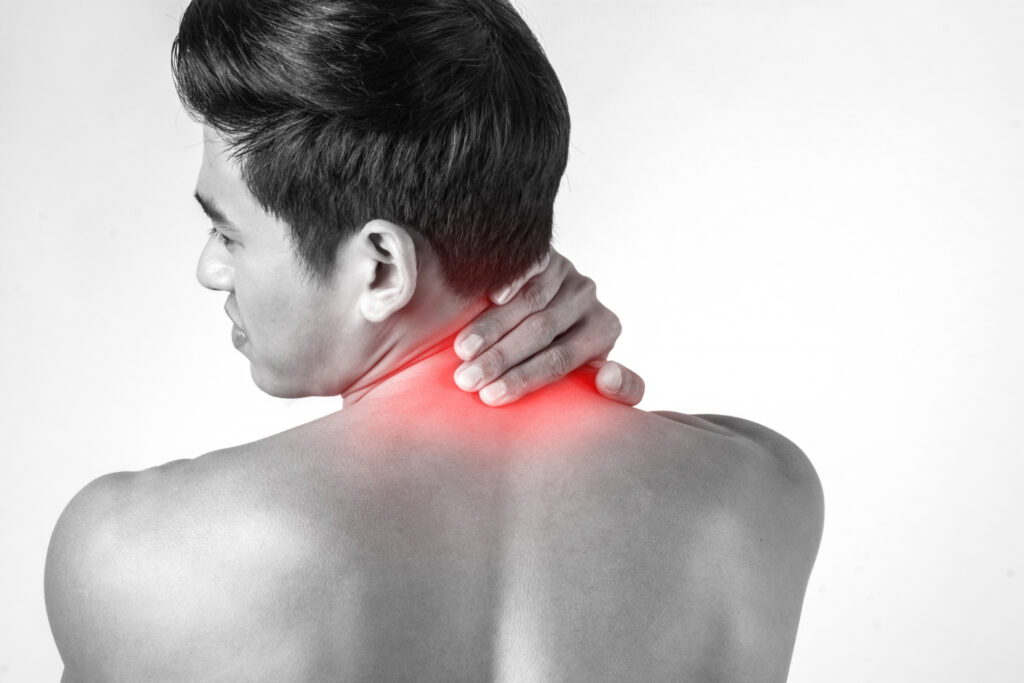
Understanding Back and Neck Pain: Causes, Treatment, and Prevention

Back and neck pain are among the most common musculoskeletal complaints, affecting millions of people worldwide. Whether caused by poor posture, injuries, or degenerative conditions, persistent pain in these areas can significantly impact daily life, reducing mobility, productivity, and overall well-being. Understanding the root causes of back and neck pain, recognizing the symptoms early, and exploring effective treatment options can help prevent long-term complications and ensure a pain-free life. In this blog, we will delve into the most common causes, available treatments, and preventive strategies to maintain a healthy spine. Common Causes of Back and Neck Pain Pain in the back and neck can result from various factors, ranging from lifestyle habits to underlying medical conditions. Here are some of the primary causes: 1. Poor Posture and Sedentary Lifestyle 2. Muscle Strain and Overuse 3. Spinal Injuries and Trauma 4. Degenerative Conditions 5. Nerve-Related Issues Treatment Options for Back and Neck Pain The treatment approach depends on the underlying cause and severity of the pain. Here are some of the most effective treatment options: 1. Physiotherapy & Exercise Therapy 2. Posture Correction and Ergonomic Adjustments 3. Pain Management Techniques 4. Minimally Invasive Treatments 5. Surgical Interventions (If Necessary) Preventive Strategies for Long-Term Spine Health Prevention is key when it comes to back and neck pain. Here are some expert-backed strategies to maintain a healthy spine: 1. Maintain Proper Posture 2. Stay Active and Strengthen Core Muscles 3. Use Ergonomic Equipment 4. Manage Stress and Avoid Overloading the Spine 5. Schedule Regular Check-ups with an Orthopedic Specialist Conclusion Back and neck pain can significantly affect daily life, but with the right preventive measures and treatment strategies, it is possible to maintain a strong and pain-free spine. By focusing on posture correction, regular exercise, ergonomic adjustments, and seeking medical guidance when needed, you can reduce the risk of spinal issues and enjoy an active, healthy life.

Doctor helping a patient with a fractured leg
Blog

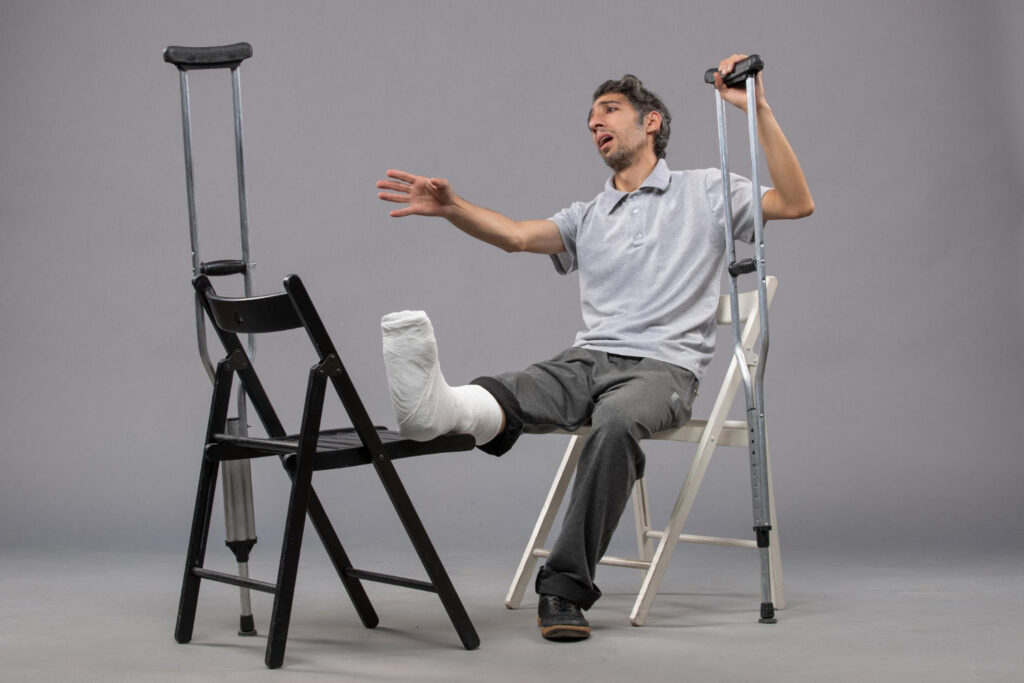
The Importance of Preventive Orthopedic Care: How to Keep Your Bones & Joints Healthy for Life

Orthopedic health is often overlooked until pain, discomfort, or mobility issues arise. However, just like regular check-ups for overall health, preventive orthopedic care is essential to maintain strong bones, flexible joints, and an active lifestyle. By adopting a proactive approach, you can reduce the risk of orthopedic conditions such as arthritis, osteoporosis, and joint degeneration, allowing you to enjoy a pain-free and mobile life. In this blog, we will explore why preventive orthopedic care is crucial, simple lifestyle changes you can incorporate, and expert-recommended strategies to protect your musculoskeletal system for the long run. Why Preventive Orthopedic Care Matters Our bones and joints bear the weight of our entire body and enable movement. Over time, wear and tear, injuries, and poor lifestyle habits can contribute to orthopedic problems. Some common issues include: By focusing on prevention, you can avoid many of these conditions and maintain optimal musculoskeletal health. Essential Tips for Maintaining Bone & Joint Health 1. Regular Exercise & Strength Training Engaging in regular physical activity strengthens bones, improves joint flexibility, and enhances overall mobility. Some of the best exercises for orthopedic health include: 2. Proper Nutrition for Strong Bones Diet plays a crucial role in orthopedic health. Ensure your diet includes: 3. Maintaining a Healthy Weight Excess body weight puts additional stress on joints, particularly the knees, hips, and spine. Maintaining a healthy weight can reduce the risk of osteoarthritis and other joint issues. 4. Ergonomics & Posture Correction Poor posture and improper ergonomics while sitting, standing, or working can contribute to orthopedic issues. To prevent this: 5. Preventing Injuries & Practicing Safe Movement Orthopedic injuries, such as fractures and ligament tears, can be prevented by taking simple precautions: 6. Regular Health Check-ups & Bone Density Tests Early detection of orthopedic problems can prevent complications. Consider: Conclusion Preventive orthopedic care is essential for maintaining mobility, strength, and overall well-being. By incorporating simple lifestyle changes like regular exercise, a balanced diet, proper posture, and ergonomic adjustments, you can significantly reduce your risk of orthopedic issues. Regular check-ups and early intervention are key to ensuring a pain-free and active life. Prioritize your orthopedic health today to enjoy a stronger, healthier tomorrow!

Scroll to Top
Call Now Button