
Understanding Tendonitis and Common Musculoskeletal Conditions
Pain in muscles, joints, or tendons can make even simple daily activities difficult. Many people experience discomfort due to overuse, poor posture, or injuries, but often ignore the early signs. Two common causes of such pain are tendonitis and other musculoskeletal conditions. Understanding these issues can help you seek timely treatment and prevent long-term complications.
What Is Tendonitis
Tendonitis is the inflammation or irritation of a tendon, which is the thick tissue that connects muscles to bones. Tendons play a crucial role in movement, and when they become inflamed, it can lead to pain and restricted motion.
Tendonitis usually develops due to repetitive movements or overuse of a particular joint. It commonly affects areas like the shoulder, elbow, wrist, knee, and ankle.
Common Causes of Tendonitis
Tendonitis can occur for several reasons, often related to daily activities or physical strain. Repetitive motion is one of the main causes, especially in jobs or sports that require repeated use of certain joints.
Other contributing factors include:
- Sudden increase in physical activity
- Poor posture or incorrect technique during exercise
- Aging, which weakens tendons over time
- Lack of proper warm-up before activity
- Previous injuries
Understanding these causes can help in preventing the condition.
Symptoms of Tendonitis
The symptoms of tendonitis usually develop gradually and may worsen over time if not treated.
Common signs include:
- Pain around the affected joint
- Tenderness when touching the area
- Swelling or mild inflammation
- Stiffness, especially after rest
- Difficulty moving the joint
Early recognition of these symptoms can help in faster recovery.
What Are Musculoskeletal Conditions
Musculoskeletal conditions refer to problems affecting bones, muscles, joints, ligaments, and tendons. These conditions can range from mild discomfort to severe pain that limits mobility.
They may develop due to injury, overuse, aging, or underlying medical conditions. Musculoskeletal disorders are one of the leading causes of physical disability worldwide.
Common Musculoskeletal Conditions
Several musculoskeletal conditions can affect individuals of all ages.
Muscle Strain
This occurs when muscles are stretched or torn due to overuse or sudden movements.
Ligament Injuries
Ligaments connect bones to each other. Injuries such as sprains can cause pain and instability in joints.
Joint Disorders
Conditions like arthritis cause joint pain, stiffness, and inflammation.
Back and Neck Pain
Poor posture, prolonged sitting, or spinal issues can lead to chronic discomfort.
Tendon Injuries
Apart from tendonitis, tendons may also develop tears or degeneration over time.
Risk Factors
Certain factors increase the likelihood of developing tendonitis and musculoskeletal disorders:
- Sedentary lifestyle
- Repetitive physical activity
- Poor ergonomics at the workplace
- Obesity
- Aging
- Lack of physical fitness
Managing these risk factors can help reduce the chances of developing these conditions.
Diagnosis and Evaluation
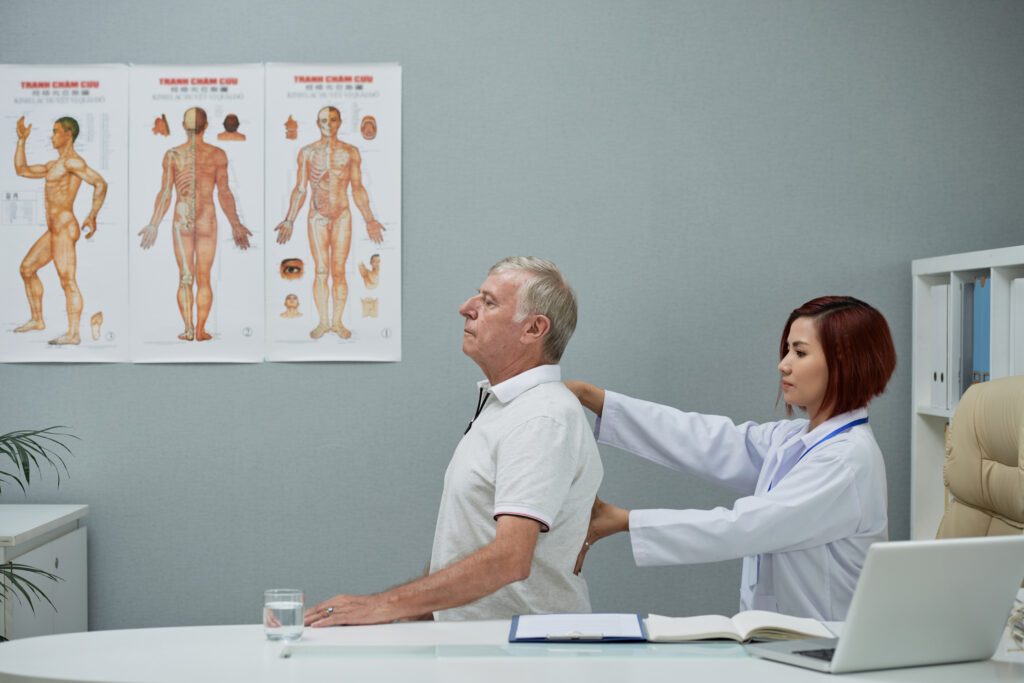
Doctors diagnose tendonitis and musculoskeletal conditions through physical examination and medical history. They assess the affected area for pain, swelling, and movement limitations.
In some cases, imaging tests such as X-rays or MRI scans may be recommended to understand the severity of the condition.
Treatment Options
Treatment focuses on relieving pain, reducing inflammation, and restoring normal movement.
Rest and Activity Modification
Avoiding activities that cause strain helps the affected area heal.
Physiotherapy
Physical therapy is one of the most effective treatments. It includes exercises to strengthen muscles, improve flexibility, and support joint function.
Medications
Doctors may prescribe medications to reduce pain and inflammation.
Injection Therapy
In certain cases, injections may be used to provide targeted relief and promote healing.
Advanced Treatments
For severe or chronic conditions, advanced procedures or surgical options may be considered.
Preventing Tendonitis and Musculoskeletal Disorders
Prevention plays a key role in maintaining long-term musculoskeletal health. Simple steps can make a big difference:
- Maintain proper posture while sitting and standing
- Take regular breaks during repetitive work
- Warm up before physical activity
- Use correct techniques during exercise
- Stay physically active and maintain a healthy weight
These habits help protect muscles, joints, and tendons from strain.
When to See a Doctor
It is important to consult a specialist if:
- Pain persists for more than a few weeks
- Swelling or stiffness worsens
- Movement becomes restricted
- Daily activities are affected
Early medical care ensures proper treatment and faster recovery.
Conclusion
Tendonitis and musculoskeletal conditions are common but manageable with the right care and attention. Ignoring early symptoms can lead to chronic pain and reduced mobility.
By understanding the causes, recognizing symptoms, and adopting preventive measures, you can protect your musculoskeletal health. If you experience persistent pain or discomfort, consulting an orthopedic specialist can help you receive the right diagnosis and treatment for a healthier, more active life.