
Osteoporosis Treatment: Strengthening Bones for a Healthier Life
Bones are the foundation of our body, providing structure, support, and protection. As we age, maintaining bone strength becomes increasingly important. One common condition that affects bone health is osteoporosis, a disorder that weakens bones and makes them more prone to fractures.
The good news is that with early detection and the right treatment approach, osteoporosis can be effectively managed, helping individuals maintain an active and healthy lifestyle.
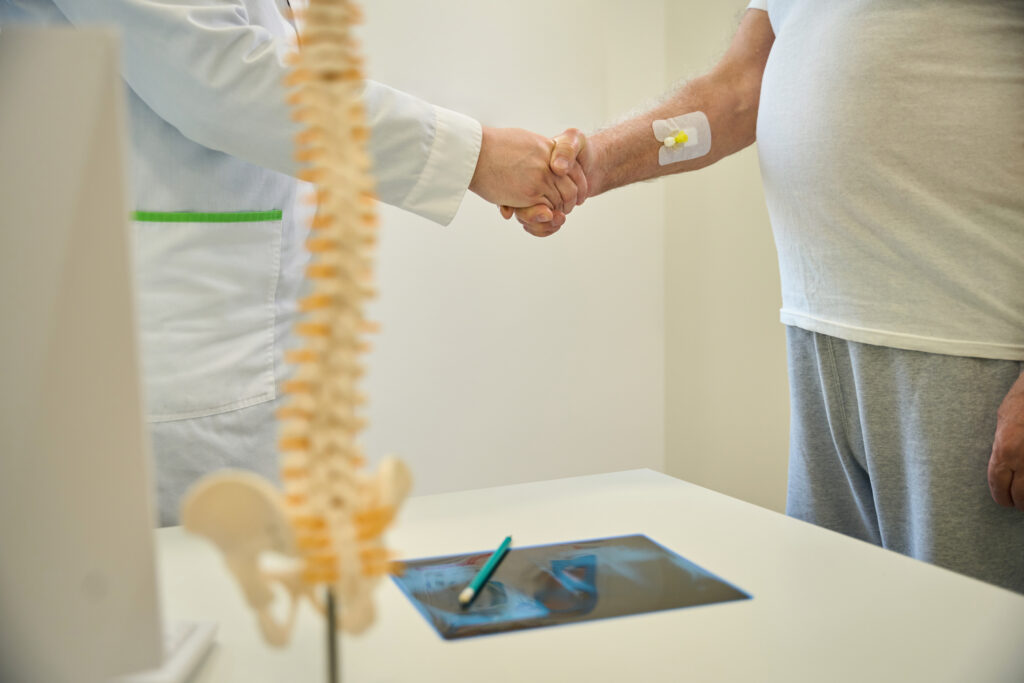
What Is Osteoporosis
Osteoporosis is a condition in which bones lose density and become fragile. This happens when the body loses too much bone mass or does not produce enough new bone to maintain strength.
As a result, even minor falls or everyday activities can lead to fractures, especially in areas like the hip, spine, and wrist.
Causes of Osteoporosis
Several factors contribute to the development of osteoporosis. Aging is one of the main causes, as bone density naturally decreases over time. Hormonal changes, especially in women after menopause, also play a significant role.
Other contributing factors include poor nutrition, lack of physical activity, certain medical conditions, and long-term use of specific medications. Lifestyle habits such as smoking and excessive alcohol consumption can further weaken bones.
Symptoms and Warning Signs
Osteoporosis is often called a “silent disease” because it may not show symptoms in the early stages. Many people are unaware of the condition until a fracture occurs.
However, some warning signs may include:
- Back pain caused by weakened or fractured vertebrae
- Loss of height over time
- Stooped posture
- Bones that break more easily than expected
Recognizing these signs early can help in timely diagnosis and treatment.
Importance of Early Diagnosis
Early detection is crucial in managing osteoporosis effectively. Bone density tests are commonly used to assess bone strength and identify the risk of fractures.
Regular screening is especially important for older adults and individuals with risk factors. Early diagnosis allows doctors to begin treatment before significant bone loss occurs.
Treatment Options for Osteoporosis
Osteoporosis treatment focuses on strengthening bones, reducing fracture risk, and improving overall bone health.
Medications
Doctors may prescribe medications that help slow bone loss or increase bone formation. These medications play a key role in managing osteoporosis and preventing complications.
Calcium and Vitamin D Intake
Proper nutrition is essential for bone health. Calcium helps build and maintain strong bones, while vitamin D improves calcium absorption. A balanced diet or supplements may be recommended based on individual needs.
Exercise and Physical Activity
Regular exercise is one of the most effective ways to strengthen bones. Weight-bearing exercises, strength training, and balance exercises help improve bone density and reduce the risk of falls.
Lifestyle Modifications
Healthy lifestyle choices can significantly impact bone health. Avoiding smoking, limiting alcohol intake, and maintaining a healthy weight are important steps in managing osteoporosis.
Fall Prevention Strategies
Since fractures are a major concern, preventing falls is an important part of treatment. Making the home environment safe, improving balance, and using assistive devices when needed can reduce the risk of injury.
Living with Osteoporosis
Managing osteoporosis requires ongoing care and attention. Regular check-ups, adherence to treatment plans, and maintaining a healthy lifestyle are essential for long-term bone health.
With proper management, individuals can continue to stay active and maintain independence.
Preventing Osteoporosis
Prevention is always better than treatment. Building strong bones from a young age through proper nutrition and physical activity can reduce the risk of osteoporosis later in life.
Even for adults, adopting healthy habits can help slow down bone loss and maintain strength.
When to Consult a Specialist
It is important to seek medical advice if you experience symptoms or have risk factors for osteoporosis. Early consultation helps in proper diagnosis and effective management.
An orthopedic specialist can guide you through screening, treatment options, and preventive measures tailored to your condition.
Conclusion
Osteoporosis may weaken bones, but it does not have to limit your life. With modern treatment options, proper nutrition, regular exercise, and early diagnosis, it is possible to strengthen bones and reduce the risk of fractures.
Taking proactive steps toward bone health can help you live a stronger, healthier, and more active life. If you are concerned about your bone health, consulting a specialist is the first step toward effective prevention and treatment.