
Common Congenital Orthopedic Deformities and How They Are Treated
Congenital orthopedic deformities are musculoskeletal conditions that are present at birth and affect the normal shape, alignment, or movement of bones, joints, or limbs. These conditions may vary from mild abnormalities to more complex deformities that require specialized treatment. Early diagnosis and proper orthopedic care are essential to ensure healthy growth, normal movement, and better long-term outcomes for children.
With advances in pediatric orthopedics, many congenital deformities can now be effectively treated, allowing children to lead active and healthy lives.
What Are Congenital Orthopedic Deformities?
Congenital orthopedic deformities develop during pregnancy when bones, joints, or muscles do not form normally. These conditions are not caused by anything parents do during pregnancy and often occur naturally due to developmental factors, genetics, or limited space in the womb.
Some deformities are visible immediately after birth, while others become more noticeable as the child grows.
Common Types of Congenital Orthopedic Deformities
Several congenital orthopedic deformities commonly affect infants and children.
Clubfoot
Clubfoot is one of the most common congenital deformities. In this condition, the baby’s foot is twisted inward or downward instead of pointing straight.
Without treatment, clubfoot can make walking difficult. Fortunately, early intervention usually produces excellent results.
Bow Legs
Bow legs occur when a child’s legs curve outward at the knees, creating a bowed appearance. Mild bowing is common in toddlers and often corrects naturally, but severe or persistent bowing may require medical attention.
Knock Knees
Knock knees occur when the knees touch each other while the ankles remain apart. This condition may improve naturally during growth, but persistent cases may need evaluation.
Developmental Dysplasia of the Hip (DDH)
This condition happens when the hip joint does not fit properly into the hip socket. If untreated, it can affect walking and long-term joint stability.
Limb Length Differences
Some children are born with one leg or arm shorter than the other. Depending on severity, this may require monitoring or corrective treatment.
Causes of Congenital Deformities
The exact cause is not always known, but several factors may contribute:
- Genetic influences
- Family history of similar conditions
- Abnormal fetal positioning during pregnancy
- Restricted space in the womb
- Developmental abnormalities during bone formation
In many cases, no clear cause is identified.
Signs Parents Should Watch For
Early recognition is important. Parents should seek evaluation if they notice:
- Feet turned inward or unusually shaped
- Curved legs that worsen over time
- Uneven leg lengths
- Delayed crawling or walking
- Difficulty standing or balancing
Early orthopedic consultation improves treatment success.
How Are These Conditions Diagnosed?
Doctors diagnose congenital deformities through physical examination and imaging studies when needed.
Diagnosis may include:
- Newborn physical screening
- Growth monitoring during checkups
- X-rays or ultrasound imaging
- Orthopedic assessment of movement and alignment
Accurate diagnosis helps determine the most suitable treatment plan.
Treatment Options for Congenital Orthopedic Deformities
Treatment depends on the type, severity, and age of the child.
Casting and Bracing
Many deformities such as clubfoot can be corrected with special casting methods followed by braces to maintain correction.
Physiotherapy
Physical therapy helps strengthen muscles, improve flexibility, and support healthy joint movement.
Orthopedic Devices
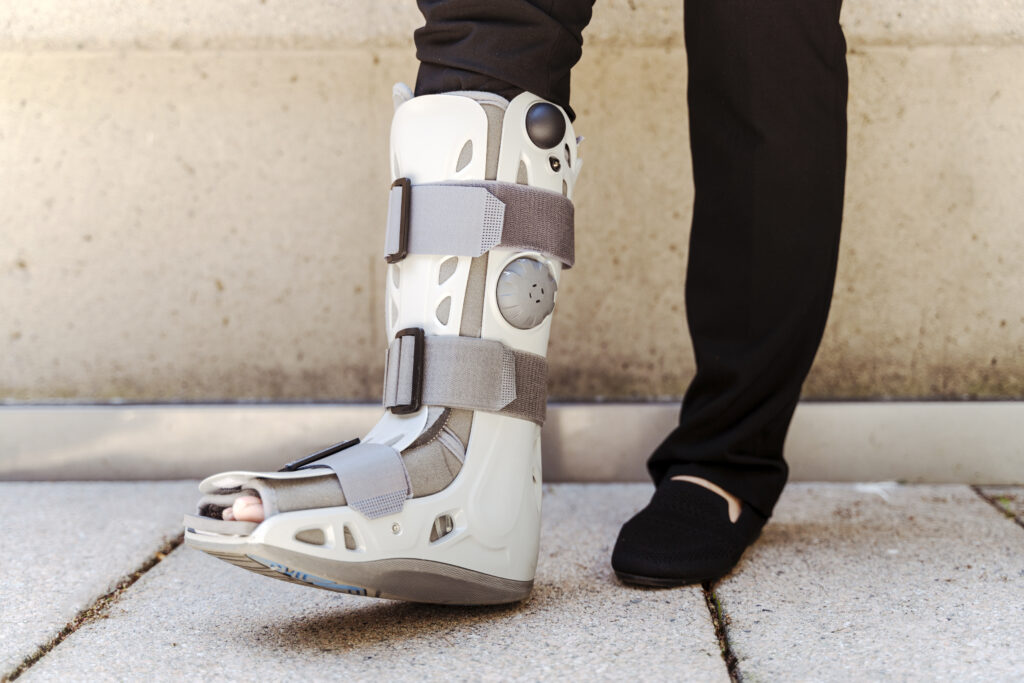
Custom braces, special shoes, or supportive devices may be used to improve alignment and walking.
Observation and Monitoring
Some mild deformities improve naturally as children grow and only require regular follow-up.
Surgical Correction
In severe or complex cases, surgery may be necessary to correct bone position, joint alignment, or limb differences.
Importance of Early Treatment
Early treatment offers major benefits because children’s bones are still developing and easier to correct.
Timely care helps:
- Improve walking ability
- Prevent long-term deformities
- Support normal bone growth
- Reduce future complications
Delayed treatment may make correction more difficult later.
Life After Treatment
Most children respond very well to treatment and go on to live normal, active lives. Regular follow-up visits ensure progress is monitored as the child grows.
Parents play an important role by following medical advice, attending scheduled appointments, and supporting rehabilitation when needed.
Conclusion
Congenital orthopedic deformities can seem alarming for parents, but many of these conditions are highly treatable with early diagnosis and specialized pediatric orthopedic care. Whether it is clubfoot, bow legs, hip dysplasia, or other deformities, modern treatments offer excellent outcomes and help children grow with healthy movement and confidence.
If you notice any unusual bone or joint development in your child, consulting a pediatric orthopedic specialist early can make all the difference in ensuring a strong and healthy future.