
Emergency Trauma Care: What to Do in Critical Situations
Accidents and injuries are unpredictable and may happen anywhere: on the road, at home, while playing sports, or at work. In such cases, the right action at the right time may prove to be a matter of saving a life. Emergency trauma care is the immediate medical care provided to an individual facing a serious injury.
It is vital to know what to do when you are facing a serious situation. It may prove to be beneficial for the injured person.
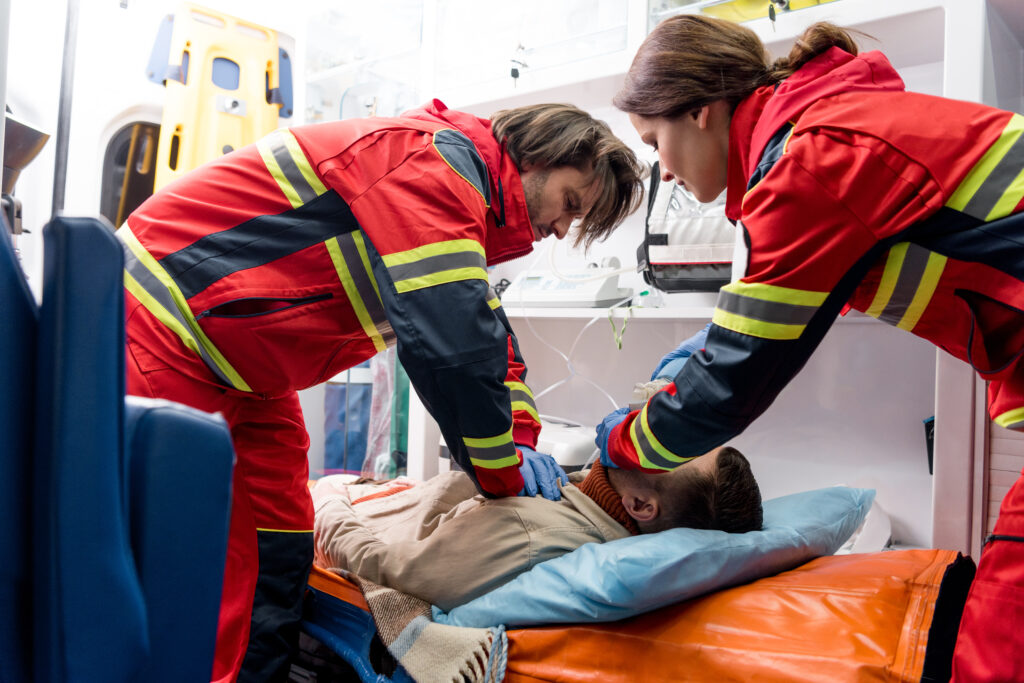
What Is Emergency Trauma Care?
Emergency trauma care is the immediate medical care provided to an individual facing a serious injury. It may include injuries like fractures, head injuries, spinal cord injuries, or excessive bleeding. The main objective of emergency trauma care is:
- Stabilize the injured person
- Prevent the injury from getting worse
- Provide relief from pain
- Prepare the injured person for further medical treatment
It is vital to provide immediate medical care to the injured person because the first hour of injury is the “golden hour,” when immediate medical care is vital.
Common Trauma Situations
- Emergency trauma care is needed for situations such as:
- Road traffic accidents
- Falls from height
- Sports injuries
- Accidents occurring at workplaces
- Severe fractures and dislocations
- Head and spinal cord injuries
- It is essential to recognize the gravity of the injury, and that is the first step to take.
Immediate Steps to Take in a Trauma Emergency
- Stay Calm and Assess the Situation
The first and foremost step is to stay calm. The next step is to assess the situation and determine whether the patient is conscious, breathing, and responding.
- Call for Medical Help
The next step is to call for medical help. The caller should inform the emergency services of the location, injury, and patient’s condition.
- Control Bleeding
- If there is visible blood, take the following steps to control it:
- Gently apply pressure on the injury using a clean cloth or bandage
- If possible, elevate the affected part of the body
- Avoid removing any object stuck in the injury
- Immobilize the Injured Area
If you suspect a fracture or spinal injury:
Do not move the victim unnecessarily
Use a splint or a stiff object to immobilize the injured area
If you suspect a spinal injury, keep the victim’s head and neck stable
Immobilization of the injured area is very important. It prevents further injury to the bone and nerves.
- Keep the Patient Comfortable
Keep the victim comfortable:
- Make the victim comfortable by placing them on the ground
- Keep the victim warm by giving them a blanket
- Do not panic. Reassure the victim
Keeping the victim comfortable is very important. It helps prevent shock.
- Do Not Give Food or Drink
Do not give the victim food or drinks. Especially when the victim might have to undergo surgery. This is very important.
Signs of Serious Trauma
There are signs of serious trauma. If you notice the following signs, you should seek immediate medical attention:
- Severe pain
- Swelling
- Heavy bleeding
- Loss of consciousness
- Trouble breathing
- Numbness or inability to move limbs
- Deformity of the bone or joint
Role of Orthopedic Trauma Care
Most of the injuries from trauma are orthopedic injuries. Orthopedic trauma care is the medical care of the following:
- Fractures
- Dislocations
- Ligament injuries
- Tendon injuries
- Spinal injuries
- Damage to joints
Modern orthopedic care employs the latest technology and minimally invasive techniques along with rehabilitation programs for proper healing and recovery.
Importance of Early Medical Intervention
If proper care is not taken after a trauma injury, various complications may arise, including:
- Improper Bone Healing
- Damage to Nerves
- Chronic Pain
- Lack of Mobility
Early medical care ensures proper diagnosis and treatment for a speedy recovery.
Recovery and Rehabilitation
After receiving proper trauma care, the next step for recovery involves proper treatment and rehabilitation. This may include:
- Physiotherapy for proper movement
- Pain Management
- Returning to Normal Life
- Follow-up Treatment
Rehabilitation is an important aspect for regaining proper strength and preventing complications.
Preventing Trauma Injuries
Although not all injuries can be avoided, various precautions may help prevent trauma injuries, including:
- Wearing Proper Gear while Playing Sports
- Following Road Safety Rules
- Ensuring Safe Working Environments
- Being Careful while Walking on Slippery/Sloppy Roads
- Lifting Weights Properly
Taking proper precautions may help minimize the risk of suffering trauma injuries.
Conclusion
Emergency trauma care is crucial in saving lives and preventing complications during critical situations. Knowing how to respond quickly and effectively can make a significant difference before professional medical help arrives.
By staying calm, taking the right first aid steps, and seeking immediate medical attention, you can help ensure better outcomes for those affected by trauma. In case of any serious injury, always consult a qualified medical professional for proper diagnosis and treatment.