
Types of Immobilization: Casts, Splints, and Walker Boots Explained
When it comes to the treatment of fractures, sprains, and other bone-related injuries, the recovery of an injured individual depends on several factors, with the most important of them being the process of immobilization. In simple words, the injured area is kept stable, allowing the injured individual to recover properly.
Today, several options are available with the help of modern orthopedic care, with the most commonly used options being casts, splints, and walker boots.
Why Is Immobilization Important?
When an individual is injured, the injured area, whether it is the bone, ligaments, or tissues, needs time to recover properly. However, if the injured individual starts moving around, the recovery process is likely to get hampered.
Therefore, the process of immobilization is important as it:
- Helps in keeping the injured area stable
- Helps in reducing the pain
- Prevents the injury from getting worse
- Helps in the proper alignment of the injured area
Therefore, the right type of support is necessary.
Plaster Casts: Strong and Stable Support
Plaster casts are the most commonly used method of treating fractures.
When Are Casts Used?
Plaster casts are generally used in the following situations:
- When the individual has a broken bone, i.e., a fracture
- When the individual has a severe sprain
Benefits of Plaster Casts
Provide strong and complete immobilization
Keep the bones in proper alignment
Protect the injured area from external impact
Things to Keep in Mind
Once the plaster casts are put on, patients cannot take them off until the doctor decides to remove them. It is important to take care of the plaster casts by ensuring they are kept dry and no undue pressure is put on them.
Splints: Flexible and Adjustable Support
Splints are another type of immobilization devices used to treat injuries. These are usually used as a preliminary treatment for injuries. Unlike casts, splints do not completely encircle the injured area of the body.
When Are Splints Used?
Splints are usually recommended for:
- Initial treatment of fractures
- Soft tissue injuries such as sprains
- Swelling conditions where full casting may not be appropriate
Benefits of Splints
- Provide space for swelling to occur
- Splints can be adjusted and removed easily
- Splints offer adequate support with flexibility
Walker Boots: Comfort with Mobility
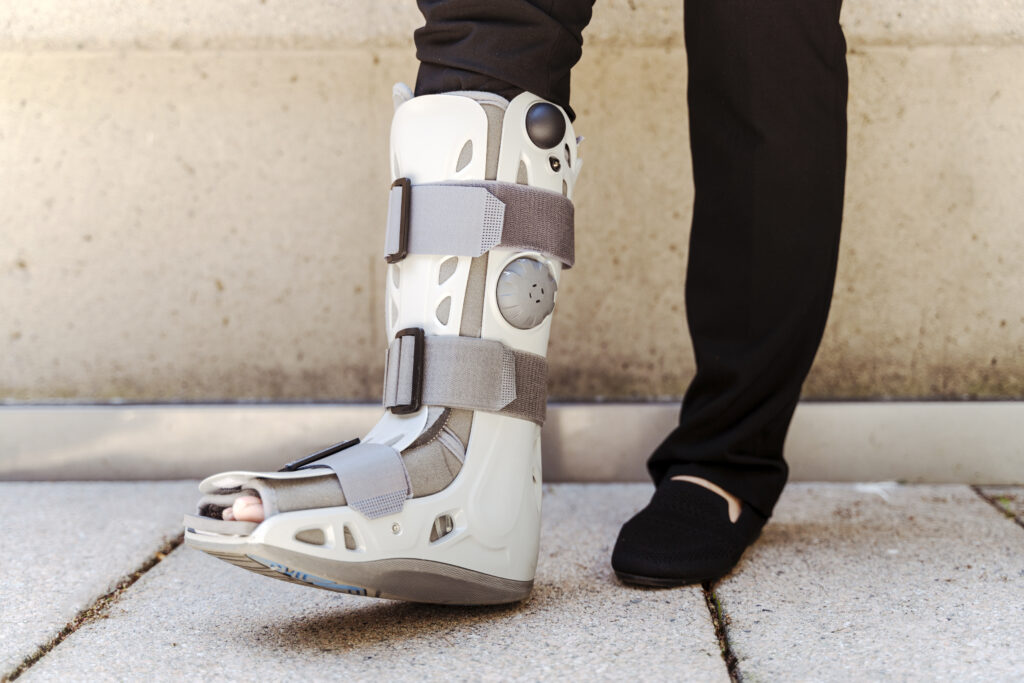
Walker boots, also known as walking boots, are modern orthopaedic devices used to provide support to injuries with some level of mobility. These boots are generally used to treat foot and ankle injuries.
When Are Walker Boots Used?
Walker boots are used to treat conditions such as:
- Foot and ankle fractures
- Ligament injuries
- Post-surgery recovery
- Severe sprains
Benefits of Walker Boots
These boots offer strong support with comfort.
They allow some level of mobility.
These boots can be removed for cleaning and physiotherapy (under the advice of a doctor).
These boots are beneficial to patients who need to move during recovery.
Cast, Splints, and Walker Boots – What’s the Difference?
Each of these devices provides different types of support to patients.
- Casts are used to provide maximum stability to patients with severe injuries.
- Splints are used to provide flexibility to patients with injuries.
- Walker boots are used to provide maximum mobility to patients with foot and ankle injuries.
These devices are chosen based on the type of injury, severity of the injury, swelling, and the condition of the patient.
How Doctors Choose the Right Option
Orthopedic experts consider various aspects before choosing the right treatment option for the injured individual. These aspects may include:
- Nature of the injury
- Severity of the fracture/sprain
- Presence of swelling
- Age of the injured individual
In some cases, the injured individual may need to wear a splint, followed by a cast or walker boot as the injury heals.
Tips for a Smooth Recovery
Regardless of the type of injury, the injured individual needs to follow the right care guidelines when using casts, splints, or walker boots. These care guidelines may include:
- Avoiding the injured area
- Keeping the casts/splints dry
- Adhering to the doctor’s advice
- Visiting the doctor regularly
Adhering to the doctor’s advice regarding the commencement of physiotherapy
With the right care, the injured individual is likely to recover quickly without suffering from various health complications.
Conclusion
Casts, splints, and walker boots are crucial aspects of modern orthopedic treatment, as they help the injured individual recover quickly from various injuries, including fractures, sprains, and surgical operations.
Therefore, if you are injured, it is crucial that you seek the services of an orthopedic specialist, who will help you choose the right treatment option that will help the injured individual recover quickly from the injury.