
How Intra-Articular Injections Help Relieve Joint Pain
Joint pain can significantly affect daily life, making simple activities like walking, climbing stairs, or lifting objects uncomfortable. Conditions such as arthritis, inflammation, or injuries can cause persistent joint pain that does not always respond to basic treatments like rest or medication. In such cases, modern medical solutions like intra-articular injections provide an effective and targeted way to relieve pain and improve joint function.
Intra-articular injections have become an important part of orthopedic treatment, offering relief for many patients without the need for major surgery.
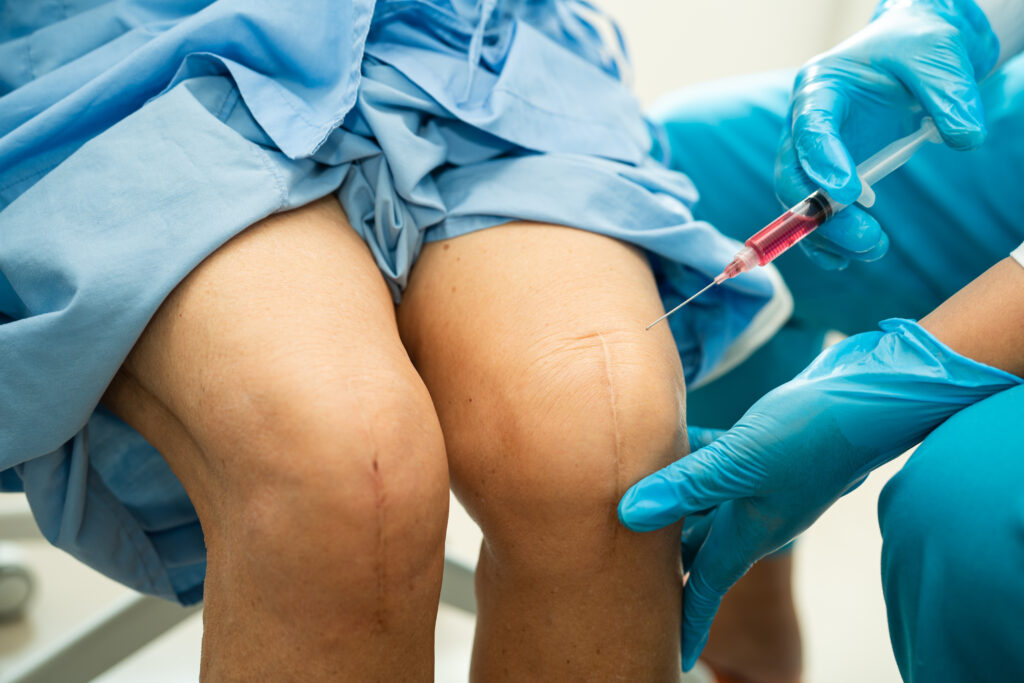
What Are Intra-Articular Injections?
Intra-articular injections involve delivering medication directly into a joint. The term “intra-articular” means inside the joint space, where the medication works directly on the affected area.
These injections are commonly used to reduce inflammation, relieve pain, and improve mobility in joints that are affected by injury or degenerative conditions. Because the medication is delivered directly to the problem area, it often provides faster and more effective relief compared to oral medications.
Conditions Treated with Intra-Articular Injections
Doctors often recommend intra-articular injections for several joint-related conditions, including:
- Osteoarthritis causing joint pain and stiffness
- Rheumatoid arthritis and inflammatory joint diseases
- Joint injuries resulting from sports or accidents
- Tendonitis or bursitis affecting nearby tissues
- Chronic joint inflammation that limits mobility
These injections are commonly used for joints such as the knee, shoulder, hip, ankle, and wrist.
Types of Intra-Articular Injections
Different types of medications may be used depending on the patient’s condition and severity of pain.
Corticosteroid Injections
Corticosteroid injections are widely used to reduce inflammation within the joint. They help decrease swelling and provide relief from pain caused by inflammatory conditions.
Hyaluronic Acid Injections
Hyaluronic acid injections help lubricate the joint and improve movement. They are often used in patients with knee osteoarthritis to enhance joint cushioning and reduce friction.
Platelet-Rich Plasma (PRP) Therapy
PRP injections use the patient’s own blood components to promote healing in damaged tissues. This regenerative therapy is increasingly used to support joint repair and recovery.
How the Procedure Works
Intra-articular injections are usually performed in a clinical setting and take only a short time to complete. The doctor carefully cleans the area and may use imaging guidance to ensure precise placement of the injection.
The medication is then delivered directly into the joint using a fine needle. Most patients experience minimal discomfort during the procedure.
After the injection, patients may be advised to rest the joint for a short period before gradually returning to normal activities.
Benefits of Intra-Articular Injections
These injections offer several advantages for patients experiencing joint pain.
Targeted Pain Relief
Since the medication is injected directly into the joint, it works precisely where the problem exists.
Reduced Inflammation
The treatment helps decrease swelling and irritation in the joint, leading to improved comfort.
Improved Mobility
By reducing pain and stiffness, patients often experience better joint movement and flexibility.
Non-Surgical Treatment Option
For many individuals, injections provide relief without the need for invasive surgical procedures.
Faster Recovery
Many patients notice improvement in symptoms within a short period after treatment.
Are Intra-Articular Injections Safe?
When performed by experienced medical professionals, these are generally considered safe. Doctors carefully evaluate each patient to determine whether the treatment is appropriate for their condition.
While mild soreness may occur temporarily after the injection, serious complications are uncommon.
When Should You Consider Joint Injections?
Joint injections may be recommended when:
- Joint pain persists despite medication or physiotherapy
- Inflammation significantly limits daily activities
- Non-surgical treatments have not provided adequate relief
- Surgery is not immediately necessary
An orthopedic specialist can assess the severity of the condition and determine the best treatment plan.
Supporting Joint Health After Treatment
While injections can provide significant pain relief, maintaining joint health is equally important. Doctors often recommend lifestyle changes such as:
- Regular low-impact exercise
- Strengthening surrounding muscles
- Maintaining a healthy body weight
- Following physiotherapy guidance
These steps help support long-term joint function and reduce the risk of recurring pain.
Conclusion
Intra-articular injections have become an effective solution for managing joint pain caused by arthritis, injuries, and other musculoskeletal conditions. By delivering medication directly into the joint, this treatment provides targeted relief, reduces inflammation, and improves mobility.
For many patients, these injections offer a valuable non-surgical option that helps restore comfort and maintain an active lifestyle. If joint pain continues to affect your daily activities, consulting an orthopedic specialist can help determine whether intra-articular injections are the right treatment option for you.